How Electronic Case Report Forms Strengthen Clinical Trial Data Management

Introduction
Clinical trial success depends on how well data is collected, reviewed, and managed. Every patient record, lab result, adverse event, treatment response, and follow-up outcome must be captured accurately for the study to produce reliable results. When clinical data is incomplete, delayed, or inconsistent, it can create more queries, slow down monitoring, delay database lock, and affect confidence in the final analysis. This is why the electronic case report form in clinical trials has become a core part of modern clinical trial data management.
A case report form in clinical trials is used to collect protocol-specific information for each participant. It helps study teams record the data required for safety review, efficacy evaluation, compliance, and statistical analysis. Traditionally, these forms were completed on paper, but paper-based data collection often created operational challenges. Missing fields, unclear handwriting, delayed review, repeated transcription, and difficult tracking made the process slower and more error-prone.
The electronic case report form solves many of these challenges by moving clinical trial data collection into a digital environment. Built within an Electronic Data Capture system, an eCRF allows research sites, sponsors, CROs, monitors, and data managers to capture and review study data in a more structured, accurate, and traceable way.
Moving Beyond Paper-Based Data Collection
Paper-based data collection may work for very small studies, but it becomes difficult to manage when trials involve multiple sites, frequent visits, complex endpoints, and large patient populations. In paper-based workflows, data often moves slowly from the site to the sponsor or CRO. Forms must be completed, checked, transferred, entered manually, reviewed, and queried if any issue is found.
This creates delays at every stage of the study. By the time a missing value or inconsistent entry is identified, the patient visit may have happened weeks earlier. Site teams then need to revisit source documents and respond to multiple follow-ups.
In eCRF clinical trials, data is entered directly into a centralized digital system. This helps study teams access information earlier, detect errors faster, and manage review workflows more efficiently.
Improving Data Accuracy at the Source
One of the most important advantages of an electronic case report form is that it helps improve data accuracy at the point of entry. Digital forms can include built-in checks that guide site users while they enter patient data.
For example, if a required field is left blank, the system can alert the user. If a date is outside the allowed visit window, the system can flag it. If a lab value is outside the expected range, the entry can be marked for review. These checks help reduce common errors before they move further into the data management process.
A well-designed case report form in clinical trials also makes data entry easier. Clear field labels, logical sections, dropdown options, standardized date formats, and conditional fields help site teams understand exactly what information is required. This reduces confusion and supports better consistency across the study.
Supporting Faster Data Review
Clinical trial timelines are often affected by slow data review and delayed query resolution. When data is collected on paper, sponsors and CROs may not see the information until much later. This limits their ability to identify issues early.
The electronic case report form in clinical trials helps solve this problem by making data available faster. Data managers and monitors can review information soon after it is entered. If there is a discrepancy, they can raise a query directly within the system. Site teams can respond, correct the data, and close the query through the same platform.
This creates a cleaner and more organized review process. Faster review supports better monitoring, smoother interim analysis, and more efficient database lock.
Creating Consistency Across Multiple Sites
Multisite clinical trials require strong standardization. If one site records information differently from another, it can create problems during data cleaning and analysis. A consistent case report form in clinical trials ensures that each site follows the same structure and data entry rules.
With eCRFs, sponsors and CROs can define field formats, response options, visit schedules, validation rules, and required data points before the study begins. This helps create a common framework for all participating sites.
In eCRF clinical trials, standardized data capture is especially useful for key endpoints, eligibility criteria, adverse events, concomitant medications, and lab values. Consistent data collection improves data quality and makes downstream analysis more reliable.
Strengthening Trial Oversight
Sponsors and CROs need clear visibility into clinical trial progress. They need to know whether sites are entering data on time, whether forms are complete, whether safety data is missing, and whether queries are being resolved.
An electronic case report form gives study teams better visibility into these activities. Dashboards and reports can show form completion, missing data, open queries, site performance, visit status, and key data trends.
This visibility supports better oversight and faster decision-making. If a site is falling behind, the study team can provide support. If a data issue appears repeatedly, it can be addressed through training or form updates. If safety-related data is incomplete, it can be prioritized for immediate review.
Supporting Compliance and Data Integrity
Clinical trial data must be accurate, complete, traceable, and inspection-ready. Regulatory authorities expect sponsors to maintain strong controls over how data is collected, changed, reviewed, and approved.
The electronic case report form in clinical trials supports these expectations through audit trails, timestamps, role-based permissions, electronic signatures, and controlled access. Every data change can be tracked, including who made the change, when it was made, and why it was made.
This level of traceability is difficult to maintain with paper forms. A paper-based case report form in clinical trials may include unclear corrections, missing pages, or incomplete documentation. eCRFs help reduce these risks by creating a clear digital record of trial data activity.
Reducing Manual Workload
Clinical trial teams manage many responsibilities, including patient visits, source documentation, safety reporting, monitoring, data review, and query response. Manual data collection adds more work to already busy teams.
An electronic case report form helps reduce this workload by making data entry more guided and structured. Built-in checks reduce avoidable mistakes, automated workflows simplify query management, and centralized access reduces dependency on manual updates.
For site teams, this means fewer repeated corrections. For data managers, it means cleaner data and fewer avoidable queries. For sponsors and CROs, it means better control over study progress and data quality.
The Role of Electronic Data Capture
Electronic Data Capture systems provide the digital foundation for eCRF management. They allow clinical teams to design forms, configure edit checks, manage user access, raise and resolve queries, track study progress, and prepare data for analysis.
When an electronic case report form is built within a strong Electronic Data Capture platform, trial teams can manage clinical data more efficiently. The system helps connect protocol requirements with structured patient-level data, making the trial easier to monitor, review, and close.
Preparing for the Future of Clinical Research
Clinical trials are becoming more digital, decentralized, and data-rich. Studies now collect information from labs, imaging systems, patient-reported outcomes, wearable devices, safety databases, and remote monitoring tools. As the number of data sources grows, structured data collection becomes even more important.
The electronic case report form in clinical trials remains central to this process because it provides the structure needed to collect and manage patient data consistently. It helps ensure that the right data is captured at the right time and reviewed by the right teams.
AI and automation are also becoming more common in clinical data management. These technologies can help detect unusual patterns, suggest queries, identify missing data, and support faster review. However, their value depends on the quality of the data foundation. A well-designed case report form in clinical trials is still essential for reliable results.
Conclusion
The electronic case report form has become a vital tool for strengthening clinical trial data management. It improves accuracy, speeds up review, supports compliance, reduces manual work, and gives study teams better visibility across sites and patients.
For sponsors, CROs, and research sites, eCRF clinical trials provide a more efficient and reliable way to manage study data. When supported by a strong Electronic Data Capture system, eCRFs help clinical teams collect cleaner data, reduce delays, and deliver more trustworthy clinical trial outcomes.
الأقسام
إقرأ المزيد
Introduction In an increasingly digital world, organizations face growing threats related to data breaches, cyberattacks, and information security risks. Protecting sensitive information has become a top priority for businesses across all sectors, including finance, healthcare, technology, government, and manufacturing. To address these challenges, many organizations implement Information...

A severe toothache can make even the simplest daily activities uncomfortable. Eating, speaking, and sleeping may become difficult when an infection reaches the inside of a tooth. Fortunately, Root canal treatment in Islamabad Pakistan is an advanced dental procedure that removes infection while preserving the natural tooth. Instead of extracting the damaged tooth, dentists clean and seal the...

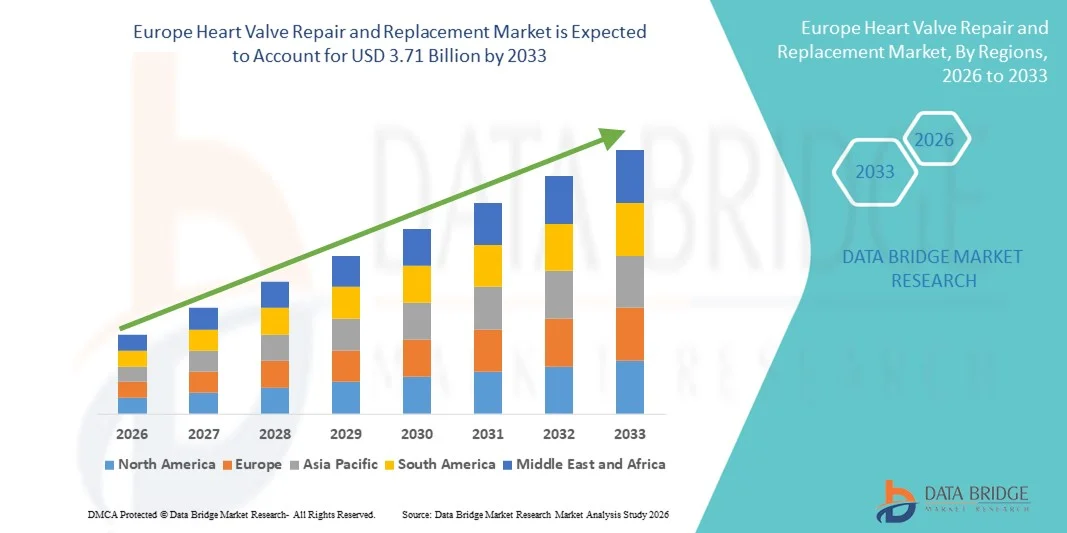
According to the latest report published by Data Bridge Market Research, the Europe Heart Valve Repair and Replacement Market The Europe heart valve repair and replacement market size was valued at USD 1.50 billion in 2025 and is expected to reach USD 3.71 billion by 2033, at a CAGR of 12.0% during the forecast period The market growth is largely driven...
在數位浪潮席捲全球的今日,線上娛樂產業正以前所未有的速度蓬勃發展。對於追求高品質休閒生活的香港玩家而言,選擇一個既能提供豐富遊戲內容,又能確保公平與安全的平台,已成為享受娛樂時光的重要前提。在眾多選項之中,YY Game 逐漸嶄露頭角,成為眾多玩家與業內人士關注的焦點。這個平台不僅僅是一個遊戲集合體,更是一個精心打造的數位娛樂生態系統,旨在為用戶帶來穩定、安全且充滿樂趣的線上體驗。 YY Game 的魅力,首先在於其對遊戲多元性的極致追求。平台深知每位玩家的喜好各不相同,因此致力於建構一個包羅萬象的遊戲庫。從考驗策略思維的深度棋牌,到節奏明快、刺激感官的電子老虎機,再到模擬真實賭場氛圍的真人即時對戰,YY...

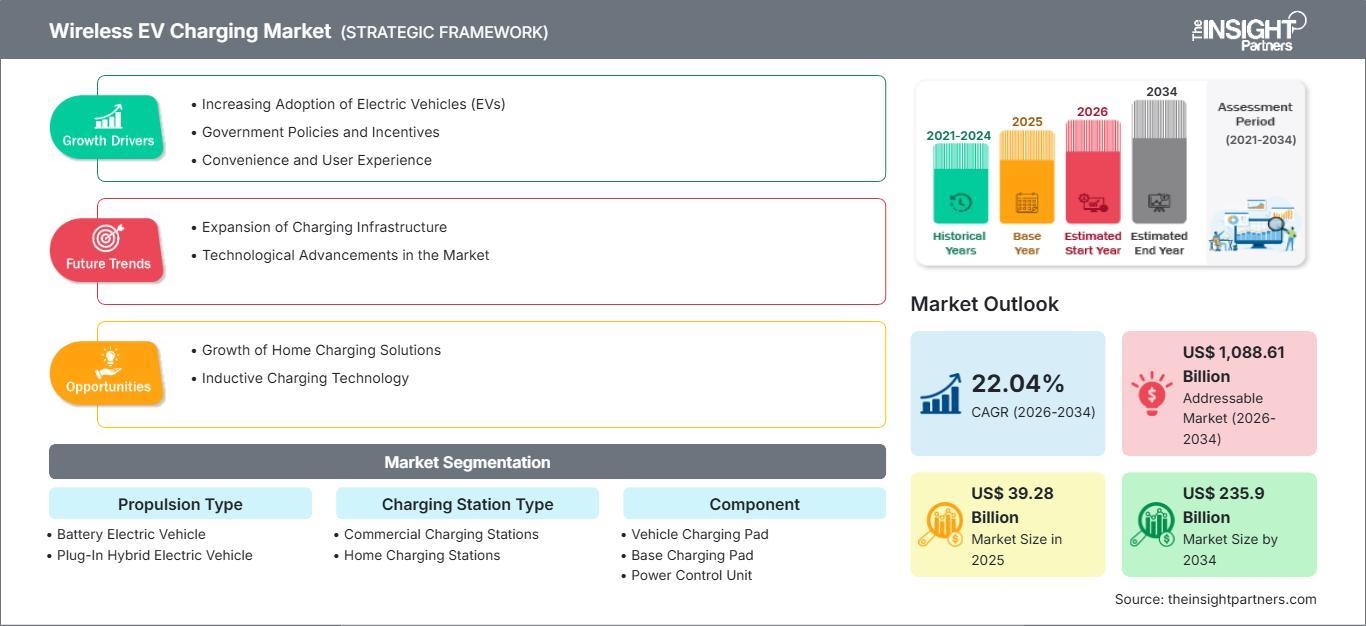
The global wireless EV charging market is experiencing remarkable growth as the automotive industry transitions toward advanced electric mobility solutions. Wireless EV charging technology enables electric vehicles to recharge without physical cables or connectors, offering greater convenience, improved user experience, and enhanced charging efficiency. As governments, automakers, and...