


Understanding the Recovery Process at Nasha Mukti Kendra in Punjab

Introduction
If you are reading this, there is a good chance that someone you love is suffering and that you have already spent hours searching and calling around the clock trying to find reliable information and resources. To put it politely, it can be disheartening and, even with all the support from family members close by, lonely.
The truth is, Punjab has no shortage of rehab centers specializing in treating drug addictions. What it does have a shortage of is honest information on what treatments are available and which of those are effective. Aasha in Punjab can be found both in government hospitals as separate wings and as private and residential facilities. The difference between these two can be enormous, and most families who are unfamiliar with the addiction treatment process will need weeks, maybe even months, to understand the difference.
What this guide aims to do is give you an all-encompassing view of the addiction treatment process in Punjab, as well as equip you with knowledge for asking the right questions and having realistic expectations during your child’s rehabilitation journey.
Understanding Punjab's De-Addiction Landscape
Punjab has one of the highest rates of substance dependency in India, driven largely by opioid and synthetic drug use that spread through border districts over the last two decades. The state government has responded with a network of facilities, but the quality and approach vary widely from district to district.
A nasha mukti kendra is, at its core, a de-addiction center — a facility offering medical detoxification, counseling, and structured rehabilitation for people dependent on alcohol, opioids, or other substances. Some are run by the Punjab government under its de-addiction and rehabilitation program. Others are private, ranging from small community-run setups to larger facilities like established de-addiction centers in Punjab that combine medical supervision with longer-term psychological support.
What most articles on this topic miss is that detox and rehabilitation are two very different stages, and a center that's excellent at one isn't always equipped for the other. Detox manages the physical withdrawal — typically the first 5 to 10 days. Rehabilitation is the much longer process of addressing why the addiction took hold in the first place, and that part can take months, not days.
What Actually Happens Inside a Treatment Program?
So what should you expect once someone is admitted? It's not as clinical or frightening as people imagine, but it's also not quick.
Medical detoxification comes first. This is where withdrawal symptoms are managed under medical supervision — sometimes with medication to ease the physical strain, always with monitoring for complications. This stage alone is why self-detox at home is genuinely dangerous for substances like alcohol and opioids; withdrawal can trigger seizures or cardiac issues that need a doctor present, not just willpower.
Counseling and therapy typically begin once the person is medically stable. This usually includes:
-
One-on-one counseling to address underlying triggers
-
Group therapy sessions with peers in similar stages of recovery
-
Family counseling, since addiction rarely affects just one person
-
Relapse-prevention planning for the months after discharge
Skill-building and structure round out most programs — daily routines, sometimes vocational activities, and a slow reintroduction of responsibility and independence.
It's not easy to watch someone you love go through this. There will be days they're angry at you for bringing them in. That's a known part of early recovery, not a sign you made the wrong call.
How to Choose the Right Center for Your Family
Not every facility calling itself a nasha mukti kendra in Punjab operates to the same standard, and this is where families need to be the most careful.
What should you look for?
A genuinely capable center should have a licensed medical officer on staff, not just counselors. It should be registered under the relevant state or central mental health and de-addiction regulations. And it should be willing to explain its treatment plan to you clearly — if a facility is vague about methods or won't let you speak to the medical team, treat that as a warning sign.
What are the red flags to avoid?
Be cautious of centers that promise guaranteed, permanent cures in a fixed number of days — addiction recovery doesn't work on a strict timeline, and anyone claiming otherwise is overselling. Also watch for facilities that rely heavily on isolation or punishment-based "discipline" instead of medical and psychological care. Real treatment is structured, not punitive.
Cost is another factor that families underestimate. Government-run centers are often free or low-cost but may have waitlists. Private centers cost more but typically offer faster admission and more individualized attention. Neither option is automatically "better" — it depends on the severity of the addiction and what kind of support the family can realistically sustain.
Frequently Asked Questions
What is a nasha mukti kendra?
A nasha mukti kendra is a de-addiction center that treats substance dependency through medical detox, counseling, and structured rehabilitation. The term is Hindi/Punjabi for "addiction-free center" and refers to both government and private treatment facilities.
How do I choose a good nasha mukti kendra in Punjab?
Look for proper medical licensing, a qualified clinical and counseling team, transparency about treatment methods, and a program that includes family counseling. Avoid centers promising fixed, guaranteed cures or relying mainly on isolation.
Can families visit during treatment?
Most reputable centers include structured family visits or family therapy sessions as part of the program, since family involvement is strongly linked to better long-term recovery outcomes.
A Final Word
No version of this is easy. Choosing a nasha mukti kendra in Punjab for someone you love means sitting with fear, guilt, and hope all at once, often on the same day. What helps is knowing that recovery is a process, not a single decision — and that asking the right questions now, about licensing, treatment approach, and aftercare, puts your family in a much stronger position than rushing into the first option you find.
Healing rarely moves in a straight line. But with the right support structure around it, it does move.
Nach Verein filtern
Read More
IPL 2026 Live Score Why Real Time Updates Matter More Than Ever During the IPL season, fans do not want to wait for highlights they want everything instantly. That is why IPL 2026 Live score has become one of the most searched terms this year. Every ball changes the match. A quick wicket, a six in the final over, or a sudden batting collapse can completely shift the result. Watching the...
The demand for skilled content writers has grown rapidly as businesses, startups, and digital brands continue to expand their online presence. Whether it's a website, blog, email campaign, or social media post, quality content helps organizations connect with their audience and improve visibility in search engines. If you want to develop a future-ready skill, enrolling in a Content Writing...

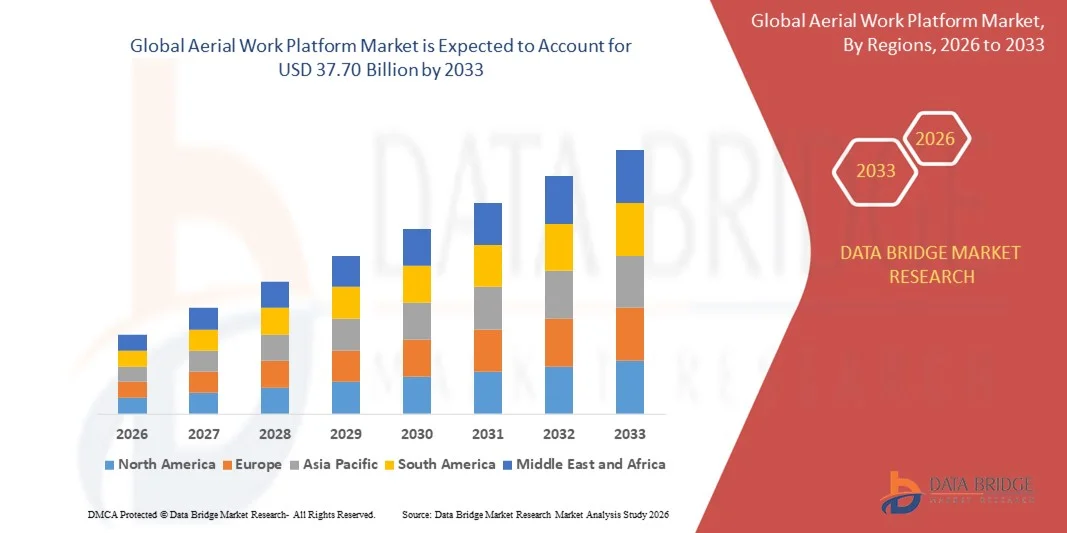
According to the latest report published by Data Bridge Market Research, the Aerial Work Platform Market The global aerial work platform market size was valued at USD 21.53 billion in 2025 and is expected to reach USD 37.70 billion by 2033, at a CAGR of 7.25% during the forecast period The market growth is largely fuelled by the increasing demand for...
Get in touch with BellSouth customer service with ease. This guide outlines all contact options, including the direct number +1–830–272–7656 / (800) 288–2020 (toll-free) for prompt assistance with your email account or technical questions. Learn different ways to reach BellSouth customer service by phone, email, chat, or social media. Find the main hotline number,...
“Exactitude Consultancy: Defining the Standards of Your Success” Global acrylic emulsions market analysis. Explore shifting demand toward low-VOC water-based coatings, pure acrylic polymers, and key industrial chemical manufacturers. The global acrylic emulsions market is estimated to expand from USD 10.3 Billion in 2026 to USD 15.3 Billion by 2033, exhibiting a CAGR of...
