


Sleeping Pad Guide: Comfort While Camping

A lot of campers focus so much on their sleeping bag that they forget about what's underneath them. Your sleeping pad plays a bigger role in your comfort and warmth than most people realize, since it's what stands between you and the cold, hard ground. This guide breaks down everything you need to know to choose a sleeping pad that actually helps you get a good night's rest outdoors. Camping gear
Types of Sleeping Pads Compared
There are three main types of sleeping pads on the market today. Foam pads are the simplest option, offering reliable insulation and durability at a low cost, though they're bulkier to carry. Self-inflating pads combine foam and air for a good balance of comfort and packability, making them popular with a wide range of campers. Air pads are the lightest and most compact option, packing down small, but they require manual inflation and can be more prone to punctures if you're not careful with ground conditions.
Choosing Sleeping Pad Insulation Ratings
Sleeping pads are rated using something called an R-value, which measures how well the pad insulates against cold ground. Higher R-values mean better insulation, which matters a lot more than people expect, since the ground can pull heat away from your body faster than cold air alone. For summer camping, an R-value of 2 to 3 is usually enough. For colder conditions or shoulder season camping, look for pads with an R-value of 4 or higher to stay properly insulated overnight.
Inflatable vs Foam Sleeping Pads
Inflatable pads tend to offer more cushioning and comfort, which makes them a favorite for side sleepers or anyone who struggles to sleep on firm surfaces. However, they require some effort to inflate each night and carry a small risk of punctures from sharp rocks or sticks. Foam pads are virtually indestructible and require zero setup, just roll them out and you're ready to sleep. They don't offer quite the same plush comfort, but many campers appreciate the reliability and simplicity foam pads provide.
Sleeping Pad Size and Weight Tips
Sleeping pads come in various lengths and widths, so it's worth considering your own height and sleeping habits. A regular length pad usually works for most people, but taller campers should look at long or extended sizing options to avoid feet hanging off the edge. If you tend to move around a lot in your sleep, a wider pad can help prevent you from rolling off during the night. Weight matters most for backpackers, so check the packed size and weight before buying if you're carrying it any real distance.
How to Patch a Sleeping Pad
Punctures happen, even to careful campers, so knowing how to patch a sleeping pad is a handy skill. Most inflatable pads come with a small repair kit including patches and adhesive. To find a leak, inflate the pad and listen closely, or submerge it in water if you're at home and watch for bubbles. Clean and dry the area around the puncture before applying the patch, and let it cure fully before reinflating. Keeping a small repair kit in your pack means you're never stuck with a flat pad mid-trip.
Sleeping Pad Storage and Care
Storing your sleeping pad properly extends its usable life significantly. Avoid leaving inflatable pads fully inflated for long term storage, since this can put unnecessary stress on the seams. Instead, store them loosely rolled or flat in a dry area away from direct sunlight. Clean off any dirt or debris after trips using a damp cloth, and make sure the pad is completely dry before packing it away to avoid mold or mildew buildup over time.
Layering Sleeping Pads for Extra Warmth
On especially cold trips, layering two sleeping pads together can make a real difference. Placing a foam pad underneath an inflatable pad combines the insulation benefits of foam with the comfort of air, giving you a warmer and more comfortable setup overall. This trick is popular among winter campers and anyone heading into colder shoulder season conditions where a single pad might not provide enough insulation on its own.
https://www.travelosei.com/hello-india/best-camping-gear-for-beginners
FAQs
What R-value do I need for winter camping?
For winter or very cold conditions, look for a sleeping pad with an R-value of 5 or higher. This provides enough insulation to keep the cold ground from pulling away your body heat overnight.
Can I use a regular air mattress for camping?
While it's possible for car camping geartrips, standard air mattresses lack proper insulation and can leave you feeling cold, even indoors during camping gearseason. A dedicated sleeping pad is usually a better choice.
How do I know if my sleeping pad has a leak?
If you notice it going flat during the night or feels less firm than usual in the morning, it likely has a slow leak. Submerging it in water at home is the easiest way to spot the exact location.
Κατηγορίες
Διαβάζω περισσότερα
Long days in New York can leave anyone feeling drained. At Garden Retreat Spa, we provide Nomad Massage New York treatments to help restore your energy and relieve stress. Our team uses a combination of gentle and targeted techniques that ease tension and improve circulation. Whether it’s your first visit or a regular escape, we make sure each session leaves you feeling lighter and...

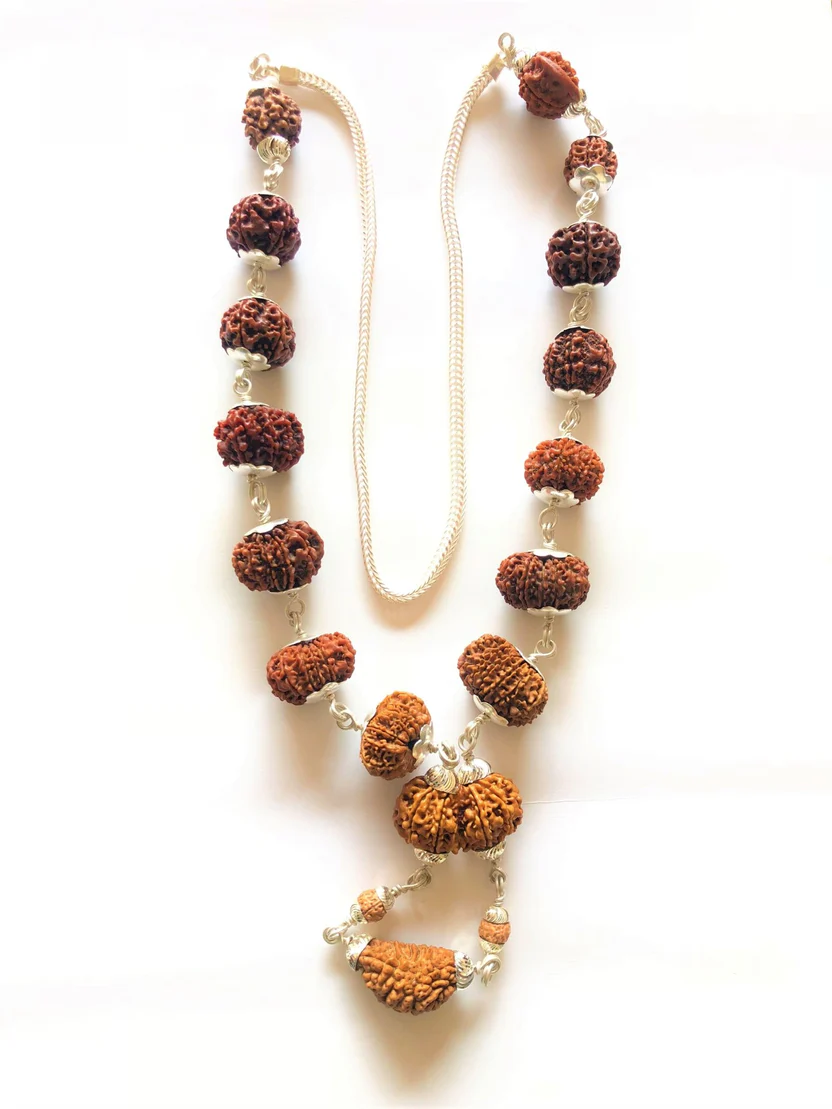
The popularity of authentic Rudraksha products has grown significantly as more people embrace meditation, yoga, and traditional spiritual practices. Among the most sought-after collections is the 1–14 Mukhi Nepali Kantha, which combines naturally occurring Rudraksha beads from one mukhi to fourteen mukhi into a single sacred Kantha. If you're planning to buy 1–14 Mukhi Nepali Kantha...
Executive Summary Guitar Pedals Market Research: Share and Size Intelligence The global guitar pedals market size was valued at USD 5.62 billion in 2024 and is expected to reach USD 7.46 billion by 2032, at a CAGR of 3.60% during the forecast period. Market research studies stated in this Guitar Pedals Market report are very thoughtful for the...
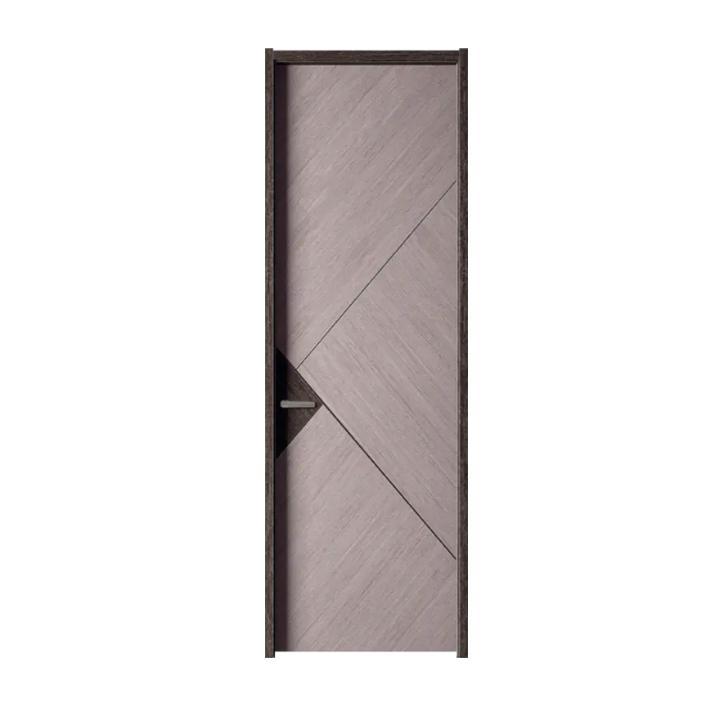
An MDF PVC Door has become a common choice for residential and commercial interiors due to its combination of durability, versatility, and aesthetic appeal. This type of door integrates Medium-Density Fiberboard (MDF) with a PVC coating, offering a practical solution for environments where moisture resistance, ease of maintenance, and design flexibility are important. By choosing an MDF...
The security camera is becoming a powerful computer on the edge. The Bullet Security Camera Market Trends emerging today point towards a future of intelligent, privacy-aware, and highly integrated surveillance systems. Driven by AI, cloud computing, and regulatory pressures, bullet cameras are evolving from passive video recorders into active, data-generating sensors for the smart...