Depression Therapist Guide for Better Mental Health

Mental health is just as important as physical health, yet many people delay getting help because they are unsure where to begin. Feelings of sadness, hopelessness, or emotional exhaustion that last for weeks or months may be signs of depression rather than temporary stress. Seeking professional guidance early can make a significant difference in recovery.
A qualified depression therapist helps individuals understand their emotions, identify unhealthy thought patterns, and develop healthier coping strategies. In some situations, treatment may also include support from an online psychiatrist when medication or a medical evaluation is needed.
This guide explains how therapy works, when to seek help, and what to expect during treatment so you can make informed decisions about your mental well-being.
What Does a Depression Therapist Do?
A depression therapist is a licensed mental health professional trained to help people manage symptoms of depression through evidence-based counseling techniques. Therapy focuses on understanding the causes of emotional distress while teaching practical skills to improve daily life.
Rather than simply discussing problems, therapy provides structured approaches that help people recognize negative thinking patterns, improve relationships, build confidence, and develop healthier emotional responses.
The goal is not only to reduce symptoms but also to improve long-term emotional resilience.
Signs You May Benefit From Therapy
Many people wonder whether their feelings are serious enough to seek professional help. If emotional challenges begin interfering with work, school, relationships, or daily responsibilities, therapy may be beneficial.
Common signs include:
- Persistent sadness or emptiness
- Loss of interest in activities once enjoyed
- Difficulty concentrating
- Changes in sleep patterns
- Appetite changes
- Low energy throughout the day
- Feelings of guilt or worthlessness
- Increased irritability
- Social withdrawal
- Trouble managing stress
Seeking help early often leads to better outcomes before symptoms become more severe.
How Therapy Helps With Depression
Therapy provides a safe, confidential environment where individuals can openly discuss their emotions without judgment.
A therapist helps clients:
- Identify emotional triggers
- Understand unhealthy thinking habits
- Learn positive coping skills
- Improve communication
- Build confidence
- Set realistic goals
- Develop healthy routines
- Reduce anxiety alongside depression
Over time, these strategies help improve emotional balance and overall quality of life.
Different Types of Therapy for Depression
There is no single treatment that works for everyone. Mental health professionals choose approaches based on each person's needs.
Cognitive Behavioral Therapy (CBT)
CBT is one of the most effective treatments for depression. It teaches people how thoughts influence emotions and behaviors while replacing negative thinking with healthier patterns.
Interpersonal Therapy
This approach focuses on improving relationships, communication skills, and resolving conflicts that may contribute to depression.
Mindfulness-Based Therapy
Mindfulness techniques encourage individuals to stay present, reduce overthinking, and better manage emotional distress.
Behavioral Activation
Behavioral activation helps individuals gradually return to meaningful daily activities that improve mood and reduce isolation.
When an Online Psychiatrist May Be Helpful
While therapy is highly effective, some individuals benefit from additional medical support. An online psychiatrist is a licensed physician specializing in mental health who can evaluate symptoms, diagnose conditions, and prescribe medication when appropriate.
Virtual psychiatric appointments have become a convenient option for people who prefer receiving care from home or have limited access to local providers.
An online psychiatrist may help with:
- Depression diagnosis
- Medication management
- Anxiety disorders
- Panic attacks
- Bipolar disorder evaluations
- Sleep-related concerns
- Treatment monitoring
In many cases, therapy combined with psychiatric care offers the best overall results.
Therapy and Medication Can Work Together
Some people improve through therapy alone, while others experience greater progress with both counseling and medication.
A therapist focuses on emotional healing and practical coping strategies, while a psychiatrist evaluates whether medication may help balance symptoms.
Treatment plans are always personalized based on individual needs, symptom severity, medical history, and personal preferences.
What Happens During the First Therapy Session?
Many people feel nervous before their first appointment, but the initial session is primarily an opportunity to get to know your therapist.
You may discuss:
- Current symptoms
- Personal history
- Family background
- Major life events
- Treatment goals
- Emotional challenges
- Lifestyle habits
The therapist will ask questions to better understand your situation and recommend an appropriate treatment plan.
Benefits of Online Mental Health Care
Virtual mental health services have made professional support more accessible than ever.
Benefits include:
- Greater scheduling flexibility
- No travel time
- Increased privacy
- Comfortable home environment
- Easier access for rural communities
- Continued care during busy schedules
Many individuals find online therapy and psychiatric services just as effective as in-person care for managing depression.
Lifestyle Habits That Support Recovery
Professional treatment works even better when combined with healthy daily habits.
Helpful lifestyle practices include:
- Maintaining regular sleep routines
- Exercising consistently
- Eating balanced meals
- Limiting alcohol consumption
- Spending time outdoors
- Practicing relaxation techniques
- Staying socially connected
- Setting achievable daily goals
Small, consistent improvements often create lasting positive changes over time.
How to Choose the Right Mental Health Professional
Finding the right provider is an important part of successful treatment.
Consider looking for professionals who have:
- Experience treating depression
- Appropriate licensing and credentials
- Strong communication skills
- Evidence-based treatment methods
- Flexible scheduling options
- Positive patient feedback
- A treatment style that matches your comfort level
A good therapeutic relationship can significantly influence treatment success.
Common Misconceptions About Depression Treatment
Some people avoid therapy because they believe they should solve problems on their own. Others worry that asking for help is a sign of weakness.
In reality, seeking treatment demonstrates self-awareness and a commitment to improving overall health.
Modern mental health care focuses on practical solutions, emotional growth, and long-term wellness rather than simply discussing problems.
Everyone deserves access to compassionate, professional support when facing emotional challenges.
Final Thoughts
Depression can affect every aspect of life, but effective treatment is available. Working with a depression therapist helps individuals understand their emotions, develop healthier coping strategies, and regain confidence in daily life. For those who may also benefit from medical evaluation or medication, an online psychiatrist can provide convenient, professional care as part of a personalized treatment plan.
Taking the first step toward professional support is often the beginning of meaningful, lasting recovery. With the right guidance, consistent care, and healthy lifestyle choices, many people successfully manage depression and enjoy a healthier, more balanced life.

Categorias
Leia mais
If you think becoming a fitness trainer is only about lifting heavy weights and shouting “one more rep,” think again. The real power of a trainer lies in knowledge. Great trainers understand how the human body grows, adapts, heals, and transforms. They know how nutrition changes from childhood to old age. They understand recovery, hormones, metabolism, and even psychology. And that...

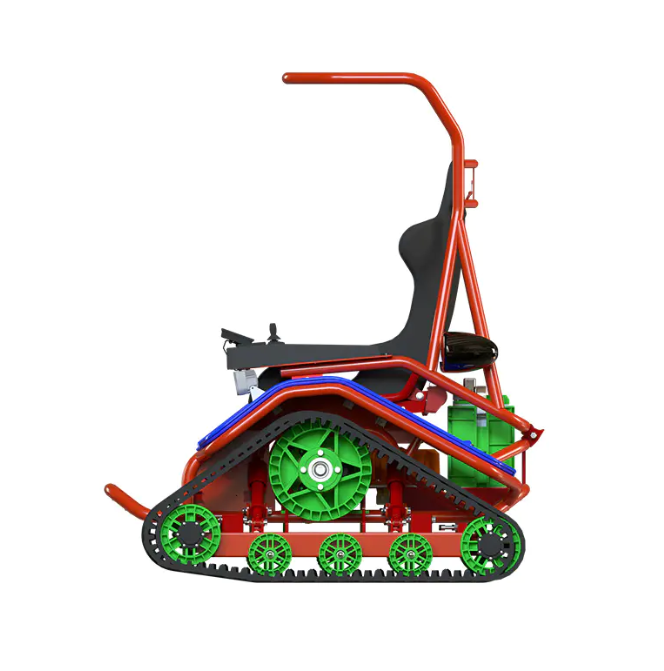
A Leisure Track Vehicle is designed to support recreational travel across surfaces where standard wheeled vehicles may face limitations. Commonly used for outdoor exploration, sightseeing, and light-duty transport, this type of vehicle combines tracked mobility with user-focused operation. Its structure allows it to move steadily over sand, snow, grass, or uneven ground, making it suitable...
Lead Generation Techniques That Actually Work Lead generation is the lifeblood of every successful business. No matter how great your products or services are, consistent growth becomes difficult without a steady stream of potential customers. In today’s competitive digital landscape, businesses need effective lead generation strategies that not only attract attention but also convert...

Introduction: Effortless Style Starts Here Getting dressed shouldn’t feel complicated. The best outfits often come from simple, well-designed pieces. Ovo T-shirts make styling easy by offering clean designs that work in almost any situation. ovoofficial.com Why Ovo T-shirts Simplify Fashion Easy to Wear, Easy to Style Ovo T-shirts take the guesswork out of fashion. You can throw one on...

"Executive Summary Motor Yatch Market: Share, Size & Strategic Insights The global motor yatch market size was valued at USD 9.90 billion in 2024 and is expected to reach USD 22.18 billion by 2032, at a CAGR of 10.60% during the forecast period The comprehensive Motor Yatch Market report is an insightful and actionable market report which is always...