Shopify Mobile App Builder Alternatives: The Best Platforms to Build a High-Converting Ecommerce App in 2026

With mobile shopping accounting for the majority of ecommerce traffic, having a dedicated mobile application is no longer just an advantage—it's a strategic investment. Shopify has made it easier than ever to launch an online store, but merchants looking to maximize customer engagement often turn to mobile apps to deliver faster performance, personalized shopping experiences, and seamless checkout journeys.
While numerous Shopify mobile app builders are available, not every solution offers the same level of flexibility, customization, pricing, or scalability. As businesses grow, their mobile commerce requirements evolve, prompting many merchants to search for Shopify mobile app builder alternatives that better align with their long-term goals.
Whether you're launching your first mobile app or replacing your current platform, choosing the right solution can improve customer retention, increase repeat purchases, and strengthen your brand's presence in an increasingly competitive market.
This guide explores the best Shopify mobile app builder alternatives, highlights their standout features, compares their strengths, and provides practical tips to help you make an informed decision.
Why Consider a Shopify Mobile App Builder Alternative?
The mobile app you choose should support your business today while also preparing you for future growth. Although many app builders provide the basic tools required to launch an application, they may fall short when it comes to customization, marketing features, integrations, or affordability.
Here are some of the most common reasons Shopify merchants explore alternative platforms.
Greater Design Flexibility
Your mobile app should reflect your brand's identity rather than relying on generic layouts. Many alternative app builders offer fully customizable themes, drag-and-drop editors, and flexible design components that allow merchants to create a unique shopping experience without writing code.
A visually appealing app not only strengthens your brand image but also encourages customers to spend more time browsing products and completing purchases.
Better Pricing for Growing Businesses
Cost is another major factor when evaluating app builders. Some platforms require expensive monthly subscriptions or charge extra for advanced features like push notifications, premium themes, or integrations.
Choosing a platform with transparent pricing allows businesses to access essential tools while maintaining a healthy return on investment.
Faster App Performance
Speed plays an important role in mobile commerce. Customers expect apps to open instantly, navigate smoothly, and load products without delays.
An optimized mobile app improves user satisfaction, reduces bounce rates, and contributes to higher conversion rates.
More Powerful Marketing Features
Successful ecommerce brands rely on more than just attractive storefronts. Modern mobile apps should include marketing capabilities that help merchants retain customers and encourage repeat purchases.
Popular engagement features include:
- Unlimited push notifications
- Personalized product recommendations
- Loyalty and rewards programs
- Abandoned cart recovery
- Wishlist functionality
- Referral campaigns
- Promotional banners
- In-app messaging
These tools help businesses build stronger customer relationships while increasing lifetime value.
Easier Store Management
Managing a mobile application should be as simple as managing your Shopify store. The best platforms provide intuitive dashboards that allow merchants to update products, banners, collections, and promotional campaigns without requiring technical expertise.
Key Features to Look for in a Shopify Mobile App Builder
Before comparing different platforms, it's important to understand which features have the greatest impact on your business.
No-Code App Development
A visual drag-and-drop editor enables merchants to build professional mobile applications without hiring developers or learning programming languages.
Real-Time Shopify Synchronization
Automatic synchronization ensures products, inventory, orders, customer accounts, and collections remain consistent across both your Shopify store and mobile application.
Native Android and iOS Apps
Native applications generally provide better performance, smoother navigation, and access to device-specific features compared to web-based alternatives.
Push Notifications
Push notifications remain one of the most effective marketing channels for ecommerce brands. They allow businesses to announce product launches, flash sales, exclusive discounts, and order updates directly to customers' devices.
Customizable Themes
Every brand has its own visual identity. Choose a platform that allows you to customize colors, fonts, layouts, navigation menus, homepages, and promotional banners.
Secure Checkout Experience
An app should integrate seamlessly with Shopify Checkout to provide customers with a secure and frictionless purchasing experience.
Third-Party Integrations
Compatibility with popular ecommerce tools such as Klaviyo, Judge.me, Yotpo, Recharge, LoyaltyLion, Google Analytics, Meta Pixel, and Gorgias helps merchants create a connected marketing ecosystem.
Catégories
Lire la suite
The global industrial waste management market is witnessing strong expansion as industries worldwide face increasing pressure to manage waste responsibly and comply with stringent environmental regulations. Valued at approximately USD 791.14 billion in 2020, the market is projected to exceed USD 2.3 trillion by 2031, expanding at a robust compound annual growth rate...

NEWARK, DE, United States - April 4, 2026 — The global collagen supplement market is entering a steady growth phase as consumer demand for beauty-from-within nutrition, sports recovery solutions, and preventive healthcare supplementation continues to expand. According to industry analysis, the market is projected to grow from USD 1.92 billion in 2026 to USD 3.56 billion by 2036,...

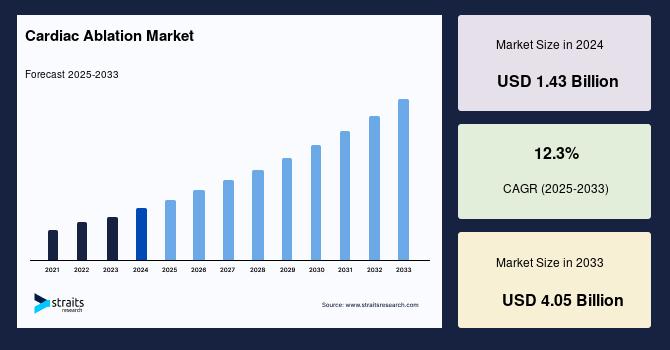
Cardiac Ablation Industry Insights: Straits Research recently introduced the latest update on the Cardiac Ablation Market that provides an extensive outlook of the market, analyzing key growth opportunities, challenges, risk factors, and emerging trends across diverse geographic regions. The report offers a definitive and meticulous analysis of the Cardiac Ablation industry size,...
The global Reptile Food Market is experiencing steady growth as reptile ownership continues to rise worldwide. Reptiles such as turtles, snakes, lizards, geckos, and iguanas are increasingly being adopted as companion animals, creating strong demand for specialized nutrition products. Manufacturers are focusing on...

Thrilling Turn of Events In M. Night Shyamalan's latest thriller, a predator becomes prey in an unexpected turn of events. The narrative follows a notorious criminal who unwittingly walks into an elaborate FBI operation disguised as a massive pop concert in Philadelphia. The unsuspecting antagonist believes he's merely attending the highly anticipated Lady Raven performance alongside thousands...