Pharmaceutical Consulting Meets Sales Consulting for Real Growth

Life sciences companies operate in one of the most heavily regulated, scientifically demanding markets in the world. A therapy that took a decade and billions of dollars to develop can still fail commercially if the launch plan misses how physicians actually prescribe, how payers actually reimburse, or how field teams actually sell. That gap between scientific merit and commercial execution is exactly why so many pharma and biotech leaders bring in outside expertise before a launch, a reorganization, or an entry into a new market. Pharmaceutical consulting exists to close that gap, pairing therapeutic area knowledge with commercial discipline so that good science actually reaches the patients and prescribers who need it.
Why Internal Teams Reach Their Limits
Most pharma and biotech organizations are built around research, development, and regulatory milestones. Commercial functions often scale later, and sometimes hastily, once a molecule clears late-stage trials. That timing mismatch means internal teams frequently lack the bandwidth or the specialized experience to build a launch model from scratch, especially across multiple markets with different payer systems, prescribing habits, and competitive dynamics. Bringing in an outside firm is rarely about a lack of talent internally. It is about compressing a learning curve that would otherwise take years, and about having a partner who has already seen dozens of similar launches succeed or stumble. An external team can also see blind spots that internal stakeholders, who are close to the science and invested in a particular narrative, may struggle to notice.
Where the Commercial Model Breaks Down
Even with a sound strategy, execution often fails at the point of contact with prescribers. Sales representatives may be well trained on the science but poorly equipped to navigate objections from a skeptical physician, a formulary restriction, or a competing product with a longer track record. This is where a more specialized layer of support becomes necessary. Sales consulting focuses squarely on how the commercial team performs in the field: territory design, incentive structures, call planning, message testing, and coaching frameworks that turn a scientifically accurate pitch into a conversation that actually changes prescribing behavior. Without this layer, even the best-designed strategy can stall at the last mile, where the relationship between a rep and a physician determines whether a product gets a fair hearing.
How the Two Disciplines Reinforce Each Other
The strongest engagements treat strategy and execution as a single continuous effort rather than two separate projects handed off at different stages. A commercial strategy built without input from people who understand day-to-day selling tends to look elegant on a slide and fall apart in the field. Conversely, sales execution advice given without a clear strategic frame risks optimizing the wrong behaviors entirely, coaching reps to sell harder against a positioning that the market never accepted. When strategic and tactical experts work from the same data and the same goals, the resulting plan tends to survive contact with real physicians, real payers, and real competitors, because it was stress tested from both directions before it ever launched.
Building a Commercial Plan That Survives Launch Day
A durable commercial plan usually starts with a clear-eyed view of the competitive landscape and the actual decision-making unit behind each prescription, not just the physician but often a nurse practitioner, a pharmacist, or a payer committee. From there, the plan needs field-ready materials, a call model tailored to the specialty, and a feedback loop that lets leadership adjust messaging within weeks rather than after an entire quarter has been lost. None of this depends on jargon or elaborate frameworks. It depends on discipline: setting a small number of measurable field behaviors, training reps against those behaviors specifically, and reviewing results honestly enough to change course when something clearly is not working, rather than waiting for a scheduled quarterly review to admit it.
What to Look for in a Consulting Partner
Not every advisory firm brings the same value. The ones worth paying for combine deep familiarity with a specific therapeutic area with genuine commercial fluency, meaning they can speak credibly to both a chief medical officer and a regional sales director without translation. A firm claiming general pharmaceutical consulting expertise but offering no evidence of having actually shaped field behavior after the strategy phase is a warning sign worth taking seriously. Ask directly for examples where recommendations changed measurable outcomes, not just admiration for a well-produced deck. A partner should also be willing to stay engaged past the strategy handoff, since the real test of any commercial plan is what happens in the first two quarters after launch, not what was projected beforehand.
Common Pitfalls Worth Avoiding
A few mistakes show up repeatedly across launches that underperform their forecasts. The first is treating the strategy phase as complete once the deck is approved, without building in a mechanism to test messaging against real physician reactions before full rollout. The second is designing incentive plans around activity metrics, like call volume, rather than outcomes that actually matter, like formulary wins or new patient starts, which quietly trains reps to look busy instead of effective. The third is underestimating how quickly payer dynamics shift after launch, leaving a commercial team defending a value story that no longer matches the reimbursement reality on the ground. Each of these is avoidable, but only if strategy and field execution are reviewed together on a short cycle rather than in isolation, with someone accountable for noticing when the two have drifted apart.
The Bottom Line
Good science alone does not guarantee commercial success, and neither does a polished strategy document sitting untouched after a kickoff meeting. The companies that consistently get this right treat market strategy and field execution as one connected discipline, not a relay race with a handoff in the middle. Whether the need is a full launch plan or a targeted fix to underperforming territories, sales consulting brings the discipline of field execution to a strategy that would otherwise stay theoretical. Getting that combination right, rather than choosing one at the expense of the other, is usually the difference between a launch that meets its numbers and one that quietly underdelivers for years afterward.
Categorie
Leggi tutto
According to the latest report published by Data Bridge Market Research, the Retail Cloud Market CAGR Value Data Bridge Market Research analyses that the retail cloud market will exhibit a CAGR of 19.2% for the forecast period of 2022-2029 and is expected to reach the market value of USD 73.44 billion by 2029. Thorough and transparent research studies conducted by a team...

Pokémon TCG Pocket has surpassed $120 million in total player spending within three weeks of its global launch, according to AppMagic data reported by PocketGamer.biz. The mobile card game reached the $100 million milestone on November 15—just 17 days after release—which also marked its highest single day of revenue, generating $8.2 million. Revenue Milestones By November...

Planning a perfect celebration goes beyond cake and decorations—choosing the right birthday return gift ideas can leave a lasting impression on your guests. Whether it’s a kids’ party or an adult gathering, return gifts reflect your thoughtfulness and make your event truly memorable. Today, hosts are moving toward practical, stylish, and meaningful gifts instead of generic...

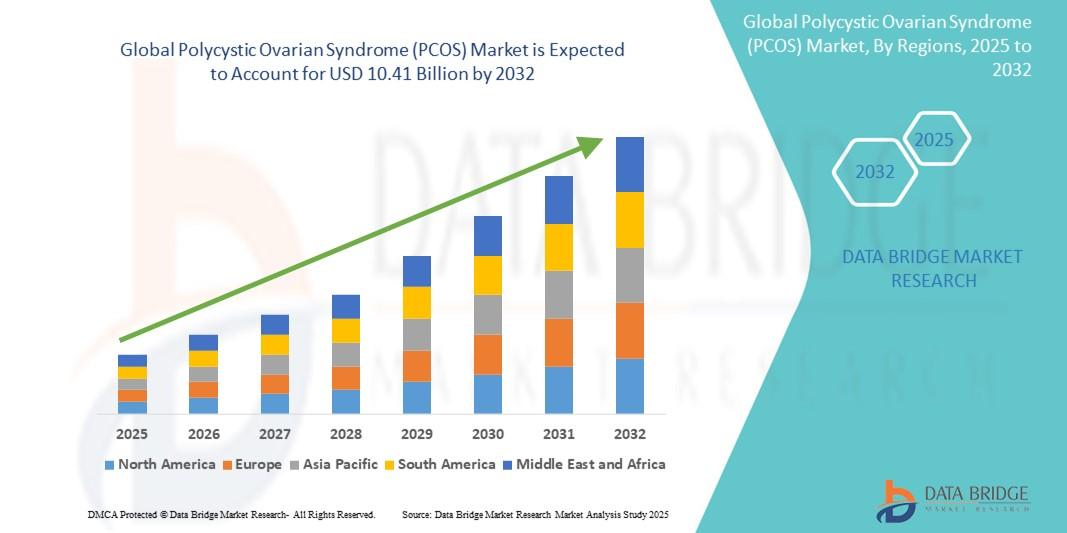
"What’s Fueling Executive Summary Polycystic Ovarian Syndrome (PCOS) Market Size and Share Growth CAGR Value The global polycystic ovarian syndrome (PCOS) market size was valued at USD 6.53 billion in 2024 and is expected to reach USD 10.41 billion by 2032, at a CAGR of 6.00% during the forecast period Polycystic Ovarian Syndrome (PCOS) Market...
🚗 Alfa Romeo USA of Houston – Luxury Italian Cars & Performance...