


NFPA : Fire Safety Codes and Compliance Experts

Step into just about any code discussion on a job site, and NFPA will be mentioned within the first few minutes. NFPA writes the standards that fire codes, building codes, and insurance codes in North America rely on for issues ranging from the design of sprinklers to the storage of hazardous materials. Anyone involved in fire and life safety compliance knows that it is important to understand how NFPA standards work and the relationship they have with the code enforcement community.
What NFPA Actually Is
The NFPA is a non-governmental organization funded by itself and focuses on minimizing losses caused by fires, electricity, and other related dangers using standards. The NFPA itself does not create laws. Rather, provinces, states, and municipalities incorporate specific NFPA standards into their fire and building codes. This explains how the document is legally binding despite NFPA having no authority for enforcement. There are literally hundreds of such standards, including those dealing with portable fire extinguishers (NFPA 10), sprinkler installations (NFPA 13), and hazardous materials storage (NFPA 400).
Why NFPA Documents Get Revised So Often
NFPA codes are not stagnant. Documents are reviewed and updated by technical committees periodically, usually every few years, taking into account recent research findings, incidents and changes in the materials/technologies under discussion. NFPA 400, the Hazardous Materials Code, is another example where the 2025 edition has updated the definitions of "ammonium nitrate emulsion," revised the terminology of "flammable liquids" to be consistent with hazard communication standards, and updated the oxidizers' classification tables according to recent research in fire protection. Using any earlier edition may lead one to work with outdated information or definitions.
How NFPA Connects to Enforcement on the Ground
The publication of the standard is not even the whole story. Those who apply the requirements – fire inspectors, plan examiners, and code officials – have themselves been certified based on NFPA professional qualification standards. NFPA 1031 contains the job performance requirements for fire inspectors and plan examiners, ranging from the verification of construction classification to the inspection of means of egress and suppression systems. In Canada, the provinces of Ontario, British Columbia, and Alberta mandate or recognize certification to NFPA 1031 qualifications through fire marshals’ offices or safety codes councils, meaning that a Certified Fire Inspector on your team would likely have passed an examination based on job performance requirements.
Practical Takeaways for Anyone Working With NFPA Standards
Some practices that will help in avoiding unnecessary conflict between projects and NFPA-referenced requirements include:
-
It is important to ensure that you know the adopted edition of any given standard, since not all revisions occur at the same time as provincial/municipal adoption
-
Annexes and definitions are dynamic rather than static documents, especially when it comes to emerging chemical classes
-
NFPA standards often refer to each other; therefore, changing one document may have implications on others
Working With Qualified Professionals Matters
As NFPA codes are technical, constantly revised, and have been written for individuals who have certain certifications, the benefit of having individuals on your side who have a keen eye on such revisions cannot be overemphasized. A fire inspector who is familiar not only with the code in question but also with the thought process behind a particular revision in that code would definitely notice the gap in compliance long before any costly redesign would need to be undertaken. It also goes for consultants drawing up permits; knowing which edition to refer to would definitely minimize any friction in the review process.
Conclusion
NFPA codes provide the technical foundation for fire and life safety compliance throughout North America, but their effectiveness relies on currency in terms of their application as well as the training of those who enforce them. Being aware of what edition applies to your project, understanding the interconnection between codes, and having a Certified Fire Inspector or consulting expert well-versed in the new changes will make the process easier and safer for compliance. Your next project involving hazardous materials, suppression systems, or occupancies should start with checking the applicable edition of the NFPA code in your jurisdiction.
FAQs
1. Is NFPA a government body with legal authority?
No. NFPA is a standards development organization that is not-for-profit. The documents become legally binding only after being officially adopted by a government authority, which could be provincial or municipal, as part of its fire or building code.
2. How often are NFPA standards updated?
Most of the NFPA documents have cycles of revisions in a few years, depending on each particular standard. The technical committee considers the data about incidents, new materials, and research results before issuing the revised document.
3. What does a Certified Fire Inspector actually do?
The Certified Fire Inspector performs inspections and reviews the construction plans for compliance with the existing fire and building codes, usually having certification according to the job performance requirements described in NFPA 1031.
4. Which NFPA standard is most relevant to hazardous materials storage?
NFPA 400, the Hazardous Materials Code, gathers the requirements concerning the storage, use, and handling of hazardous substances, including oxidizers, corrosives, and organic peroxides, and the code is occasionally revised because of new classification research results.
5. Do all Canadian provinces use the same NFPA-based certification for inspectors?
No. It depends on the province; while most provinces either recognize or require the NFPA 1031-based certification, the governing body and the way of obtaining this certification may vary from province to province.
Categories
Read More
" According to the latest report published by Data Bridge Market Research, the Glioblastoma Multiforme Treatment Market CAGR Value Global glioblastoma multiforme treatment market size was valued at USD 3.09 billion in 2024 and is projected to reach USD 6.44 billion by 2032, with a CAGR of 8.90% during the forecast period of 2025 to 2032. The market research data included...

Choosing the Best Kitchen Appliances India can completely transform your cooking experience. Modern kitchens are no longer just spaces for preparing meals; they have become smart, efficient, and highly functional environments designed to save time and effort. With numerous appliances available in the market, selecting the right products can significantly improve convenience, productivity, and...
The demand for skilled data professionals is growing rapidly across industries. From healthcare and finance to e-commerce and digital marketing, companies now rely heavily on data to make smarter decisions. As a result, many graduates and working professionals are exploring a reliable Data Science Course in Trivandrum to build practical skills and enter the tech industry with confidence....

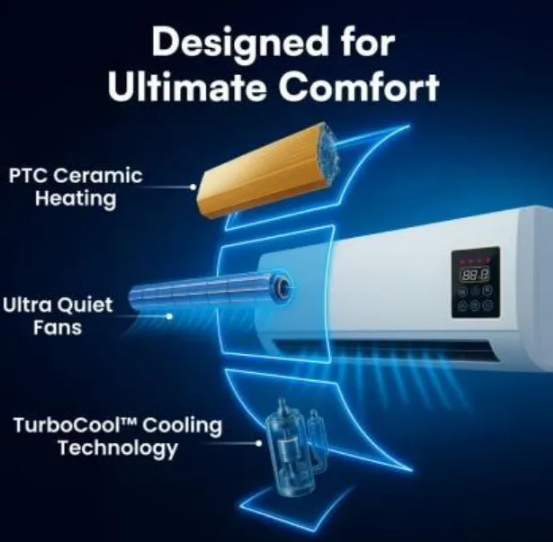
Sitio web oficial https://www.fitprodiet.com/epicooler-opinones/ Las opiniones disponibles en línea son variadas. Algunos compradores afirman que el dispositivo funciona bien para enfriamiento personal y valoran especialmente: Su tamaño compacto El bajo consumo eléctrico La facilidad de uso El funcionamiento silencioso Otros usuarios consideran que la publicidad puede...
In today’s competitive digital world, businesses are investing heavily in mobile technology to improve customer engagement and increase revenue. Choosing the right Mobile App Development Company in Dubai helps brands create user-friendly applications that meet modern customer expectations. Companies across industries such as healthcare, retail, logistics, education, and finance are...