Applications and Use Cases of Negative Focal Length Meniscus Lenses in Modern Optics

The Negative Focal Length Meniscus Lens Market is strongly driven by its wide range of applications across multiple industries. These lenses are essential components in optical systems that require beam divergence, image correction, and high-precision light control.
One of the most prominent applications is in laser beam expanders. Negative meniscus lenses are commonly used to increase beam diameter while maintaining collimation. This is crucial in industrial laser systems used for cutting, welding, engraving, and material processing. By improving beam uniformity, these lenses enhance accuracy and efficiency in manufacturing operations.
In the medical field, these lenses are widely used in laser-based diagnostic and surgical instruments. Ophthalmic lasers, dermatology devices, and minimally invasive surgical tools rely on precise beam shaping to ensure safety and effectiveness. The ability of negative focal length meniscus lenses to reduce optical distortion makes them ideal for such sensitive applications.
Another major use case is in imaging systems, including microscopes, telescopes, and camera optics. These lenses help correct aberrations and improve image clarity, especially in high-resolution scientific imaging. Research laboratories use them extensively in spectroscopy and photonics experiments where accurate light manipulation is essential.
The defense and aerospace industries also represent a significant application area. Optical targeting systems, surveillance equipment, and laser communication devices require highly stable and precise optical components. Negative focal length meniscus lenses help maintain beam integrity in long-distance and high-vibration environments.
In semiconductor manufacturing, these lenses are used in lithography systems and inspection equipment. The production of microchips requires extreme precision in light projection, and any optical distortion can result in defects. Meniscus lenses help ensure accurate pattern transfer during fabrication.
They are also increasingly used in optical communication systems, particularly in fiber optic networks and free-space optical communication. These systems rely on efficient beam shaping and alignment to ensure high-speed data transmission.
Emerging applications include augmented reality (AR), virtual reality (VR), and autonomous vehicle sensors. As these technologies evolve, the demand for compact and high-performance optical components is increasing, positioning negative focal length meniscus lenses as key enabling elements.
Overall, the versatility of these lenses across industries highlights their importance in modern optical engineering. Their ability to enhance performance, improve accuracy, and support advanced technologies ensures continued demand in the global market.
Κατηγορίες
Διαβάζω περισσότερα
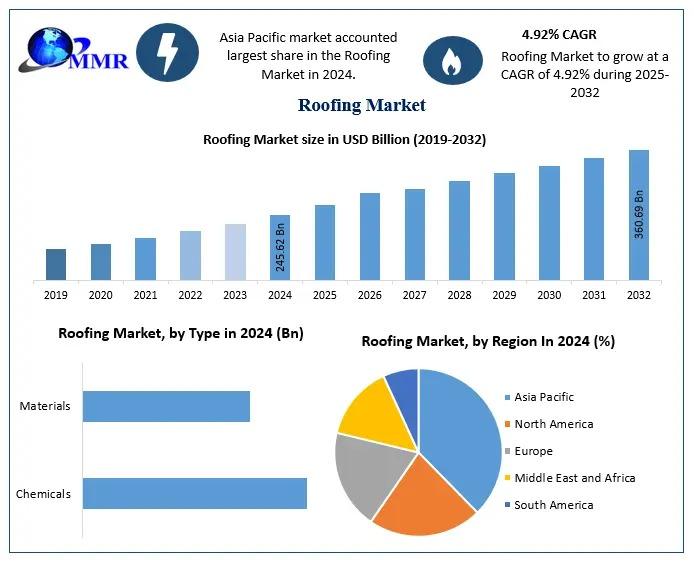
Maximize Market Research Releases Comprehensive Report on the Roofing Market, Providing Insights for Future Growth and Investment Maximize Market Research, a leading business consultancy firm, has published an in-depth analysis of the Roofing Market, offering valuable insights and projections. This detailed study covers critical business intelligence, demand analysis, pricing strategies,...
The latest business intelligence report released by Polaris Market Research on Maritime Satellite Communication Market Share, Size, Trends, Industry Analysis Report, By Type (VSAT, MSS), By Revenue Source (Hardware, Software, Services), By End Use, By Region, And Segment Forecasts, 2024- 2032. It covers the in-depth knowledge of the Maritime Satellite Communication Market...

Consumer Shift Toward Preventive Beauty and Wellness Fuels Nutricosmetics Market Expansion Through 2035 The Nutricosmetics Market is gaining remarkable traction worldwide as consumers increasingly adopt preventive beauty and wellness solutions that combine nutrition with skincare benefits. Valued at USD 8.28 Billion in 2025, the market is projected to reach USD 17.99 Billion...

The Drip Irrigation Market is gaining strong momentum as agriculture shifts toward water-efficient and sustainable farming practices. Drip irrigation systems deliver water directly to plant roots in controlled amounts, minimizing water loss and maximizing crop productivity. With increasing water scarcity, climate variability, and the need to improve agricultural yields, drip...

In hospitality settings, furniture is more than functional; it contributes to the overall ambiance. Commercial Bar Stools and Small Bar Table can help create a specific mood that aligns with the brand and customer expectations. For example, stools with a minimalist design and a sleek table can promote a modern, contemporary feel, while wooden or vintage-inspired options add warmth and...