Reducing Patient Burden Through Decentralized Clinical Trial Design

Introduction
Clinical trials are essential for developing new therapies, medical devices, vaccines, and treatment approaches. However, traditional trial models can place a heavy burden on patients. Frequent site visits, travel time, fixed schedules, repeated follow-ups, and long waiting periods can make participation difficult. For patients managing chronic illness, mobility challenges, work responsibilities, or caregiving duties, these barriers can prevent them from joining or completing a study.
This is why decentralized clinical trials are becoming increasingly important in modern clinical research. By using digital tools, remote workflows, connected devices, and hybrid study models, decentralized trials allow selected activities to happen outside the traditional site setting. This makes clinical research more flexible, accessible, and patient-centered.
The purpose of decentralized research is not to replace clinical sites or investigators. Instead, it helps sponsors and CROs design studies where the right activities happen in the right setting, whether at a site, at home, virtually, or through local healthcare support.
What Are Decentralized Clinical Trials?
Decentralized clinical trials are studies that use technology and remote processes to reduce the need for participants to visit a physical trial site for every activity. Depending on the protocol, decentralized elements may include digital consent, telemedicine visits, ePRO, wearable devices, remote patient monitoring, home nursing, direct-to-patient medication delivery, digital reminders, and electronic data capture.
Some decentralized trials may be fully virtual, but many follow a hybrid model. In hybrid decentralized trials, participants may visit the research site for key assessments while completing follow-ups, questionnaires, check-ins, or monitoring activities remotely.
This approach helps reduce unnecessary travel and improves convenience while maintaining investigator oversight, patient safety, and protocol control.
Why Patient Burden Matters in Clinical Research
Patient burden is one of the biggest barriers to successful trial participation. When a study requires frequent travel, long visits, or complicated schedules, eligible patients may choose not to enroll. Those who do enroll may miss visits, delay data entry, or withdraw before the study is complete.
This can affect recruitment timelines, retention rates, data completeness, and overall study quality. For sponsors and CROs, patient burden can translate into operational delays and higher costs. For patients, it can make research participation feel difficult, stressful, or unrealistic.
Decentralized clinical trials help address this issue by reducing the need for every activity to happen at the clinical site. When selected tasks can be completed remotely, participation becomes easier to manage alongside everyday life.
The Role of Decentralized Clinical Trial Technology
Strong decentralized clinical trial technology is essential for reducing patient burden and supporting remote participation. These technologies connect patients, investigators, sponsors, CROs, monitors, and site teams across different locations.
Digital consent platforms allow participants to review study information and provide consent remotely. Telemedicine tools support virtual visits between investigators and patients. ePRO systems allow participants to report symptoms, medication use, side effects, quality of life, and other outcomes through mobile or web-based forms.
Wearables and connected devices can collect health data such as heart rate, activity levels, sleep patterns, glucose readings, respiratory measures, or other study-specific indicators. Electronic Data Capture systems help organize, validate, and manage trial data. Remote monitoring tools allow study teams to review progress and identify issues without always requiring physical site visits.
Together, these tools make decentralized trials more connected, efficient, and patient-friendly.
Improving Access to Clinical Trials
One of the strongest benefits of decentralized trials is improved access. Traditional studies often depend on participants living near research sites. This can exclude patients in rural areas, older adults, people with mobility limitations, working professionals, caregivers, and individuals who cannot travel frequently.
Decentralized models reduce these barriers by allowing selected activities to happen at home or through nearby healthcare support. This can expand the pool of eligible participants and help sponsors reach more diverse patient populations.
Improved access is especially valuable in rare disease studies, chronic disease trials, long-term follow-up research, and studies that require frequent patient-reported data.
Strengthening Patient Engagement
Patient engagement is critical for clinical trial success. If participants feel disconnected, unsupported, or overwhelmed, they may miss study activities or drop out of the trial.
Decentralized trials can improve engagement by making communication more convenient. Digital reminders, virtual visits, mobile questionnaires, and remote check-ins help participants stay connected with the study team. ePRO tools also allow patients to share symptoms and experiences in real time.
This gives investigators better visibility into the patient journey between visits and helps study teams respond earlier to potential concerns. When patients feel supported and participation is less disruptive, they are more likely to stay engaged through study completion.
Supporting Better Data Collection
Data collection is one of the most important parts of any clinical trial. Decentralized models can support more frequent and timely data capture. Instead of relying only on scheduled site visits, study teams can collect information through ePRO, wearables, connected devices, mobile health tools, and remote monitoring workflows.
This can be useful for trials that require symptom tracking, medication adherence reporting, activity monitoring, or patient experience data. However, decentralized data must be accurate, secure, validated, and traceable.
This is where reliable decentralized clinical trial technology becomes important. The right systems should support audit trails, role-based access, data validation, query management, and regulatory compliance.
Challenges in Decentralized Clinical Trials
Although decentralized models offer major advantages, they require careful planning. Not every activity can happen remotely. Imaging, lab testing, physical exams, complex procedures, and certain safety assessments may still require site visits.
Technology adoption can also be a challenge. Patients and site teams need tools that are simple, reliable, and well integrated. If systems are difficult to use, they can create frustration and reduce compliance.
Data privacy is another major concern. Remote tools may collect sensitive patient information through apps, devices, telemedicine platforms, and digital forms. Sponsors and CROs must ensure that patient data is protected and that systems meet regulatory expectations.
Why Hybrid Models Often Work Best
For many studies, hybrid decentralized clinical trials provide the best balance. They allow trial teams to decentralize activities that can be completed remotely while keeping critical assessments at the site.
For example, eConsent, virtual follow-ups, ePRO questionnaires, and remote monitoring may happen digitally. At the same time, imaging, lab tests, investigator assessments, and complex procedures may remain site-based.
This model helps reduce patient burden while preserving clinical oversight, patient safety, and protocol quality.
Conclusion
Decentralized clinical trials are helping clinical research become more accessible, flexible, and patient-centered. By reducing unnecessary site visits and using digital tools to support remote participation, decentralized models can improve recruitment, retention, engagement, and data visibility.
Decentralized trials are not a replacement for traditional clinical sites. They are a flexible extension of the trial model, allowing sponsors and CROs to choose the right mix of remote and site-based activities.
With strong decentralized clinical trial technology, study teams can reduce patient burden, improve participation, and build clinical trials that are better aligned with the needs of modern research.
Categorie
Leggi tutto
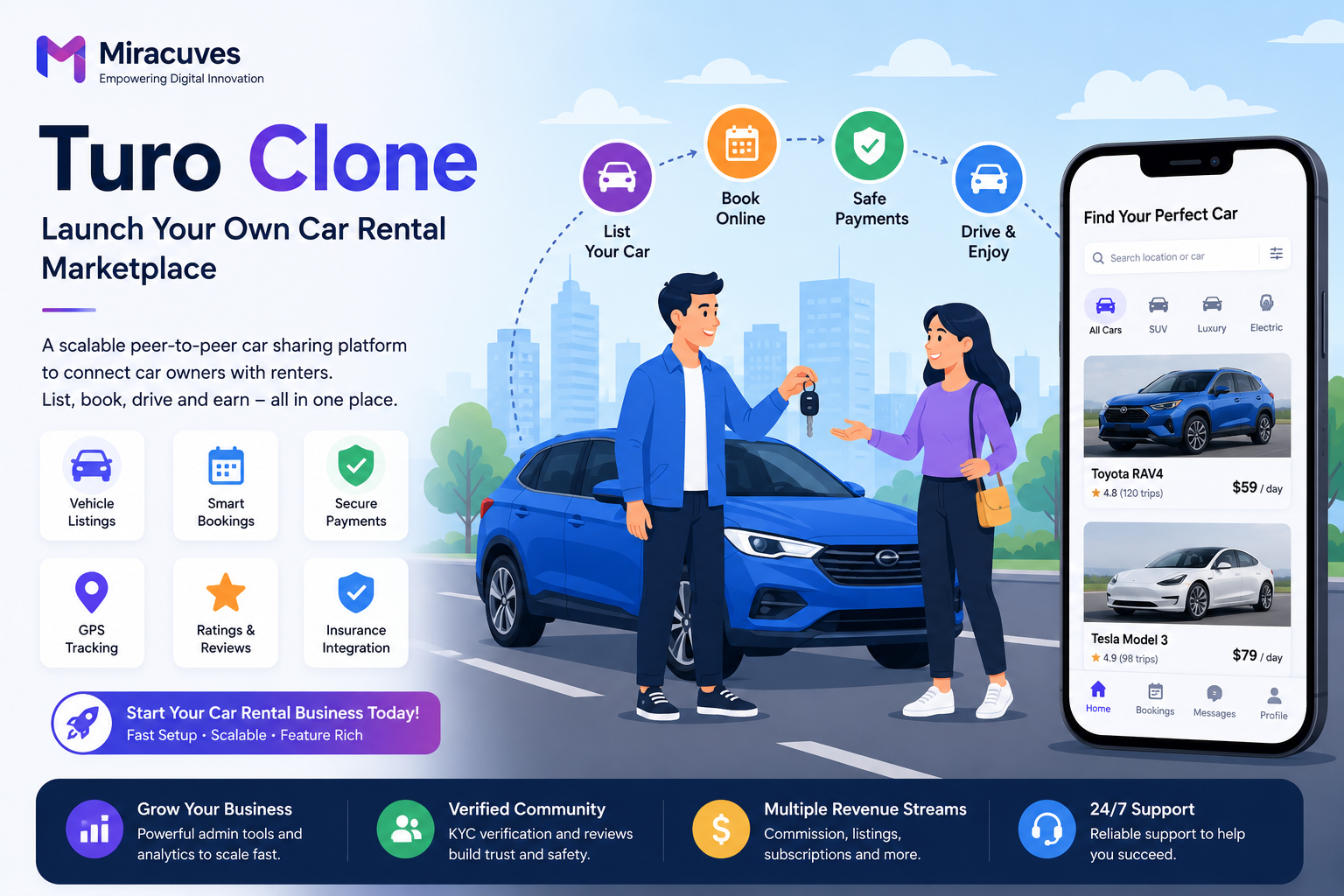
The car rental industry has changed dramatically over the last few years. Traditional rental companies are no longer the only option for travelers, commuters, and short-term vehicle users. Peer-to-peer car sharing platforms like Turo introduced a more flexible and scalable business model where vehicle owners can monetize idle cars while renters gain access to affordable and convenient...
Choosing the right dental provider for a child with unique healthcare needs is an important decision for every parent. Children with sensory sensitivities, developmental conditions, physical disabilities, or behavioral challenges often require a calm and understanding dental environment. Families searching for a pediatric dentist for special needs near me in Lake Forest, CA want...

The online gaming world is growing rapidly, and many people are searching for platforms that offer fun, variety, and a secure experience. KK55 is one such vibrant entertainment space where users can enjoy multiple forms of online games in one place. From sports betting to live casino experiences, exciting slot games, and online lottery options, the platform offers a complete digital...
Executive Summary Alcohol Prep Pads Market Size and Share: Global Industry Snapshot The global alcohol prep pads market size was valued at USD 343.71 million in 2024 and is expected to reach USD 906.65 million by 2032, at a CAGR of 12.89% during the forecast period. Businesses can depend with confidence upon this superior Alcohol Prep Pads...
Streetwear fashion has evolved into more than just clothing; it has become a cultural identity, and Broken Planet stands at the center of this movement. Known for its bold graphics, premium fabrics, and unique aesthetic, the brand has quickly gained massive popularity among fashion enthusiasts worldwide. With the 75% Summer Sale now live, this is the perfect opportunity to...