PCPNDT License West Bengal

Healthcare facilities that provide prenatal diagnostic services must follow strict legal requirements to protect ethical medical practices and prevent the misuse of diagnostic technology. PCPNDT License West Bengal serves as a mandatory authorization for eligible clinics, hospitals, diagnostic centers, genetic counseling centers, genetic laboratories, and ultrasound facilities that conduct prenatal diagnostic procedures. Proper registration supports lawful operations while ensuring patient safety, transparency, and regulatory compliance.
Purpose of the PCPNDT Act
The Pre-Conception and Pre-Natal Diagnostic Techniques (Prohibition of Sex Selection) Act aims to eliminate sex selection before and after conception. The law regulates diagnostic techniques that identify genetic abnormalities while strictly prohibiting their misuse for determining the sex of a fetus.
Medical establishments offering ultrasound or prenatal diagnostic services must register under the Act before beginning operations. Consequently, every registered facility remains accountable to the Appropriate Authority for maintaining legal and ethical standards.
A valid registration also strengthens public confidence because it confirms that a facility follows approved procedures and government regulations.
Major Objectives of the Act
-
Prevent sex selection before conception.
-
Stop illegal disclosure of fetal sex.
-
Regulate prenatal diagnostic procedures.
-
Protect the rights of unborn children.
-
Promote ethical medical practices.
-
Ensure accountability among healthcare institutions.
-
Monitor diagnostic centers through regular inspections.
-
Preserve accurate medical records.
-
Encourage transparency in prenatal healthcare.
Who Needs a PCPNDT License?
Any medical establishment that intends to use ultrasound equipment or perform prenatal diagnostic procedures must obtain approval before commencing operations. However, the exact requirement depends on the services provided.
The following healthcare establishments generally require registration:
-
Diagnostic imaging centers
-
Ultrasound clinics
-
Hospitals offering obstetric services
-
Nursing homes with ultrasound facilities
-
Genetic counseling centers
-
Genetic laboratories
-
Genetic clinics
-
Mobile ultrasound units
-
Fertility centers conducting regulated procedures
-
Multi-specialty healthcare institutions providing prenatal diagnostics
Moreover, every additional branch operating diagnostic equipment requires separate registration where applicable.
Healthcare Facilities Covered Under the Registration
Several categories of healthcare institutions fall within the scope of the Act. Each category performs different medical functions but remains subject to regulatory supervision.
Genetic Counseling Centers
These centers provide counseling regarding hereditary disorders, congenital abnormalities, and genetic risks before recommending further diagnostic procedures.
Genetic Laboratories
These laboratories analyze biological samples to identify genetic conditions or chromosomal abnormalities. Therefore, they must operate according to prescribed legal standards.
Genetic Clinics
Genetic clinics conduct diagnostic procedures using approved medical techniques. Their activities remain closely monitored under statutory provisions.
Ultrasound Imaging Centers
Facilities that perform obstetric ultrasound examinations require valid registration because ultrasound technology falls within the regulatory framework established by the Act.
Hospitals and Nursing Homes
Hospitals offering antenatal care often install ultrasound machines for pregnancy monitoring. Consequently, they must complete registration before using the equipment for eligible diagnostic purposes.
Eligibility Criteria for Registration
Applicants must satisfy several conditions before receiving approval. Authorities evaluate infrastructure, equipment, professional qualifications, and operational readiness during the registration process.
General eligibility requirements include:
-
Legally established healthcare institution
-
Qualified medical practitioners
-
Approved diagnostic equipment
-
Adequate infrastructure
-
Proper examination rooms
-
Record maintenance system
-
Display of mandatory notices
-
Compliance with statutory requirements
-
Availability of prescribed application documents
-
Readiness for official inspection
Meeting these conditions improves the likelihood of successful registration while reducing avoidable delays.
Documents Required for PCPNDT Registration
Applicants should prepare complete documentation before submitting their application. Missing information frequently delays scrutiny and approval.
Commonly required documents include:
-
Duly completed application form
-
Identity proof of the applicant
-
Address proof of the establishment
-
Ownership documents or lease agreement
-
Registration certificate of the healthcare facility
-
Qualification certificates of doctors
-
Medical registration certificates
-
Details of ultrasound machines
-
Equipment purchase invoice
-
Manufacturer information
-
Floor layout plan
-
Passport-size photographs
-
Affidavit, wherever applicable
-
PAN details
-
Electricity bill or utility proof
-
Staff details
-
Declaration regarding compliance with legal provisions
Authorities may request additional documents depending on the type of healthcare establishment and diagnostic services proposed.
Step-by-Step Registration Process
Obtaining PCPNDT License West Bengal involves multiple administrative stages designed to verify compliance before granting approval.
Although procedural requirements may vary depending on the healthcare facility, the overall registration process generally follows a structured sequence.
Application Preparation
Applicants first collect all mandatory documents, verify professional qualifications, and organize equipment details before filing the application.
Careful preparation reduces the possibility of objections during document scrutiny.
Submission of Application
The completed application, together with supporting records, is submitted before the Appropriate Authority in the prescribed format.
Moreover, applicants should verify that every declaration, attachment, and signature appears correctly before submission.
Document Verification
Officials examine every submitted document to confirm compliance with statutory provisions.
If discrepancies arise, applicants receive instructions to provide clarifications or additional documentation within the prescribed period.
Inspection of the Healthcare Facility
After successful scrutiny of documents, the competent authority generally conducts a physical inspection of the premises.
Inspecting officers verify:
-
Infrastructure
-
Equipment installation
-
Examination rooms
-
Record maintenance arrangements
-
Display requirements
-
Staffing details
-
Operational readiness
The inspection plays a significant role in determining whether the establishment satisfies licensing conditions.
Grant of Registration
After satisfactory verification and inspection, the Appropriate Authority may issue the registration certificate subject to applicable legal conditions.
The healthcare facility can begin regulated services only after receiving formal approval and complying with every condition mentioned in the registration certificate.
Validity and Renewal of Registration
A registration certificate remains valid only for the period specified by the Appropriate Authority. Every registered healthcare establishment should monitor its validity and begin the renewal process well before the expiry date.
Timely renewal helps maintain uninterrupted medical services and prevents operational complications. Moreover, authorities review the facility's compliance history before extending registration.
Healthcare institutions should regularly review their documentation to ensure every record remains updated throughout the registration period.
Key Points for Renewal
-
Submit the renewal application within the prescribed timeline.
-
Verify that all registration details remain accurate.
-
Update changes in equipment or ownership.
-
Report changes in medical professionals, if applicable.
-
Produce records during inspection when requested.
-
Continue compliance with every licensing condition.
-
Pay applicable government fees.
-
Respond promptly to any clarification requests.
Proper planning simplifies renewal and supports continuous legal operation.
Responsibilities of Registered Healthcare Facilities
Registration brings several legal responsibilities. Every healthcare institution must comply with operational requirements while maintaining transparency during daily activities.
Authorities expect registered facilities to follow every applicable provision without exception. Consequently, continuous compliance remains as important as obtaining the registration itself.
Healthcare providers should establish internal monitoring systems that help employees follow prescribed procedures consistently.
Operational Responsibilities
Registered establishments should:
-
Display the registration certificate prominently.
-
Display mandatory legal notices.
-
Maintain prescribed registers.
-
Preserve patient records accurately.
-
Allow inspections by competent authorities.
-
Report changes in ownership when required.
-
Notify authorities about equipment additions.
-
Ensure qualified professionals perform diagnostic procedures.
-
Follow approved operational standards.
-
Preserve confidentiality of patient information.
Consistent adherence to these responsibilities strengthens regulatory compliance while reducing legal risks.
Record Maintenance Requirements
Accurate documentation forms one of the most important obligations under the Act. Every examination, referral, and diagnostic procedure should appear in the prescribed records.
Proper record maintenance allows authorities to verify compliance during inspections. Furthermore, organized documentation improves operational efficiency and accountability.
Healthcare facilities should establish written procedures for record preparation, storage, and retrieval.
Important Records
Common records include:
-
Patient registration details
-
Referral records
-
Consent forms
-
Ultrasound examination records
-
Machine usage details
-
Staff attendance records
-
Inspection reports
-
Equipment maintenance records
-
Registration certificate copies
-
Renewal documents
Records should remain complete, accurate, and available whenever competent authorities request verification.
Inspection Procedure
Regulatory inspections play a significant role in ensuring compliance with statutory provisions. Inspection teams evaluate infrastructure, equipment, documentation, and operational practices.
Officials generally assess whether the establishment follows licensing conditions without deviation.
During an inspection, authorities may verify:
-
Registration certificate
-
Staff qualifications
-
Diagnostic equipment
-
Patient records
-
Mandatory display boards
-
Machine details
-
Referral documentation
-
Consent records
-
Register maintenance
-
Overall compliance practices
Healthcare institutions should cooperate fully throughout the inspection process. Moreover, immediate responses to official observations create a positive compliance environment.
Common Reasons for Application Delays
Many applications experience delays because applicants overlook mandatory requirements before submission.
Careful preparation significantly reduces unnecessary correspondence with regulatory authorities.
Common reasons include:
-
Incomplete application forms
-
Missing supporting documents
-
Incorrect equipment information
-
Inadequate infrastructure
-
Unqualified medical staff
-
Improper ownership records
-
Errors in declarations
-
Missing signatures
-
Inconsistent information across documents
-
Failure to respond to clarification notices
Applicants who review every document before submission generally experience a smoother registration process.
Compliance Requirements After Registration
Obtaining PCPNDT License West Bengal marks only the beginning of regulatory responsibilities. Continuous compliance remains essential throughout the validity period.
Healthcare establishments should implement internal compliance systems that promote accuracy and accountability.
Best Compliance Practices
Facilities should:
-
Conduct periodic internal audits.
-
Train employees on legal obligations.
-
Maintain organized documentation.
-
Review records regularly.
-
Verify equipment maintenance schedules.
-
Monitor registration validity.
-
Report significant operational changes promptly.
-
Preserve patient confidentiality.
-
Follow ethical medical standards.
-
Cooperate during official inspections.
These practices reduce compliance risks while supporting efficient healthcare administration.
Benefits of Proper Registration
Lawful registration provides several operational and administrative advantages for healthcare institutions.
Although compliance requires careful planning, the long-term benefits outweigh the administrative effort.
Major benefits include:
-
Legal authorization to operate eligible diagnostic services
-
Improved institutional credibility
-
Greater public confidence
-
Reduced legal exposure
-
Better record management
-
Higher operational transparency
-
Smooth regulatory inspections
-
Ethical healthcare practices
-
Organized administrative processes
-
Stronger compliance culture
Proper registration also creates a structured framework that supports responsible prenatal diagnostic services.
Consequences of Non-Compliance
Failure to comply with statutory requirements can result in serious legal consequences.
Authorities possess powers to investigate suspected violations and initiate appropriate action whenever necessary.
Possible consequences may include:
-
Suspension of registration
-
Cancellation of registration
-
Regulatory investigations
-
Legal proceedings
-
Financial penalties as permitted under applicable law
-
Seizure of equipment where legally justified
-
Operational restrictions
-
Increased regulatory monitoring
-
Damage to institutional reputation
-
Temporary interruption of services
Therefore, healthcare institutions should prioritize continuous compliance instead of treating registration as a one-time administrative formality.
Best Practices Before Applying
Applicants can improve the efficiency of the registration process by completing several preparatory steps before filing the application.
Proper planning minimizes documentation errors while supporting faster scrutiny.
Recommended preparation includes:
-
Review every eligibility requirement.
-
Verify professional qualifications.
-
Organize ownership documents.
-
Prepare equipment information.
-
Complete the prescribed application carefully.
-
Arrange infrastructure according to requirements.
-
Establish record maintenance procedures.
-
Verify statutory declarations.
-
Prepare staff documentation.
-
Conduct an internal compliance review.
These preparatory measures create a strong foundation for successful registration and long-term regulatory compliance.
Conclusion
Obtaining PCPNDT License West Bengal represents an essential legal requirement for healthcare establishments providing prenatal diagnostic services. Proper registration, accurate documentation, regular record maintenance, timely renewal, and continuous compliance create a strong operational framework. Moreover, adherence to statutory obligations promotes ethical healthcare practices, strengthens regulatory confidence, and supports responsible diagnostic services while protecting the interests of patients and society.
Frequently Asked Questions
1. What is a PCPNDT License in West Bengal?
A PCPNDT registration authorizes eligible healthcare establishments to legally provide prenatal diagnostic services regulated under the Pre-Conception and Pre-Natal Diagnostic Techniques Act. The registration helps ensure ethical medical practices, regulates the use of diagnostic equipment, and prevents the misuse of prenatal diagnostic techniques for unlawful purposes while promoting accountability among healthcare providers.
2. Who must obtain a PCPNDT License West Bengal?
Hospitals, nursing homes, ultrasound clinics, diagnostic imaging centers, genetic counseling centers, genetic clinics, genetic laboratories, and other healthcare establishments offering regulated prenatal diagnostic services generally require registration before commencing operations. Each eligible facility must satisfy the prescribed legal requirements and receive approval from the Appropriate Authority before providing covered services.
3. Which documents are commonly required for registration?
Applicants generally submit an application form, ownership or tenancy documents, identity proof, address proof, qualification certificates, medical registration certificates, equipment details, floor plan, establishment registration documents, staff information, photographs, declarations, and other supporting records requested during the verification process. Complete documentation helps reduce unnecessary delays during scrutiny.
4. How long does the registration process usually take?
The processing period depends on document verification, inspection scheduling, application accuracy, and administrative procedures followed by the Appropriate Authority. Applications containing complete information and accurate supporting documents generally progress more smoothly, whereas incomplete submissions may require additional clarification before authorities make a final decision.
5. Can authorities inspect a registered healthcare facility?
Yes. Competent authorities may inspect registered facilities to verify infrastructure, equipment, patient records, statutory displays, staff qualifications, and compliance with licensing conditions. Regular inspections encourage transparency and help ensure that healthcare establishments continue operating according to applicable legal requirements throughout the registration period.
6. Is renewal necessary after obtaining registration?
Yes. Registration remains valid only for the approved period. Healthcare establishments should submit renewal applications before the expiry date while maintaining continuous compliance with every licensing condition. Timely renewal supports uninterrupted services and helps prevent avoidable regulatory complications arising from an expired registration certificate.
7. What records should a registered facility maintain?
Healthcare establishments should maintain patient records, referral documents, consent forms, equipment details, inspection reports, registration certificates, staff information, maintenance records, and other prescribed registers. Proper documentation demonstrates compliance during inspections and supports transparent administration throughout the operational life of the facility.
8. What happens if a facility violates the Act?
Violations may attract regulatory action, including suspension or cancellation of registration, legal proceedings, financial penalties where applicable, and increased monitoring by authorities. Maintaining accurate records, following prescribed procedures, and complying with statutory obligations significantly reduce the risk of enforcement action.
9. Can a healthcare facility add new ultrasound equipment after registration?
Healthcare establishments should follow the applicable regulatory procedure before installing or operating additional ultrasound equipment. Authorities may require notification, approval, updated documentation, or inspection depending on the nature of the change. Facilities should complete every required formality before placing new equipment into service.
10. Why is compliance important after receiving a PCPNDT License West Bengal?
Continuous compliance protects the legal status of the healthcare establishment and supports ethical medical practice. Maintaining accurate records, cooperating during inspections, updating registration details, and following statutory conditions help ensure uninterrupted operations while promoting accountability, transparency, and public confidence.
Nach Verein filtern
Read More
Discover the importance and practical uses of the edge finder tool in machining. Learn how it improves accuracy in CNC machine tools and milling operations. Why Edge Finder Tools Are Essential for Accurate Machining Precision machining requires accurate alignment between the cutting tool and the workpiece. Even the smallest misalignment can result in...

Arc Raiders' Week 13 Trials, running from January 19 to 26, 2026, put players to the test with five PvE-focused challenges that focus on dealing damage to tough enemies and scavenging across maps. These trials reward leaderboard positions and epic gear for those who perform best, so teaming up and using optimized loadouts is crucial to earn three stars on each task ARC Raiders Coins. Since only...

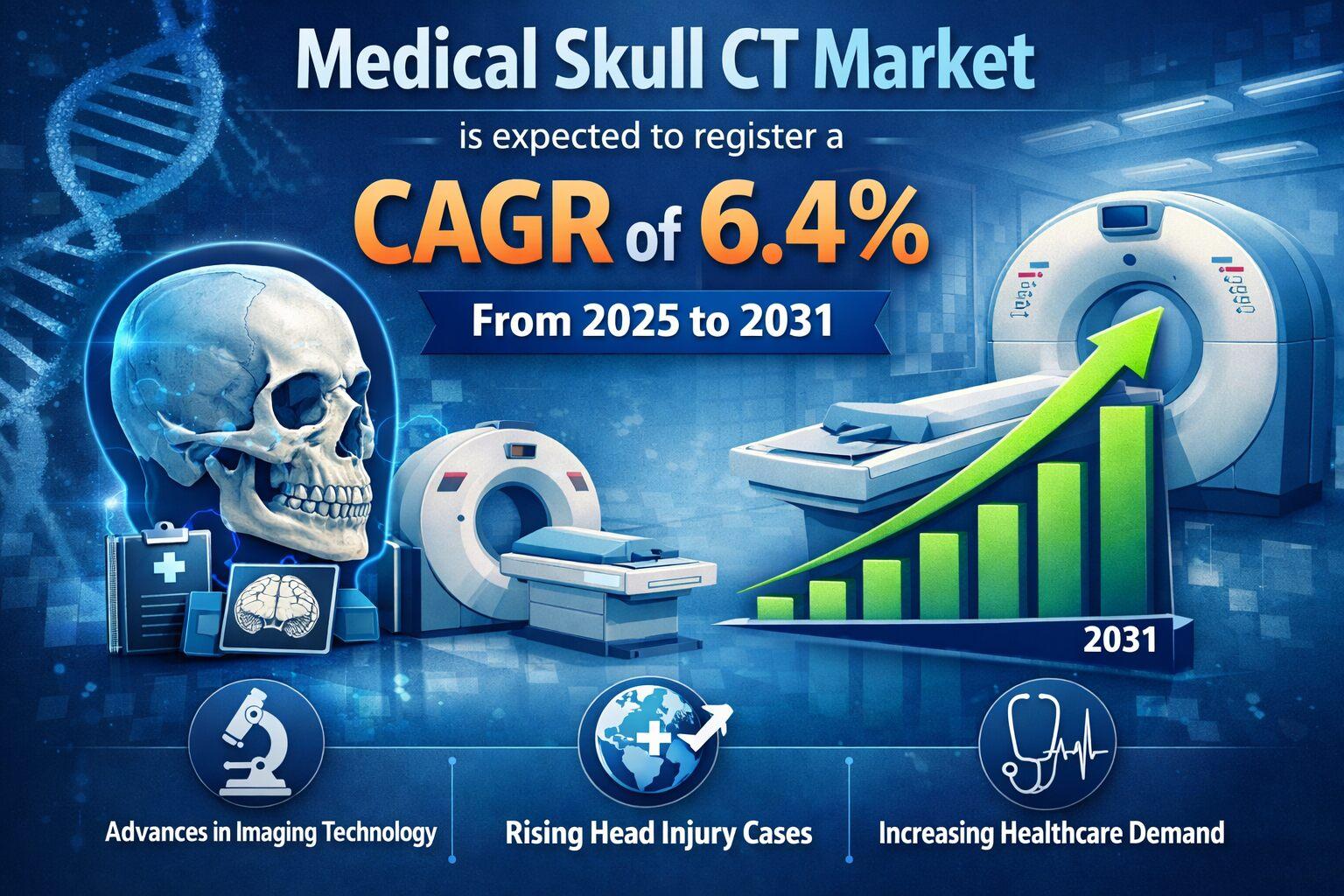
The Medical Skull CT equipment is designed to produce precise images of cranial bones and soft tissues within a short scanning time. Its reliability and efficiency make it a cornerstone of modern radiology departments. Medical Skull CT Market Overview The Medical Skull CT Market is projected to register a CAGR of 6.4% from 2025 to 2031, reflecting steady expansion driven by...
In the vibrant and fast-paced cities of Chandigarh, Mohali, and Zirakpur, professionals and visitors often seek refined companionship that matches their sophisticated lifestyle. Escort Service Hub Chandigarh has emerged as a trusted and premium destination for those looking for exceptional experiences. Known for its professionalism, discretion, and high-quality service, the agency specializes...

Engaging B2B buyers effectively has become more challenging than ever. Modern buyers expect personalized experiences that are timely, relevant, and consistent across every interaction. Leveraging AI in B2B Marketing allows companies to transform how they engage with prospects at scale. By combining predictive analytics, automated personalization, and multi-channel orchestration, AI ensures that...