


What Causes Wear In Elbows And Substation Cable Terminations?

Deep in the substation, the critical points where underground cables connect to overhead lines are exposed to enormous energy loads in harsh weather conditions.
If these heavy-duty junctions begin to degrade, the resulting current leaks can trigger explosive equipment failures, expensive outages, and immediate safety hazards for your field crews.
Spotting the root causes of this hidden wear before a catastrophic flashover occurs is the only way to protect your infrastructure. To ensure long-term grid resilience, engineers must understand the specific physical factors that accelerate damage in elbows and substation cable terminations.
At A Glance
● Thermal Expansion Strain: How do daily peak electrical loads cause physical shifts that slowly weaken internal rubber layers?
● Moisture Infiltration: Why do tiny drops of water, combined with high voltage, cook vital insulation from the inside out?
● Microscopic Contamination: The massive impact that minor cable preparation dust and sharp bending have on your network's lifespan.
What Are The Drivers Of Wear In Elbows And Substation Cable Terminations?
● Thermal Expansion and Contraction Cycles
High-voltage electrical networks are very dynamic environments, subjected to large temperature fluctuations during the day as consumer power demands fluctuate.
When massive currents surge through internal copper or aluminum conductors, the metal naturally heats up and expands physically against its surrounding components. As demand tapers off, the system cools down and contracts, creating a subtle but continuous mechanical pulling motion inside the joint.
Because the outer rubber housings, metallic shields, and internal connectors all expand at entirely different rates, this constant friction eventually creates microscopic air gaps along the internal interfaces.
● Invisible Moisture Infiltration & Growth of Water Trees
Water remains one of the most destructive forces a substation network can face, especially when it manages to sneak past weathered outer jackets. Exposure to freezing winters, baking summer heat, and intense UV rays gradually breaks down the specialized rubber seals meant to keep the internal connection completely dry.
Once a tiny trace of dampness breathes through these weakened boundaries, the intense local electrical field acts on that water, creating a slow-growing microscopic pathway known as a water tree.
These tiny conductive channels slowly weave their way through solid insulation, permanently eating away at the material’s capacity to block current until a short circuit occurs. Preventing this dampness is exactly why field crews must focus heavily on sealing elbows and substation cable terminations.
● Improper Bending Radii & Mechanical Stress in Tight Enclosures
When field crews force thick, rigid cables into tight turns to save space, they place a permanent, uneven structural pull on one side of the connector housing.
This physical pulling stretches the internal synthetic rubber compounds, making it significantly easier for electrical stress to punch a hole through the thinned insulation layer.
Additionally, constant ambient vibrations from passing traffic or nearby heavy machinery travel up the lines and rattle the joints, slowly loosening the hardware over time. Handling these harsh physical forces is vital to extending the lifespan of elbows and substation cable terminations.
Conclusion
To ensure a reliable high-voltage grid, it’s essential to dig beneath the surface to examine the unseen physical stresses that your equipment is facing.
Unchecked worn seals, tight cable turns, or internal thermal fatigue can leave your power network open to sudden system failures, costly emergency repairs, and unnecessary workplace hazards.
Plus, for utility managers who want to eliminate the guesswork from purchasing and upgrade their substation infrastructure, the easiest way to ensure long-term grid durability is to purchase premium power transformer accessories and certified connection hardware.
Categorieën
Read More
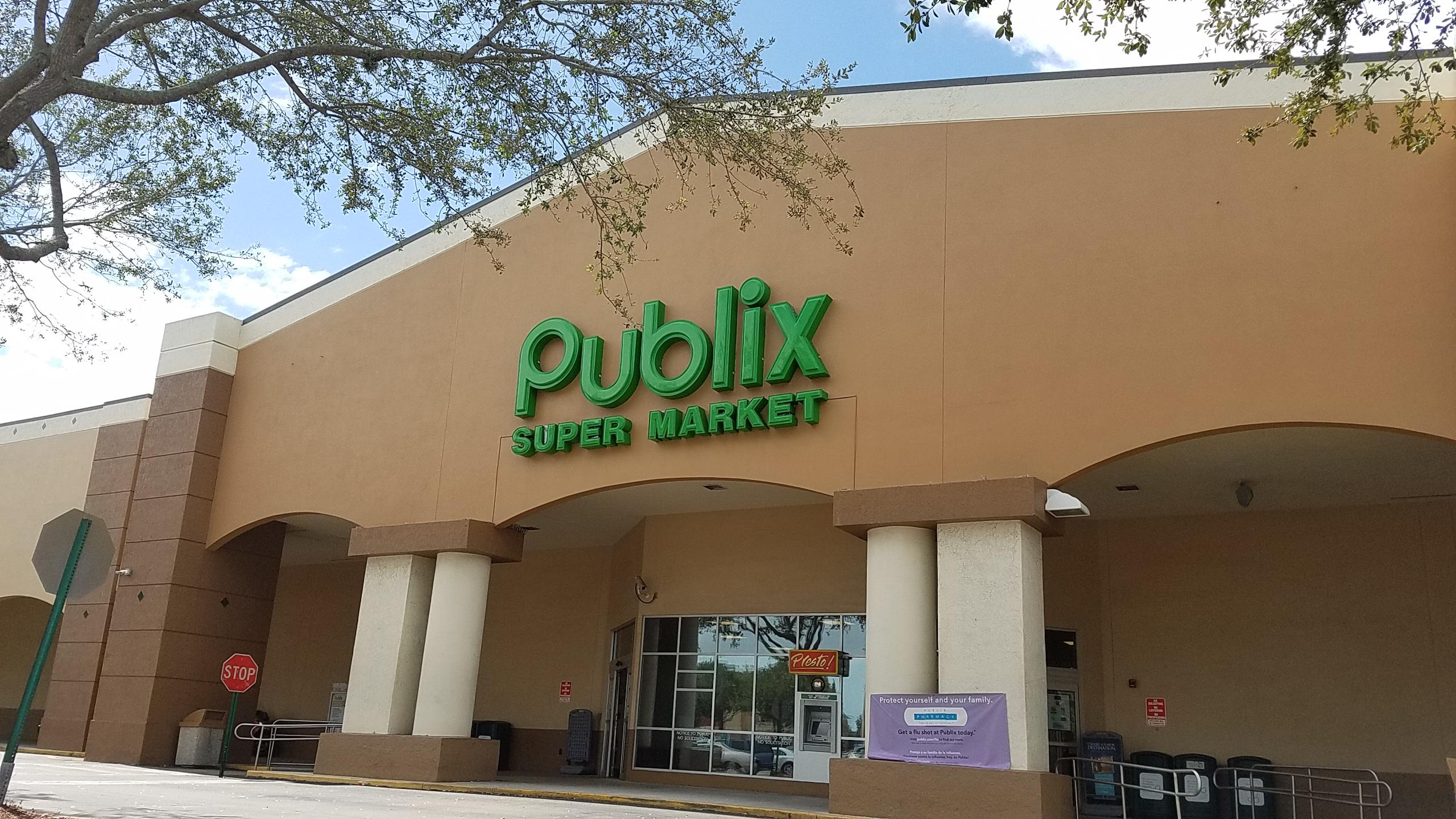
At Publix Super Market at Pine Lake Plaza, this experience is elevated by a commitment to freshness, customer service, and community involvement. Nestled in a bustling area, this Publix location has become more than just a place to shop; it’s a cornerstone of convenience and trust for residents. In this article, we’ll take a closer look at what makes Publix Super Market at Pine Lake...
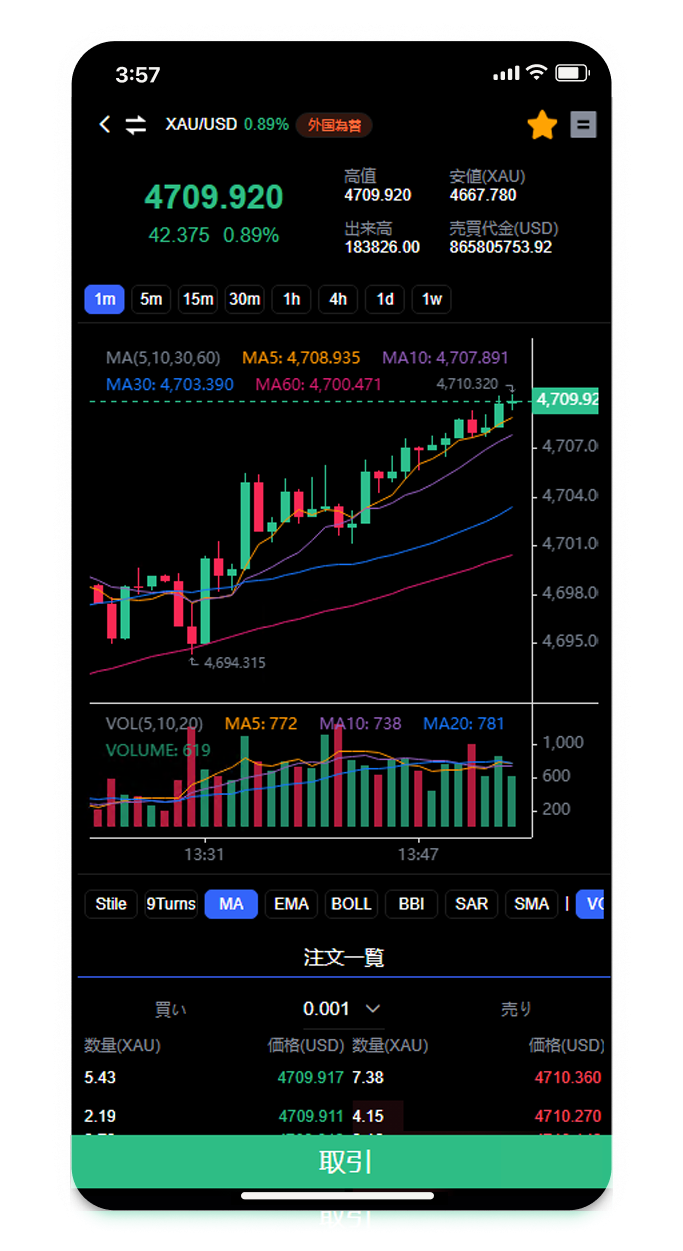
暗号資産の世界は日々進化しており、投資家にとって最適なプラットフォーム選びが重要です。そんな中、注目を集めているのがCoincheckAIです。AI技術を活用した新しい投資スタイルで、多くの初心者から上級者まで幅広く支持されています。 CoincheckAIとは? CoincheckAIは、日本国内で人気の暗号資産取引所「Coincheck」が提供する、AI搭載型の投資プラットフォームです。従来の取引では個人の判断に依存していた投資戦略を、AIが自動で分析・予測してサポートしてくれます。これにより、初心者でも安心して投資を始められる環境が整っています。 CK&AIがもたらす投資のメリット...
In today's rapidly evolving business environment, organizations face increasing challenges related to financial management, regulatory compliance, taxation, and operational efficiency. Whether you are a startup, SME, or established enterprise, maintaining accurate financial records and ensuring compliance with changing regulations are essential for long-term success. This is where Consultara...

A reliable electrical installation service helps keep your home or business safe, energy-efficient, and fully functional. Whether you are installing new lighting, upgrading an electrical panel, or setting up wiring for a renovation, professional electricians ensure every system is installed correctly and meets safety standards. Faulty electrical systems are one of the leading causes of property...
According to the latest report published by Data Bridge Market Research, the AS-Interface Market CAGR Value AS-Interface Market analysis report contains significant data, current market trends, market environment, technological innovation, upcoming technologies and the technical progress in the allied industry. All this data and information is very important to the...
