


Nasal Dressings Market Outlook 2031: Biodegradable Innovations and Rising Nasal Surgeries Drive Global Market Growth

The global nasal dressings market is witnessing steady growth as the number of nasal surgeries, sinus procedures, and epistaxis management cases continues to rise worldwide. The market was valued at US$ 1.1 Bn in 2020 and is projected to expand at a compound annual growth rate (CAGR) of 9.01% from 2021 to 2031, reaching approximately US$ 2.7 Bn by the end of 2031.
Growing prevalence of nasal injuries, increasing demand for cosmetic and reconstructive surgeries, and continuous advancements in biodegradable nasal dressing technologies are expected to remain the primary growth drivers throughout the forecast period. As healthcare providers increasingly prioritize patient comfort and improved post-operative outcomes, manufacturers are introducing innovative nasal dressing solutions that promote faster healing while minimizing complications.
Rising Incidence of Nasal Disorders and Surgeries Fueling Market Growth
The growing number of nasal and sinus disorders is significantly contributing to the expansion of the nasal dressings market. Conditions such as chronic rhinosinusitis, nasal fractures, septal deviations, and recurrent nosebleeds (epistaxis) have increased the demand for surgical interventions and effective post-operative care.
Functional Endoscopic Sinus Surgery (FESS) has become the global standard for treating chronic sinus diseases that do not respond to medical therapy. Following these procedures, nasal dressings play an essential role in controlling bleeding, supporting nasal tissues, minimizing adhesions, and accelerating wound healing.
Cosmetic procedures such as rhinoplasty and septoplasty have also witnessed substantial growth over the past decade. The increasing popularity of aesthetic treatments, coupled with technological advancements in facial reconstruction, has expanded the demand for advanced nasal dressing products capable of improving patient recovery and surgical outcomes.
Biodegradable Nasal Dressings Transforming Post-Surgical Care
One of the most significant developments in the market is the rapid adoption of biodegradable nasal dressings. Unlike conventional nasal packing materials that require manual removal, biodegradable products gradually dissolve during routine nasal irrigation, eliminating the need for painful removal procedures.
These advanced dressings provide several clinical advantages, including:
- Improved local hemostasis
- Faster wound healing
- Reduced postoperative bleeding
- Lower risk of tissue adhesions
- Enhanced patient comfort
- Elimination of dressing removal-related complications
The ability of biodegradable dressings to act as temporary scaffolds that support tissue regeneration has made them increasingly popular among ENT surgeons and hospitals. As a result, the biodegradable nasal dressings segment is expected to maintain its dominant position throughout the forecast period.
Technological Innovations Improving Patient Outcomes
Continuous technological advancements are reshaping the nasal dressings market. Manufacturers are developing highly absorbent materials that maximize fluid absorption while minimizing mucosal irritation during the healing process.
Innovations in nasal surgery, including three-dimensional endoscopic visualization, robotic-assisted procedures, computer-guided surgical planning, and virtual osteotomy software, have significantly improved surgical precision. These advancements have increased the need for high-performance postoperative nasal dressing solutions that complement modern surgical techniques.
In addition, the introduction of nasal dressing holders has improved patient comfort by replacing conventional adhesive tapes. These transparent holders use adjustable ear loops and hook-and-loop fastening systems to securely position dressings after rhinoplasty, septoplasty, facial trauma, and sinus surgery while reducing skin irritation.
Increasing Focus on Epistaxis Management
Epistaxis management remains one of the largest application areas for nasal dressings. Nosebleeds affect a significant portion of the global population, with many patients requiring medical intervention to control persistent bleeding.
Nasal packing devices apply consistent pressure to the nasal septum, helping achieve effective hemostasis while reducing mucosal irritation and clot formation. Modern bioresorbable nasal dressings have become particularly valuable in treating both anterior and posterior epistaxis due to their ability to control bleeding while naturally dissolving over time.
The increasing incidence of sports-related nasal injuries, accidental trauma, and age-related bleeding disorders continues to support demand for advanced nasal dressing products worldwide.
COVID-19 Impact and Strengthening Local Manufacturing
The COVID-19 pandemic temporarily disrupted global medical device supply chains and elective surgical procedures. However, manufacturers quickly adapted by strengthening local production capabilities and improving supply chain resilience.
Companies increasingly focused on maintaining uninterrupted supplies for hospitals, ambulatory surgery centers, and home healthcare providers. Investments in localized manufacturing reduced dependence on imported raw materials while improving business continuity during periods of transportation disruption.
The expansion of remote patient monitoring and home healthcare services has also created new opportunities for nasal dressing manufacturers, particularly for products designed for postoperative care outside hospital settings.
Product and Material Segment Analysis
Based on product type, biodegradable nasal dressings accounted for the largest share of the global market in 2020 and are projected to exceed US$ 1.6 Bn by 2031. Their superior clinical performance and enhanced patient comfort continue to drive widespread adoption across healthcare facilities.
The market is segmented into:
- Non-biodegradable (Conventional) Nasal Dressings
- Biodegradable (Bioresorbable and Biofragmentable) Nasal Dressings
In terms of material, Polyvinyl Alcohol (PVA), Polyvinyl Acetate (PVAc), and Polyethylene Glycol (PEG) represented the leading segment in 2020 and are expected to reach approximately US$ 810.8 Mn by 2031.
These materials are widely preferred because they:
- Expand after insertion
- Minimize tissue adhesion
- Reduce blood clot formation
- Improve patient comfort
- Support efficient postoperative healing
Hyaluronic Acid (HA)-based nasal dressings are also gaining popularity due to their ability to reduce postoperative adhesions and promote mucosal regeneration following sinus surgery.
Hospitals Continue to Dominate End-user Demand
Hospitals and clinics remain the largest end-user segment, supported by increasing numbers of ENT procedures, cosmetic surgeries, and emergency treatments for nasal trauma.
The hospitals and clinics segment is expected to expand at a CAGR of 8.19% through 2031. Growing healthcare infrastructure in emerging economies, particularly China and India, continues to increase surgical volumes and demand for advanced nasal dressing products.
Ambulatory surgery centers (ASCs) also represent a rapidly growing market segment. These facilities provide cost-effective outpatient surgical services while maintaining high-quality patient care. Their increasing popularity for same-day nasal procedures is expected to further stimulate market growth during the forecast period.
Regional Outlook
North America dominated the global nasal dressings market in 2020, driven by advanced healthcare infrastructure, high adoption of cosmetic procedures, favorable reimbursement systems, and the presence of leading medical device manufacturers.
The United States remains the largest regional market due to rising numbers of rhinoplasty procedures, sports-related nasal injuries, and continuous product innovation.
Asia Pacific is projected to register the fastest growth during the forecast period. Increasing healthcare expenditure, expanding medical tourism, rising awareness of cosmetic surgery, and improving access to advanced ENT procedures are driving market expansion across China, India, Japan, and South Korea.
The region's rapidly growing medical tourism industry, particularly for cosmetic surgery, creates significant opportunities for manufacturers of premium nasal dressing products.
Competitive Landscape
The global nasal dressings market remains moderately competitive, with leading companies investing heavily in research and development, product innovation, strategic partnerships, and geographic expansion.
Major companies operating in the market include:
- Anika Therapeutics, Inc.
- Datt Mediproducts Private Limited
- First Aid Bandage Company (FABCO)
- Lohmann & Rauscher GmbH & Co. KG
- Medtronic plc
- Olympus Corporation
- Smith & Nephew plc
- Stryker Corporation
- Summit Medical LLC (Innovia Medical)
Industry participants are increasingly focusing on developing bioresorbable materials, improving product performance, and collaborating with healthcare providers to address evolving clinical requirements.
Future Outlook
The global nasal dressings market is expected to maintain robust growth through 2031 as demand for minimally invasive nasal procedures, cosmetic surgeries, and advanced wound management solutions continues to increase. Biodegradable and bioresorbable nasal dressings are expected to remain at the forefront of innovation by offering superior healing outcomes, improved patient comfort, and reduced postoperative complications.
With continuous technological advancements, expanding healthcare infrastructure, and growing awareness of advanced ENT treatments, the nasal dressings market is well positioned for sustained expansion. Increasing investments in product development and next-generation biomaterials will further strengthen the market, making nasal dressings an integral component of modern surgical and postoperative care worldwide.
Categorías
Read More
Safety is a top priority when choosing the best laser eye surgery in jalandhar. Leading centers invest in advanced diagnostic tools, sterile environments, and experienced surgical teams. Pre-operative screening ensures each candidate is suitable and reduces potential risks. During the procedure, femtosecond laser accuracy helps avoid tissue damage and promotes smooth healing. Post-operative...

Introduction One of the oldest and the most holy cities of the world, Varanasi is the place where millions of pilgrims, tourists, students and businessmen visit each year. Having a dependable form of transportation is key, especially on the sacred ghats, during religious celebrations, exploring history and visiting for business. Whether you need a taxi service near you or a professional taxi in...

The global Cocoa Market is moving through an intense phase of restructuring. Prompted by historic supply squeezes, changing climate patterns across major West African production belts, and stricter international trade regulations, the entire value chain is pivoting toward high-efficiency processing. Using the historical baseline of USD 26.79 billion from 2024, the market has settled...

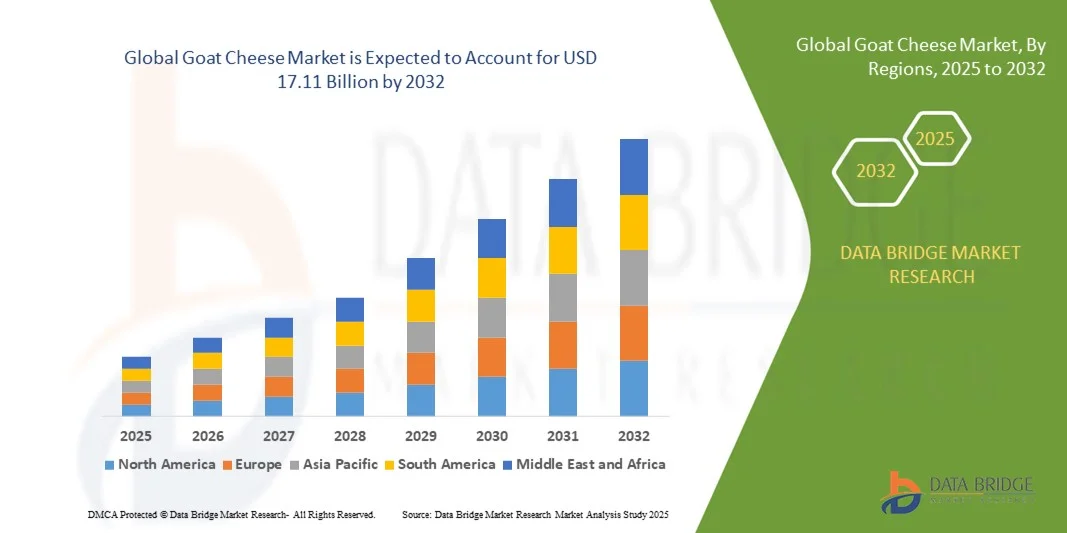
"Keyword Market Summary: According to the latest report published by Data Bridge Market Research, the Goat Cheese Market The global goat cheese market size was valued at USD 11.32 billion in 2024 and is expected to reach USD 17.11 billion by 2032, at a CAGR of 5.30% during the forecast period This Goat Cheese Market document encompasses several market...
" According to the latest report published by Data Bridge Market Research, the G-CSF/PEG-G-CSF Market Data Bridge Market Research analyzes that the global G-CSF/ PEG-G-CSF market is expected to reach the value of USD 5,685.40 million by 2030, at a CAGR of 5.5% during the forecast period. This market report also covers pricing analysis, patent analysis, and technological advancements...