Hygiene Products: Building a Safer Healthcare Environment

Creating a safe healthcare environment goes beyond providing quality medical treatment. Every hospital, clinic, nursing home, and healthcare facility must maintain high standards of cleanliness to protect patients, healthcare professionals, and visitors from the spread of infections. This is where hygiene products play a vital role. From hand hygiene and surface disinfection to waste management and personal protective equipment (PPE), these essential products support infection control and help create healthier spaces for patient care.
As healthcare facilities continue to manage growing patient numbers and evolving health challenges, maintaining consistent hygiene standards has become more important than ever. The right hygiene products, combined with effective infection control practices, help reduce healthcare-associated infections (HAIs), improve patient confidence, and contribute to better clinical outcomes.
Why a Safe Healthcare Environment Matters
Healthcare environments are unique because they bring together patients with different medical conditions, healthcare workers, caregivers, and visitors under one roof. This constant movement increases the possibility of bacteria, viruses, and other harmful microorganisms spreading if proper hygiene measures are not followed.
Patients recovering from surgery, receiving ongoing treatment, or living with weakened immune systems are particularly vulnerable to infections. Even routine activities, such as examining patients or handling medical equipment, can contribute to cross-contamination when hygiene protocols are overlooked.
Maintaining a safe healthcare environment protects everyone within the facility while supporting efficient healthcare delivery and improving overall patient wellbeing.
The Role of Hygiene Products in Infection Control
Effective infection control depends on the availability and proper use of reliable hygiene products. These products help eliminate harmful microorganisms, maintain clean surroundings, and reduce the risk of contamination throughout healthcare facilities.
Common hygiene products used every day include:
- Alcohol-based hand sanitisers
- Liquid antibacterial hand soaps
- Surface disinfectants
- Disinfectant cleaning wipes
- Disposable gloves
- Face masks and protective gowns
- Clinical waste disposal bags
- Paper towels and dispenser systems
Each product supports a different aspect of infection prevention, creating multiple layers of protection that contribute to safer patient care.
Hand Hygiene: A Simple Habit That Saves Lives
Hand hygiene is one of the most effective ways to prevent infections in healthcare settings. Doctors, nurses, and other healthcare professionals regularly interact with patients, medical equipment, and shared surfaces throughout the day, making proper hand cleaning essential.
Washing hands with soap and water or using alcohol-based hand sanitisers before and after patient contact significantly reduces the transfer of harmful microorganisms. Providing conveniently located hand hygiene stations throughout healthcare facilities encourages regular use by both staff and visitors.
Reliable hand hygiene products make it easier for healthcare organisations to maintain consistent infection prevention practices.
Maintaining Clean Clinical Environments
Healthcare facilities contain many high-touch surfaces that require frequent cleaning and disinfection. Examination tables, bed rails, waiting room chairs, door handles, reception desks, and medical equipment can all become sources of contamination if not cleaned regularly.
Using healthcare-grade hygiene products ensures these surfaces are effectively disinfected while supporting established cleaning protocols. Regular environmental cleaning reduces cross-contamination and helps maintain safe treatment areas where patients can receive care with confidence.
Clean healthcare environments also create a positive impression, reassuring patients that their safety is a top priority.
Personal Protective Equipment Supports Healthcare Workers
Personal protective equipment (PPE) is another essential component of maintaining a safer healthcare environment. Gloves, masks, protective gowns, and eye protection help reduce direct exposure to infectious materials during patient care and medical procedures.
However, PPE works best when combined with proper hygiene practices. Hand hygiene before and after wearing gloves, safe disposal of used protective equipment, and regular staff training all contribute to stronger infection control measures.
Together, PPE and quality hygiene products provide comprehensive protection for healthcare teams and patients alike.
Building a Culture of Hygiene
Creating a safer healthcare environment requires more than simply supplying hygiene products. It also depends on fostering a workplace culture where infection prevention is everyone's responsibility.
Healthcare organisations can strengthen this culture by:
- Providing regular infection control training.
- Encouraging proper hand hygiene at every opportunity.
- Following scheduled cleaning and disinfection procedures.
- Monitoring hygiene compliance across departments.
- Ensuring hygiene products are always available.
- Promoting teamwork and accountability in maintaining clean environments.
When hygiene becomes part of everyday practice, healthcare facilities are better equipped to reduce infection risks and deliver high-quality patient care.
Choosing Quality Hygiene Products
Not all hygiene products are designed to meet the demands of healthcare environments. Selecting dependable products is essential for maintaining consistent hygiene standards and supporting effective infection control.
Medguard Healthcare supplies a comprehensive range of hygiene products for hospitals, clinics, care homes, and other healthcare facilities. From hand hygiene solutions and surface disinfectants to personal protective equipment and clinical essentials, Medguard Healthcare helps healthcare providers maintain clean, safe, and efficient environments where patients receive quality care.
Working with a trusted supplier also ensures reliable product availability, allowing healthcare facilities to maintain uninterrupted hygiene practices every day.
Looking Ahead
The future of healthcare will continue to focus on patient safety, quality care, and effective infection prevention. While medical technology continues to advance, maintaining clean environments through reliable hygiene practices will remain one of the most important ways to protect patients and healthcare professionals.
Investing in quality hygiene products is a practical step towards building safer healthcare environments. Combined with staff training, routine cleaning, and well-established infection control procedures, these products help reduce risks, improve patient confidence, and support better healthcare outcomes.
Conclusion
Building a safer healthcare environment requires commitment, consistency, and the right resources. Every aspect of infection prevention, from hand hygiene and environmental cleaning to PPE and waste management, depends on the effective use of high-quality hygiene products.
With trusted solutions from Medguard Healthcare, healthcare organisations can strengthen their infection control strategies, protect patients and staff, and create cleaner, healthier environments where safe, high-quality care is delivered every day.
Original Source: https://ecomotion.ae/supporting-safer-healthcare-through-infection-control/
Categorias
Leia mais
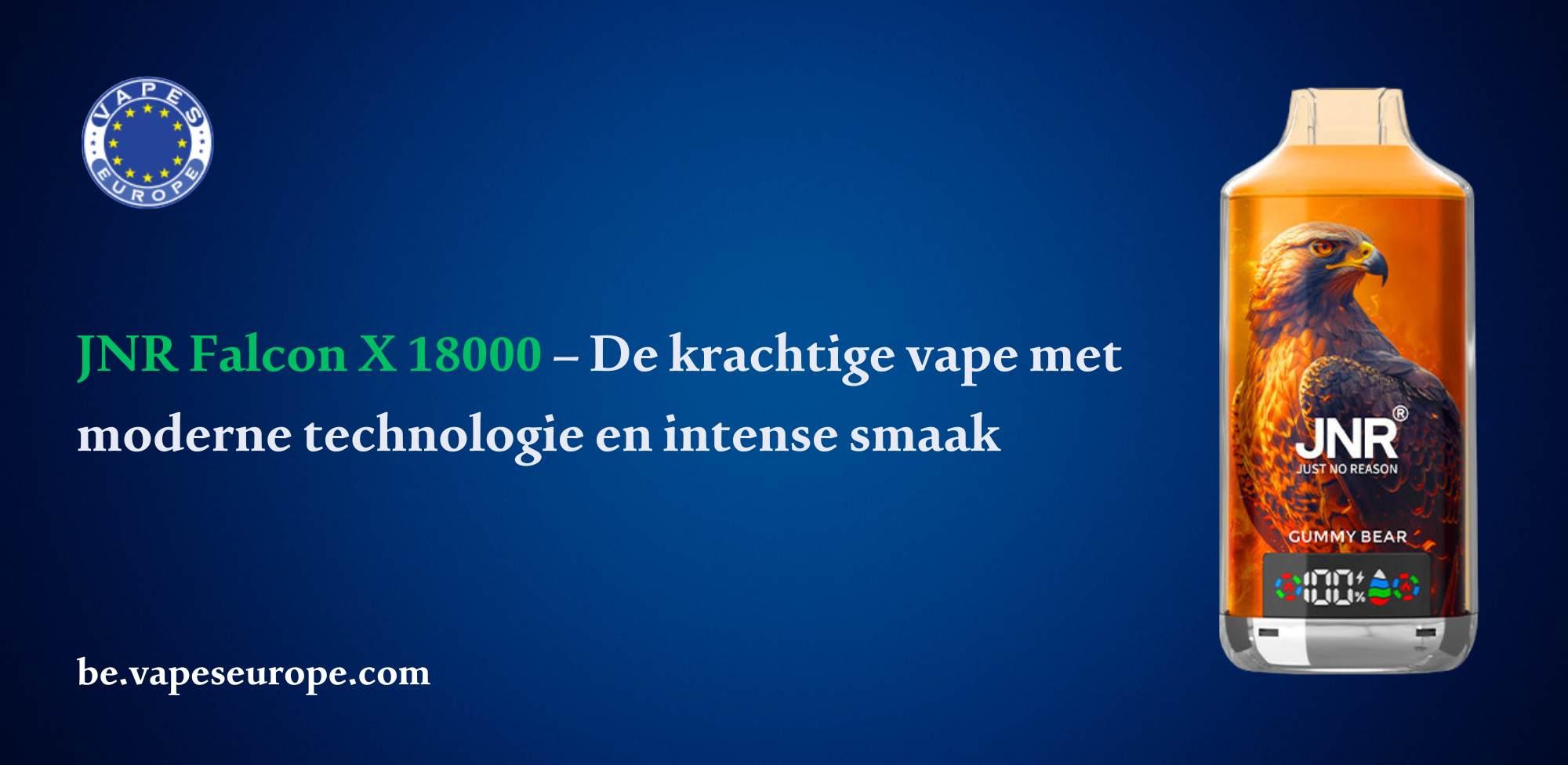
De wereld van vapes verandert razendsnel. Moderne apparaten bieden tegenwoordig meer prestaties, langere gebruiksduur en intensere smaken dan ooit tevoren. Vooral high-puff apparaten worden steeds populairder bij gebruikers die op zoek zijn naar comfort, sterke batterijen en een langdurige vape-ervaring. Binnen deze categorie heeft de JNR Falcon X 18000 veel aandacht gekregen. Zoekwoorden...
Green cardamom, commonly known as sabz elaichi or choti elaichi, is one of the most valuable and widely used spices in Pakistan. Its strong aroma and unique flavor make it an essential ingredient in tea, desserts, and traditional dishes. Due to its premium nature and import dependency, many people frequently search for green cardamom price in Pakistan to stay updated with current market trends....

The upcoming clash between the United States national cricket team and the Netherlands national cricket team is drawing strong attention from cricket followers and online bettors alike. Both teams have shown competitive form in recent limited-overs matches, making this fixture especially interesting for prediction analysis and betting strategy. If you’re planning to...

Your eyes are one of the most important organs in your body. They help you see the world, read information, recognize faces, and stay aware of your surroundings. Without good vision, everyday activities can become difficult. That is why maintaining good eye Health is essential for a comfortable and independent life. In today’s digital world, eye strain and vision...

A-Level Computer Science is a demanding subject that requires strong logical thinking, problem-solving skills, and a clear understanding of both theory and programming. Many students struggle with topics such as algorithms, data structures, computational thinking, databases, networking, and software development. This is why working with a Computer Science Tutor in the UK in the first stage...