


The Evolving and Innovative Trends Shaping the Neuromorphic Computing Market's Future

A Market Transitioning from Theory to Practice
The neuromorphic computing market is rapidly evolving beyond its academic origins, with a host of new trends signaling a decisive shift from pure research towards early commercialization and real-world application. While the foundational principles of brain-inspired computing remain constant, the strategies for implementing and deploying this technology are becoming more pragmatic and user-focused. The most significant Neuromorphic Computing Market Trends show a move away from building monolithic, standalone "brain chips" and towards creating hybrid systems, a stronger focus on solving the critical software challenge, and the development of full-stack solutions that make the technology more accessible. These trends are all geared towards bridging the gap between the immense potential of neuromorphic hardware and the practical needs of today's AI developers and end-users. For stakeholders in the industry, tracking these developments is crucial for understanding how neuromorphic computing is moving out of the laboratory and onto a tangible path towards becoming a commercially viable and disruptive technology.
The Rise of Hybrid Architectures and Neuromorphic Co-processors
One of the most important pragmatic trends in the market is the move towards hybrid computing architectures. Instead of aiming to replace traditional CPUs and GPUs entirely, many developers are now designing neuromorphic chips to function as specialized co-processors or accelerators. In this model, a conventional processor handles the general-purpose computing tasks and overall system management, while the neuromorphic chip is called upon to perform the specific tasks it excels at, such as processing real-time sensor data or running spiking neural networks. This hybrid approach offers the best of both worlds, combining the flexibility and mature software ecosystem of traditional computing with the extreme efficiency of neuromorphic processing for specialized AI workloads. Companies like BrainChip, with its Akida processor, are explicitly marketing their technology as an event-driven neural processor that can be easily integrated into existing systems-on-a-chip (SoCs). This trend significantly lowers the barrier to adoption, as companies can add neuromorphic capabilities to their existing products without having to redesign their entire system architecture from scratch.
A Critical Focus on Software, Algorithms, and Developer Tools
For years, the primary focus of the neuromorphic field was on designing and fabricating the silicon hardware. Now, a major trend is a massive and much-needed shift in focus towards the software and algorithms. The industry has recognized that even the most powerful brain-inspired chip is useless if no one knows how to program it. This has led to a surge in the development of Software Development Kits (SDKs), APIs, and compilers designed to make neuromorphic programming more accessible. Companies like Intel are building extensive software libraries and frameworks for their Loihi chips, allowing developers to work at a higher level of abstraction. There is also a growing trend of creating tools that can automatically convert traditional Artificial Neural Networks (ANNs), which are widely understood, into the more efficient Spiking Neural Networks (SNNs) that run on neuromorphic hardware. This provides an easier on-ramp for the vast community of existing AI developers. This "software-first" mindset is a critical trend for market maturation, as a robust and user-friendly software ecosystem is the key to unlocking widespread developer adoption and innovation.
The Emergence of Full-Stack Solutions and Cloud Access
As the technology matures, a key trend is the move away from selling just bare-metal chips and towards offering full-stack solutions. This means vendors are providing not just the neuromorphic processor, but a complete package that includes the hardware, the SDK, a library of pre-trained SNN models for common applications (like keyword spotting or object detection), and reference designs to help customers integrate the technology into their products more quickly. This full-stack approach dramatically reduces the development time and expertise required for a customer to get a product to market. Another fascinating trend aimed at broadening access is the provision of neuromorphic computing in the cloud. Leading research platforms, like Intel's Neuromorphic Research Cloud, allow developers and researchers from around the world to experiment with and develop algorithms for large-scale neuromorphic systems without needing to physically own the hardware. This cloud-based access is accelerating research, fostering a global community of developers, and allowing for the benchmarking and testing of new ideas at a scale that was previously impossible, creating a virtuous cycle of community-driven innovation.
Explore More Like This in Our Reports:
Agent Based Modeling Software Market
Nach Verein filtern
Read More
According to the latest report published by Data Bridge Market Research, the Consumer Chemical Packaging Market The global consumer chemical packaging market size was valued at USD 86.39 billion in 2024 and is projected to reach USD 119.14 billion by 2032, with a CAGR of 4.10 % during the forecast period of 2025 to 2032. Global Consumer Chemical Packaging Market report analyses...

SSL Certificate Security Concerns: Vulnerabilities in Domain Verification Security experts have raised significant concerns about the verification processes used by Certificate Authorities (CAs) when issuing SSL certificates. Recent investigations reveal alarming flaws in the system designed to protect our online communications. A security researcher with extensive background in Linux...

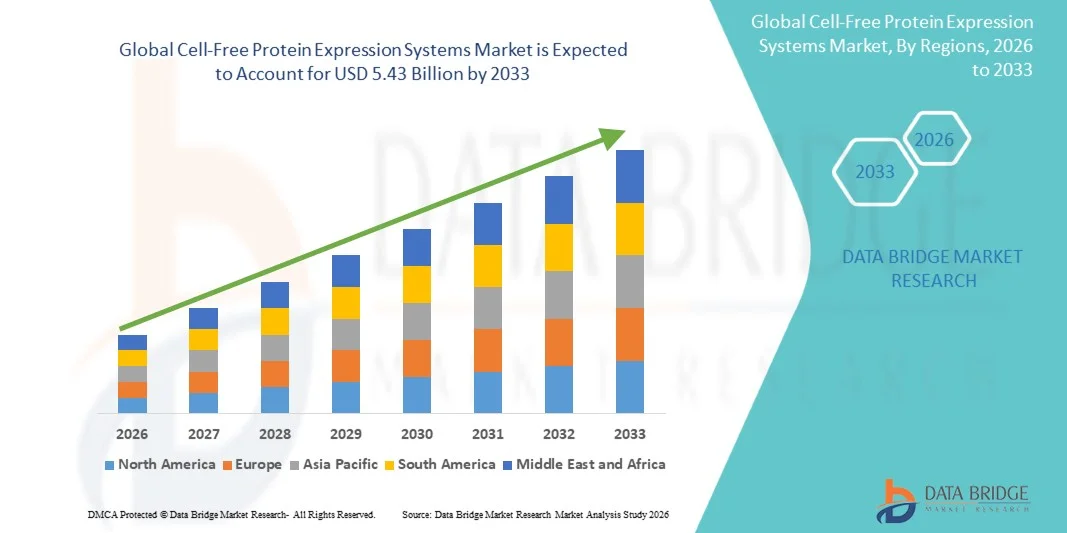
Cell-Free Protein Expression Systems Market According to the latest report published by Data Bridge Market Research, the Cell-Free Protein Expression Systems Market The global cell-free protein expression systems market size was valued at USD 1.38 billion in 2025 and is expected to reach USD 5.43 billion by 2033, at a CAGR of 18.70% during the...
Link: https://cricbets99id.com/cricbet99-bet/ In today’s digital world, sports lovers are constantly looking for more engaging and interactive ways to enjoy their favorite matches. Cricbet99 Bet has emerged as a smart online destination for users who love strategy-based sports entertainment, excitement, and real-time interaction. Unlike traditional online platforms, Cricbet99 Bet focuses...

Thunder Metal-Elektroschadensteiger Der Thunder Metal-Leitfaden in Zenless Zone Zero bietet eine wichtige Ausrüstung für Agenten mit dem Attribut „elektrisch“. Diese spezielle Drive-Disc erhöht den Elektro-Schaden, was zu einer verbesserten Leistung der Fähigkeiten und Angriffe führt. Durch den erhöhten Schaden treffen Angriffe präziser und mit...