Eye Health: A Complete Guide to Protecting Your Vision and Keeping Your Eyes Healthy
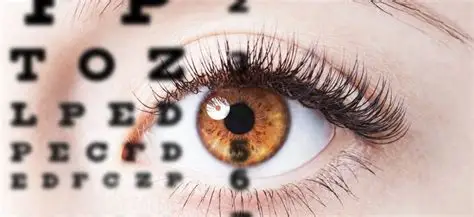
Your eyes help you experience the world every day. Whether you're reading a book, driving a car, working on a computer, or enjoying a beautiful sunset, healthy vision plays a vital role in your daily life. Taking care of your Eye Health is one of the best ways to maintain clear vision, reduce eye strain, and support your overall well-being.
Modern lifestyles expose our eyes to many challenges. Long hours in front of digital screens, limited outdoor time, poor nutrition, lack of sleep, and environmental pollution can all affect eye comfort and vision. Although some changes in eyesight occur naturally with age, many eye problems can be prevented or managed through healthy habits and regular eye care.
The good news is that protecting your eyes doesn't require complicated routines. Simple lifestyle choices, balanced nutrition, proper rest, and routine eye examinations can help preserve healthy vision for years to come. This guide explains how your eyes work, common vision problems, healthy daily habits, nutrition, and practical tips for maintaining lifelong eye health.
Understanding How Your Eyes Work
The eyes are complex organs that work together with the brain to help you see. Light enters through the front of the eye, passes through the lens, and reaches the retina at the back of the eye. The retina converts light into signals that travel through the optic nerve to the brain, where images are formed.
Every part of the eye plays an important role in maintaining clear vision. Keeping these structures healthy is essential for preserving good Eye Health throughout life.
Why Eye Health Matters
Healthy vision allows you to perform daily activities safely and comfortably. Good eyesight supports learning, working, driving, sports, and social interactions.
Maintaining Eye Health offers several benefits:
- Clear and comfortable vision
- Better focus during daily activities
- Reduced eye strain
- Improved work productivity
- Greater independence
- Better quality of life
- Early detection of eye conditions
- Long-term vision protection
Taking preventive steps today can help reduce the risk of vision problems later in life.
Common Eye Problems
Understanding common eye conditions helps you recognize symptoms early.
Digital Eye Strain
Long periods of computer or smartphone use may cause tired eyes.
Common symptoms include:
- Dry eyes
- Blurred vision
- Headaches
- Eye fatigue
- Neck and shoulder discomfort
Dry Eyes
Dry eyes occur when the eyes do not produce enough tears or when tears evaporate too quickly.
Symptoms may include:
- Burning sensation
- Redness
- Irritation
- Blurred vision
- Sensitivity to light
Cataracts
A cataract develops when the natural lens of the eye becomes cloudy, leading to blurred or dim vision. Cataracts become more common with age.
Glaucoma
Glaucoma involves damage to the optic nerve, often related to increased pressure inside the eye. Early stages may not produce noticeable symptoms, making routine eye examinations especially important.
Age-Related Vision Changes
As people grow older, focusing on nearby objects may become more difficult. Regular eye care helps monitor these changes.
Eat Foods That Support Eye Health
Nutrition plays an important role in maintaining healthy vision.
Leafy Green Vegetables
Vegetables such as spinach, kale, and broccoli provide nutrients that support healthy eyes.
Colorful Fruits
Fresh fruits contain antioxidants that help protect eye tissues.
Healthy options include:
- Oranges
- Blueberries
- Strawberries
- Kiwi
- Grapes
Fish
Fish provides nutrients that support normal eye function.
Nuts and Seeds
Almonds, walnuts, sunflower seeds, and flaxseeds provide healthy fats and vitamin E.
Eggs
Eggs contain nutrients that contribute to healthy vision.
A balanced diet supports overall Eye Health while benefiting your entire body.
Stay Hydrated
Water helps maintain healthy tear production and supports overall body function.
Drink water regularly throughout the day, especially during hot weather or extended screen use.
Protect Your Eyes from Digital Screens
Many people spend several hours each day using computers, tablets, and smartphones.
To reduce digital eye strain:
- Take regular breaks.
- Blink more often.
- Adjust screen brightness.
- Maintain proper viewing distance.
- Use adequate room lighting.
These simple habits can improve comfort during screen use.
Wear Protective Eyewear
Protective eyewear reduces the risk of eye injuries during sports, construction work, gardening, and certain hobbies.
Sunglasses that block harmful ultraviolet (UV) rays also help protect your eyes during outdoor activities.
Get Enough Sleep
Quality sleep allows your eyes to rest and recover with OptiVell.
Adults should aim for seven to nine hours of sleep each night.
Good sleep supports:
- Comfortable vision
- Reduced eye fatigue
- Better concentration
- Overall wellness
Exercise Regularly
Regular physical activity supports healthy blood circulation throughout the body, including the eyes.
Healthy exercise options include:
- Walking
- Swimming
- Cycling
- Yoga
- Strength training
Exercise also supports heart health, which contributes to healthy circulation for the eyes.
Avoid Smoking
Smoking may increase the risk of several eye conditions while affecting overall health.
Quitting smoking benefits your eyes as well as your heart, lungs, and blood vessels.
Schedule Regular Eye Examinations
Routine eye examinations are important, even if your vision seems normal.
Regular checkups may help identify:
- Vision changes
- Eye pressure
- Early signs of eye disease
- Changes related to aging
Early detection often improves treatment outcomes.
Warning Signs You Should Never Ignore
Seek professional evaluation if you experience:
- Sudden vision loss
- Persistent blurred vision
- Eye pain
- Flashing lights
- Double vision
- Severe redness
- Floaters that appear suddenly
- Persistent headaches with vision changes
Prompt attention may help protect your eyesight.
Daily Habits for Healthy Eyes
Simple daily routines can make a significant difference.
- Eat a balanced diet.
- Wear sunglasses outdoors.
- Stay hydrated.
- Take screen breaks.
- Sleep well.
- Exercise regularly.
- Avoid smoking.
- Protect your eyes during risky activities.
- Schedule routine eye examinations.
Consistency is the key to maintaining healthy vision.
Common Myths About Eye Health
Myth 1: Wearing Glasses Makes Vision Worse
Glasses simply correct vision and do not weaken the eyes.
Myth 2: Eye Problems Only Affect Older Adults
People of all ages can experience eye conditions.
Myth 3: Carrots Alone Can Protect Vision
Carrots are healthy, but a balanced diet provides a wider range of nutrients for eye health.
Myth 4: If You Can See Clearly, You Don't Need Eye Exams
Many eye conditions develop without early symptoms.
Eye Care for Children
Healthy vision supports learning and development.
Parents can help by encouraging:
- Outdoor play
- Balanced nutrition
- Limited recreational screen time
- Protective eyewear during sports
- Regular eye checkups
Early care helps support healthy vision throughout childhood and adulthood.
Final Thoughts
Maintaining good Eye Health is one of the best investments you can make for your long-term well-being. Healthy eyes allow you to enjoy everyday experiences, work efficiently, and stay independent throughout life. By eating nutritious foods, protecting your eyes from harmful sunlight and digital strain, staying physically active, getting enough sleep, and scheduling regular eye examinations, you can help preserve your vision for years to come.
Remember that small daily habits often have the greatest long-term impact. Caring for your eyes today can support clearer vision, greater comfort, and a healthier future for the years ahead.
Categorieën
Read More
With Solve Zone's custom answers for NMIMS Solved Assignment Dec 2025, you can unlock the door to academic success! As a top student at NMIMS University, if you're looking for a way to improve your assignments, you don't need to look any further. Just get in touch with Solve Zone for the best help at the best prices. The Benefits of Purchasing NMIMS Solved Assignments from Solve Zone: Made...

Get ready for the exciting arrival of the latest Pokémon Trading Card Game expansion, Eevee Grove, which launches later this week. To celebrate this launch, a special Twitch event is set to take place starting June 26, 2025. During this event, seven popular Pokémon content creators will be live streaming throughout the day, offering fans a chance to join the fun. To participate,...

If you are searching for the best certified Rudraksha mala online, the most important factor is authenticity. A genuine and certified Rudraksha mala ensures that you receive natural, untreated beads with real spiritual significance. Whether you are buying a 5 Mukhi Rudraksha Mala for meditation or planning to buy 10 Mukhi Rudraksha Mala for protection and positivity, choosing a trusted source...

Patients seeking modern skin rejuvenation solutions are increasingly turning toward advanced laser technologies that deliver visible results without harsh downtime. Among these innovations, one treatment has gained exceptional popularity for its precision, comfort, and transformative outcomes. Many individuals report noticeable improvements in skin clarity, tone, and texture after...

Manufacturing sectors across the world are experiencing rapid transformation with the adoption of digital and automated production technologies. Additive manufacturing has emerged as a groundbreaking innovation that allows companies to produce complex components with high accuracy while reducing material waste. By creating products layer by layer from digital models, manufacturers can achieve...