How Commercial Solar Helps Indian Businesses Reduce Electricity Costs in 2026
Electricity costs continue to rise across India, making energy expenses one of the biggest operational challenges for businesses. From manufacturing units and warehouses to hotels, hospitals, educational institutions, and office buildings, commercial organizations are looking for reliable ways to reduce monthly power bills while improving sustainability. In 2026, commercial solar has become one of the most cost-effective investments for Indian businesses.
A commercial solar power system enables companies to generate their own electricity using rooftop or ground-mounted solar panels. This reduces dependence on grid electricity, lowers operating expenses, and provides long-term financial benefits.
Why Businesses Are Choosing Commercial Solar
The demand for commercial solar installations has increased significantly due to several factors:
-
Rising electricity tariffs across many Indian states
-
Attractive return on investment (ROI)
-
Government support for renewable energy
-
Reduced carbon emissions and ESG compliance
-
Greater energy independence during peak demand
Businesses that consume electricity during daytime working hours benefit the most because solar panels generate maximum power when the sun is strongest.
How Commercial Solar Reduces Electricity Costs
1. Lower Monthly Electricity Bills
A commercial solar system generates electricity directly from sunlight, reducing the amount of power purchased from the grid. Depending on system size and energy consumption, many businesses can reduce electricity bills by 50% to 90%.
For energy-intensive industries, these savings can amount to several lakhs of rupees every year.
2. Protection Against Rising Power Tariffs
Electricity prices generally increase over time. Installing a commercial solar system allows businesses to lock in lower energy costs for 25 years or more, making budgeting easier and protecting profits from future tariff hikes.
3. Net Metering Benefits
Many states in India support net metering, allowing businesses to export excess solar electricity to the grid. The exported energy is credited against future electricity consumption, further reducing monthly utility bills.
This feature maximizes the value of every unit of electricity generated by the solar plant.
4. Faster Return on Investment
Commercial solar systems typically recover their installation cost within 3 to 6 years, depending on electricity usage, location, and local policies. Since solar panels have an expected lifespan of over 25 years, businesses continue enjoying free or low-cost electricity long after the investment is recovered.
Industries That Benefit Most
Commercial solar is suitable for almost every sector, including:
-
Manufacturing industries
-
Factories and industrial units
-
Corporate offices
-
Warehouses and logistics centers
-
Schools and colleges
-
Hospitals
-
Hotels and resorts
-
Shopping malls
-
Retail outlets
-
Commercial buildings
Businesses with large rooftops and high daytime electricity usage generally achieve the highest savings.
Additional Business Benefits
Beyond reducing electricity costs, commercial solar offers several long-term advantages.
Improved Cash Flow: Lower electricity bills reduce operating expenses and increase business profitability.
Low Maintenance: Modern solar systems require minimal maintenance, mainly periodic cleaning and inspections.
Reliable Performance: Quality solar panels continue producing electricity efficiently for decades.
Environmental Responsibility: Switching to solar helps businesses reduce greenhouse gas emissions and strengthen their sustainability commitments.
Better Brand Reputation: Customers, investors, and partners increasingly prefer businesses that adopt clean energy solutions.
Choosing the Right Commercial Solar System
Before installation, businesses should evaluate:
-
Current electricity consumption
-
Available rooftop or land area
-
Roof condition and structural strength
-
Future expansion plans
-
Local net metering regulations
-
Quality of solar panels, inverters, and installation services
Working with an experienced commercial solar provider ensures optimal system design, higher efficiency, and maximum long-term savings.
Conclusion
Commercial solar has become one of the smartest investments for Indian businesses in 2026. By generating clean electricity on-site, companies can significantly reduce monthly electricity costs, protect themselves from rising energy prices, improve sustainability, and achieve an excellent long-term return on investment.
Whether operating a factory, office, warehouse, hotel, hospital, or educational institution, investing in commercial solar helps businesses lower operational costs while building a greener and more profitable future. As electricity demand continues to grow, commercial solar is no longer just an environmental choice—it is a strategic business decision.
Categorieën
Read More
A new teaser for the upcoming mobile AR game Wizards Unite drops a string of magical mayhem into the everyday world.\n Rather than hiding in the wizarding realm, spells and creatures spill into city streets, shops and stadiums — turning the familiar into something uncanny.\n The clip centers on a phenomenon called the Calamity, an event that’s warping the boundary between the...

Hello, I’m Priyanka – your warm and graceful independent companion in Mumbai. I deliver a classy, discreet, and attentive experience, perfect for those who value privacy and comfort. Whether you need a companion for a dinner date, business trip, or just relaxing company, I’m here anytime with full hygiene and professionalism. Let’s create...

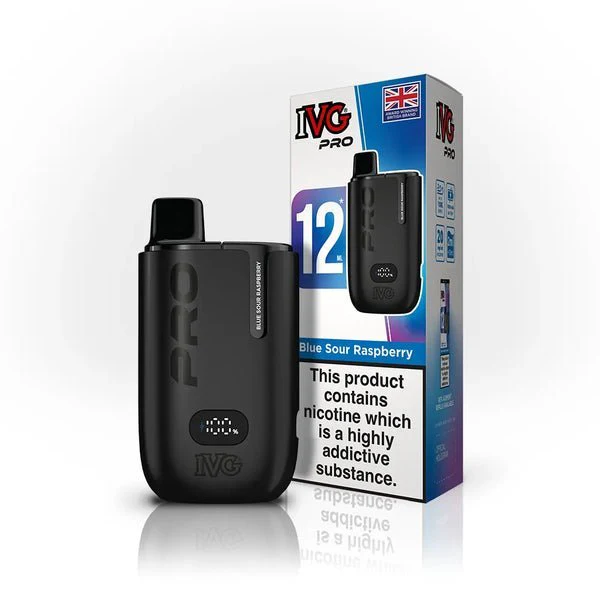
IVG Pro 12 Prefilled Pod Vape Kit: Smooth Pod Performance and Hassle-Free Vaping for Everyday Users Introduction to the IVG Pro 12 Prefilled Pod Vape Kit The vaping industry in the UK continues to shift towards more practical and user-friendly pod systems, and the ivg pro 12 has quickly become a popular option among adult vapers. Designed for convenience, flavour consistency, and reliable...
Go99 App: Trải Nghiệm Game Cực Đỉnh Và Nhà Cái Tin Cậy Cho Người ChơiGo99 app đang trở thành một trong những ứng dụng hot nhất trong cộng đồng game thủ và người chơi cá cược trực tuyến tại Việt Nam. Với giao diện thân thiện và dễ sử dụng, Go99 không chỉ mang đến những trải nghiệm game tuyệt vời mà còn cung cấp cho người...

Streetwear has become one of the most powerful influences in modern fashion, changing the way people view everyday clothing. Today, fashion lovers are searching for brands that combine style, comfort, and individuality. Syna World has gained popularity in the streetwear community by offering designs that represent confidence, creativity, and the energy of modern urban culture. A Brand That...