Ear Health: Simple Ways to Protect Your Hearing and Improve Wellness
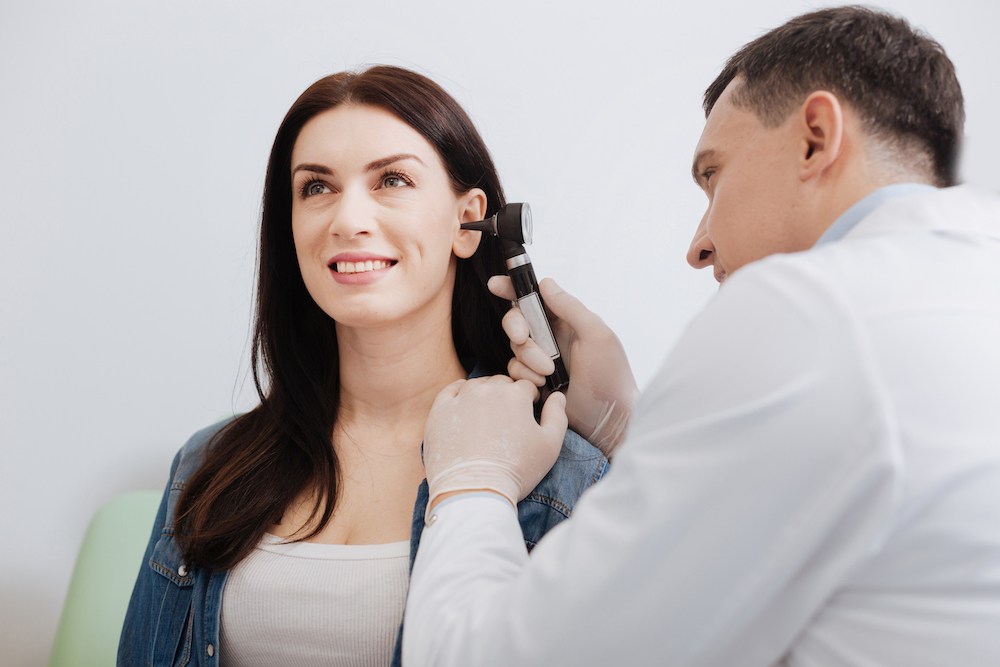
Our ears are one of the most valuable parts of the human body. They help us communicate, enjoy sounds, maintain balance, and stay connected with the world around us. From listening to conversations with loved ones to enjoying music and being aware of our surroundings, hearing plays an important role in everyday life.
Many people take their ears for granted until they notice a problem. However, caring for your ears regularly can help maintain better hearing and comfort throughout life. Good ear health is not only about hearing clearly; it also involves protecting the delicate structures inside the ear that help with balance and communication.
The ears are constantly exposed to different environments, sounds, and daily activities. Developing healthy habits and understanding how to care for them can support long-term wellness and help protect one of the body’s most important senses.
What Is Ear Health?
Ear health refers to the overall condition and proper functioning of the ears. Healthy ears allow sound to travel effectively from the outside environment to the brain while also supporting body balance.
The ear is divided into three main sections: the outer ear, middle ear, and inner ear. The outer ear collects sound waves, the middle ear transfers sound vibrations, and the inner ear changes those vibrations into signals that the brain can understand.
The inner ear also contains structures that help control balance and body movement. This means the ears are responsible for much more than hearing alone.
Maintaining good ear health requires protecting these sensitive areas from damage, practicing safe cleaning habits, and paying attention to changes in hearing or comfort.
Why Healthy Ears Are Important
Hearing allows people to communicate effectively, learn new information, and enjoy daily experiences. Good hearing ability supports relationships, workplace activities, and social interactions.
The ears also help people maintain stability and coordination. The balance system inside the inner ear works with the brain and muscles to help the body understand movement and position.
Because hearing and balance are connected, taking care of your ears is an important part of maintaining overall physical wellness.
Common Causes That Can Affect Ear Function
Several everyday factors can influence how well the ears work. Understanding these factors can help people make better choices.
Loud Noise Exposure
One of the biggest challenges for hearing is exposure to loud sounds. Events, construction areas, traffic noise, and high-volume headphones can place stress on the ears.
Repeated exposure to loud sounds may affect the sensitive structures responsible for hearing. Reducing volume levels, taking breaks, and protecting the ears in noisy environments are simple ways to support better hearing.
Unsafe Cleaning Practices
Many people try to clean their ears using objects that may cause irritation or injury. The ear has a natural cleaning process that helps remove unwanted material.
Cleaning only the outer part of the ear and avoiding unnecessary interference can help maintain a healthy environment inside the ear.
Lifestyle Factors
Overall lifestyle choices can also influence ear health. Poor sleep, high stress, and an unhealthy routine may affect the body’s ability to function properly.
Maintaining a balanced lifestyle supports the body’s natural systems, including those involved in hearing and balance.
Age-Related Changes
Hearing can naturally change as people grow older. These changes may happen gradually, which is why paying attention to hearing ability and communication difficulties is important.
Healthy habits throughout life can help support better hearing at different ages.
Daily Habits to Support Better Ear Care
Taking care of your ears does not have to be complicated. Simple routines can help protect hearing and maintain comfort.
Keep the Ears Clean Safely
The outer ear can be cleaned gently with normal hygiene practices. However, inserting objects deep into the ear canal may cause problems.
The ear produces natural substances that help protect and maintain the ear canal. Allowing this process to work while keeping the outside clean is usually the safest approach.
Control Sound Levels
Modern devices make it easy to listen to music, watch videos, and communicate online. However, using high volume for long periods may affect hearing.
Keeping sound levels comfortable and taking regular listening breaks can help reduce unnecessary stress on the ears.
Protect Your Ears in Noisy Places
People who spend time in loud environments should take extra precautions. Wearing suitable protection and limiting exposure time can help reduce the impact of excessive noise.
Small protective steps can make a big difference over time.
Maintain Overall Wellness
A healthy body supports healthy functions. Eating nutritious foods, staying active, drinking enough water, and getting quality sleep can contribute to better overall wellness.
A balanced lifestyle supports many body systems, including those responsible for hearing and balance.
Nutrition and Ear Wellness
The food we eat provides the body with important nutrients needed for daily functions. A balanced diet supports overall health and helps the body maintain normal processes.
Including a variety of foods such as vegetables, fruits, whole grains, proteins, and healthy fats can support general wellness.
There is no single food that guarantees perfect hearing, but a consistent and nutritious eating pattern can help support the body’s natural abilities.
The Impact of Technology on Hearing
Technology has changed how people experience sound. Smartphones, headphones, and entertainment systems are now part of everyday routines.
While these devices provide convenience and enjoyment, responsible use is important. Listening at reasonable volumes, avoiding extremely loud settings, and giving the ears time to rest are helpful habits.
Creating healthy technology habits can allow people to enjoy digital entertainment while still caring for their hearing.
Ear Care at Different Ages
Ear care is important for everyone. Children depend on hearing for language development, learning, and communication. Adults rely on hearing for personal and professional activities.
As people age, maintaining awareness of hearing changes becomes increasingly important. Regular attention to ear health can help people stay connected and active.
Teaching children safe listening habits early can create lifelong awareness about protecting their ears.
Signs That Your Ears Need Attention
The body often provides signs when something requires care. Changes in hearing, unusual sounds, discomfort, or balance difficulties should be taken seriously.
Temporary changes may happen occasionally, but ongoing concerns should be discussed with a qualified healthcare professional.
Being aware of these signs can help people take appropriate steps and maintain better hearing wellness.
Simple Tips for Long-Term Ear Protection
Building good habits is the best way to support lifelong ear care. Helpful practices include:
- Avoiding unnecessary exposure to loud sounds
- Keeping device volume at a comfortable level
- Taking breaks from headphones
- Cleaning ears safely
- Maintaining a healthy lifestyle
- Getting enough sleep
- Managing stress effectively
- Paying attention to changes in hearing
Small actions performed consistently can help protect the ears and support better daily comfort.
Final Thoughts
The ears are essential for hearing, communication, and balance. Taking care of them through safe habits, healthy lifestyle choices, and regular awareness can help maintain their function for years to come.
Ear care should be a normal part of personal wellness, just like maintaining a healthy diet or staying physically active. Protecting your ears today can help you continue enjoying conversations, sounds, and experiences in the future.
By understanding the importance of ear health and following simple care practices, you can support your hearing and overall quality of life.
this product is very helpful for this problem.
Κατηγορίες
Διαβάζω περισσότερα
Not every SEO effort works. That’s the truth. You try things. Add links. Post content. Wait. Nothing happens. Then suddenly, one small change starts pulling traffic like crazy. Strange, right? That’s because not all actions carry the same weight. Some things just sit there. Others move everything. And honestly, most people don’t notice the difference at first. They keep doing...

Body contouring has become one of the most sought-after aesthetic procedures for individuals looking to sculpt their bodies and achieve a toned, proportionate silhouette. With advances in technology and medical expertise, there are now multiple options available to help reduce stubborn fat, tighten loose skin, and enhance body confidence. Understanding Body Contouring Body contouring is not...

Keyword Market Summary: According to the latest report published by Data Bridge Market Research, the Biopharmaceuticals Manufacturing Consumables Testing Market The global biopharmaceuticals manufacturing consumables testing market size was valued at USD 714.47 million in 2025 and is expected to reach USD 1,800.84 million by 2033, at a CAGR of...
A leather office chair plays a bigger role in daily productivity than most people realise. The right choice supports posture, reduces physical strain, and helps maintain focus throughout long working hours. Below is a practical, easy-to-scan guide using short sections, clear bullets, and quick explanations. Daily Sitting Habits Come First Before looking at styles or finishes, think about how...
Plano, Texas, has quickly grown into a thriving hub for businesses, startups, and enterprises looking to innovate and expand. As competition increases across industries, companies in Plano are realizing that traditional marketing alone is no longer enough. To stay visible, relevant, and profitable, businesses must embrace Digital Marketing Services in Plano Texas as a core growth...