Weight Loss: Simple Ways to Build a Healthier Lifestyle
A healthy body helps people enjoy daily activities, maintain energy, and live a more active life. Many people want to improve their fitness, feel better, and develop habits that support long-term wellness. Achieving a healthier body is not only about changing appearance; it is also about improving strength, confidence, and overall quality of life.
Weight loss is a journey that requires patience, consistency, and a balanced approach. Instead of depending on quick solutions, creating healthy daily habits can help people achieve lasting improvements. A combination of nutritious food choices, regular physical activity, proper sleep, and stress management can support a healthier lifestyle.
Every person has unique needs, goals, and challenges. Understanding the basic principles of healthy weight management can help individuals make better decisions and create routines that fit their everyday lives.
Understanding Weight Management
Body weight is affected by many factors, including eating habits, physical activity, genetics, sleep quality, stress levels, and lifestyle choices. The body requires energy from food to perform essential functions and support movement.
When the body receives more energy than it uses, extra energy may be stored. Creating a healthier balance between food intake and daily activity can support gradual improvements.
A healthy approach focuses on long-term lifestyle changes instead of temporary methods. Small changes made consistently are often easier to maintain and can create meaningful results over time.
Why Maintaining a Healthy Weight Matters
A balanced body weight can support better movement, energy, and overall comfort. When people take care of their health, they often feel more confident and capable of handling daily activities.
Healthy habits can also improve other areas of life. Eating nutritious meals, staying active, and getting enough rest can support both physical and mental wellness.
The goal should be to develop a healthier lifestyle rather than focusing only on quick changes. A positive relationship with food, exercise, and personal health creates better long-term outcomes.
Common Challenges During Weight Management
Many people experience obstacles while trying to improve their health. Recognizing these challenges can help create practical solutions.
Poor Eating Habits
Food choices have a major influence on overall wellness. Frequent consumption of processed foods, sugary drinks, and oversized portions may make it difficult to maintain balance.
A healthy eating pattern does not mean avoiding all enjoyable foods. Instead, it means making smarter choices and including a variety of nutritious foods.
Limited Physical Activity
Busy schedules and modern lifestyles often reduce daily movement. Spending too much time sitting can affect fitness and energy levels.
Exercise does not need to be complicated or extreme. Simple activities such as walking, stretching, cycling, or swimming can help support a more active lifestyle.
Stress and Emotional Eating
Emotions can influence eating habits. Some people may eat more during periods of stress, boredom, or tiredness.
Finding healthy ways to manage emotions can support better choices. Relaxation activities, hobbies, meditation, and spending time with loved ones can help create balance.
Unrealistic Expectations
Many people expect immediate results and become discouraged when progress is slow. Healthy changes usually take time.
Setting realistic goals and focusing on daily improvements can make the journey easier and more rewarding.
The Role of Nutrition in a Healthy Lifestyle
Nutrition plays an important role in supporting the body. The food people eat provides energy and nutrients needed for daily activities.
A balanced diet should include vegetables, fruits, whole grains, proteins, and healthy fats. These foods help support normal body functions and overall wellness.
Instead of focusing only on reducing calories, it is important to focus on food quality. Choosing nutritious options helps the body receive the support it needs.
Importance of Portion Awareness
Portion control is an important part of balanced eating. Eating suitable amounts allows people to enjoy meals while maintaining healthier habits.
Simple practices such as eating slowly, listening to hunger signals, and avoiding distractions during meals can improve awareness of eating patterns.
Making Better Food Choices
Small changes can create big improvements over time. Choosing healthier snacks, adding more vegetables to meals, and reducing highly processed foods are simple steps toward better nutrition.
A balanced approach is easier to maintain than strict rules that feel difficult to follow.
Exercise and Physical Activity
Regular movement supports a healthy body and improves overall fitness. Physical activity helps maintain strength, flexibility, and energy.
Different forms of exercise provide different benefits. Walking supports daily movement, strength training helps maintain muscles, and stretching improves flexibility.
The most effective exercise routine is one that fits personal preferences and can be continued regularly. Enjoying physical activity makes it easier to stay consistent.
The Importance of Quality Sleep
Sleep is an essential part of a healthy lifestyle. The body uses rest time to recover, restore energy, and prepare for daily activities.
Poor sleep habits can affect mood, concentration, and motivation. Creating a consistent bedtime routine and maintaining healthy sleep habits can improve overall wellness.
A balanced lifestyle includes both activity and proper recovery.
Managing Stress Effectively
Stress can affect many areas of life, including eating habits and motivation. Learning healthy ways to manage stress can support better lifestyle choices.
Helpful stress management techniques include:
- Practicing relaxation exercises
- Spending time outdoors
- Staying physically active
- Enjoying hobbies
- Maintaining positive relationships
- Taking breaks when needed
A calm and positive mindset can make it easier to stay committed to healthier habits.
Building Long-Term Healthy Habits
The key to lasting improvement is creating habits that can become part of everyday life. Short-term changes may not provide lasting results if old habits return.
Helpful daily practices include:
- Eating balanced meals
- Drinking enough water
- Staying active
- Sleeping properly
- Managing stress
- Setting realistic goals
- Tracking progress positively
Consistency is more important than perfection. Small actions repeated regularly can lead to lasting benefits.
The Importance of Patience and Motivation
Healthy progress requires time and dedication. Everyone’s body responds differently, so personal improvement should be the main focus.
Success is not measured only by changes in appearance. Improvements in energy, confidence, strength, and daily habits are also important achievements.
Maintaining motivation becomes easier when goals are realistic and progress is recognized along the way.
Creating a Balanced Lifestyle
A healthy lifestyle should be practical and enjoyable. Extreme restrictions or difficult routines may be challenging to continue.
Balance allows people to make healthier choices while still enjoying life. A flexible approach helps create habits that can last for years.
The focus should be on improving overall wellness and creating a lifestyle that feels sustainable.
When Professional Support May Be Useful
Some people may need additional guidance when making lifestyle changes. Personal health conditions, goals, and routines can affect the best approach.
A healthcare or nutrition professional can provide personalized advice and help create a suitable plan based on individual needs.
Getting the right support can make the process safer and more effective.
Final Thoughts
A healthier lifestyle is created through consistent choices and positive habits. Weight loss is not about temporary changes but about developing routines that support long-term wellness.
Balanced nutrition, regular exercise, quality sleep, and stress management all contribute to a healthier body and mind.
By making small improvements every day and staying committed to personal goals, people can build a stronger foundation for a healthier and more active future.
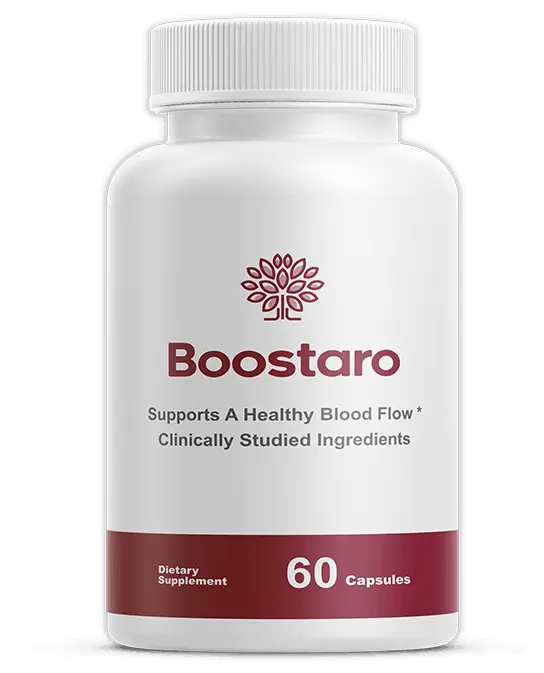
this product is very helpful for this problem.
Категории
Больше
Boostaro is a natural male performance supplement gaining popularity in Germany for its ability to support stamina, energy, and overall sexual health. Many men experience challenges such as low energy, reduced endurance, and decreased confidence, especially with age or busy lifestyles. Boostaro helps address these concerns by promoting better blood flow and supporting natural energy levels,...
Blood specimen collection is one of the most fundamental services in modern healthcare. Labs, physicians, and healthcare providers depend on accurately collected specimens to generate the diagnostic data that drives patient care. Core Medical Services in Anniston, Alabama provides professional blood draw services for laboratories, physicians, and healthcare providers, handling each...

The Industrial Cleaning Equipment Market is witnessing steady growth as industries increasingly prioritize workplace hygiene, operational efficiency, and regulatory compliance. Industrial cleaning equipment is widely used across manufacturing plants, warehouses, food processing facilities, healthcare institutions, automotive factories, airports, and commercial buildings to maintain clean and...

According to the latest report published by Data Bridge Market Research, the Selective Estrogen Receptor Modulator (SERM) Drug Market The global selective estrogen receptor modulator (SERM) drug market size was valued at USD 2.23 billion in 2025 and is expected to reach USD 3.60 billion by 2033, at a CAGR of 6.20% during the forecast period This Selective Estrogen Receptor Modulator...

In today’s data-driven world, businesses rely heavily on data to make decisions, improve products, and understand customer behavior. From e-commerce platforms and healthcare organizations to finance companies and startups, every industry now uses data to guide strategy and growth. Because of this massive shift toward data-driven decision-making, the demand for skilled data...