A Strategic Deep Dive: A Comprehensive Self-Healing Grid Market Analysis

A strategic analysis of the self-healing grid market reveals a sector that is a critical component of the broader smart grid and energy transition movements, driven by necessity but constrained by high costs and complexity. The market's core objective is to inject intelligence and automation into the electrical distribution network to create a system that can autonomously withstand and recover from disturbances. A complete Self-Healing Grid Market Analysis must consider the interplay between the immense demand for grid resilience and the significant financial and technical hurdles to widespread deployment. The competitive landscape is dominated by a few global industrial technology giants who can provide end-to-end solutions, from the physical hardware to the complex control software. The future of this market will be defined by its ability to leverage advancements in AI and communications technology to become more predictive and cost-effective, while navigating the immense cybersecurity risks that come with a more connected and automated grid infrastructure. For utilities, regulators, and technology vendors, a clear understanding of these strategic dynamics is essential for making multi-billion-dollar decisions about the future of our most critical infrastructure.
SWOT Analysis: Core Strengths and Inherent Weaknesses
The primary strength of the self-healing grid market is its ability to deliver a dramatic and measurable improvement in grid reliability and resilience. This directly addresses a major pain point for utilities and society at large, reducing the economic and social impact of power outages. The technology's ability to improve operational efficiency for utilities by automating fault location and reducing manual labor is another key strength, providing a clear return on investment. The support for integrating renewable energy sources also positions it as a critical enabling technology for the clean energy transition. However, the market has significant weaknesses. The most formidable is the high upfront capital investment required. Upgrading a portion of a utility's distribution network with the necessary sensors, automated switches, and software can be an extremely expensive undertaking, and regulatory approval for such large expenditures can be a slow process. The complexity of integration is another major weakness; making all the new hardware and software from different vendors work together seamlessly with legacy grid systems is a significant technical challenge. A shortage of skilled personnel with expertise in both power systems engineering and modern IT/communications is also a major constraint.
SWOT Analysis: Massive Opportunities and Significant Threats
The opportunities for the self-healing grid market are immense. The ongoing global push for grid modernization, often backed by government funding and favorable policies, provides a massive and sustained market opportunity. The integration of Artificial Intelligence (AI) and Machine Learning (ML) presents a revolutionary opportunity to move from reactive self-healing to predictive grid management, where potential faults are identified and addressed before they even occur. The rapid growth of Distributed Energy Resources (DERs), such as rooftop solar, battery storage, and electric vehicles, creates a huge opportunity for advanced distribution management systems that can orchestrate these assets. However, the market also faces serious threats. The single greatest threat is cybersecurity. As the grid becomes more connected and automated, its attack surface expands, making it a more attractive target for malicious actors. A successful cyberattack on a self-healing grid's control system could have catastrophic consequences. The slow pace of regulatory reform in many jurisdictions can also be a threat, as traditional utility business models may not provide adequate incentives for investing in these advanced technologies. Finally, the high cost of capital and economic downturns can lead utilities to defer these large-scale investment projects.
The Competitive Landscape: An Oligopoly of Industrial Giants
The competitive landscape of the self-healing grid market is a classic oligopoly, dominated by a handful of global industrial technology and electrical equipment giants. Companies like Siemens, General Electric (GE), ABB, and Schneider Electric are the key players. Their dominance stems from their ability to provide a complete, end-to-end solution, encompassing everything from the medium-voltage switchgear and reclosers to the SCADA systems, communication hardware, and the sophisticated ADMS and FLISR software platforms. These companies have deep, long-standing relationships with electric utilities around the world and possess a profound understanding of power systems engineering. Their competitive advantage lies in their vast product portfolios, their global service and support networks, and their ability to act as a single, trusted partner for a complex, multi-year grid modernization project. While a host of smaller, specialized companies exist that provide niche software or hardware components, the primary contracts for large-scale self-healing grid deployments are almost exclusively won by these industrial behemoths who have the scale, expertise, and financial strength to deliver on such critical infrastructure projects.
Top Trending Reports:
Categorias
Leia mais
Tycoon Card Features In the latest updates to Monopoly GO, the developers have introduced a range of new features aimed at enhancing the gaming experience. Among these, Tycoon Cards stand out as a key element for personalization and social interaction. These virtual profiles serve as a reflection of your progress and style within the game, showcasing your achievements and unique in-game...

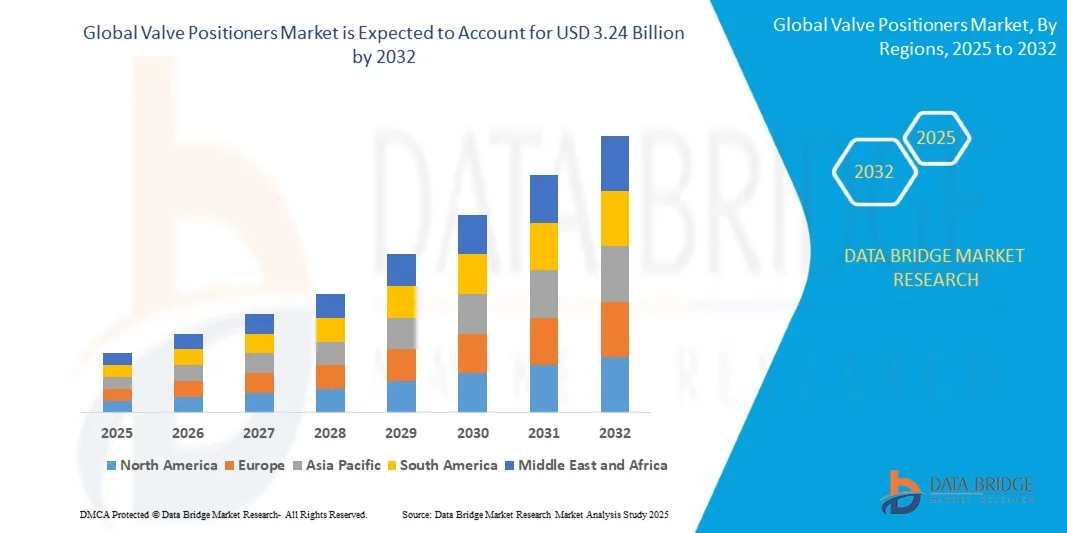
"Future of Executive Summary Valve Positioners Market: Size and Share Dynamics CAGR Value The valve positioners market size was valued at USD 2.16 billion in 2024 and is expected to reach USD 3.24 billion by 2032, at a CAGR of 5.23% during the forecast period This Valve Positioners Market research report serves the determination of businesses to make...
An eco-friendly outdoor building is all about making yards and driveways that are good for people and good for nature. Yes, many modern builders now offer green solutions, and a hardscape contractor in Short Hills, NJ can create patios, walkways, and outdoor spaces that look nice while also protecting the environment. These designs use safe materials, smart water systems, and energy-saving...
People often search online without knowing what actually matters in these services. Clear expectations help avoid confusion and unnecessary risks during the process. Professional listings usually focus on privacy, time clarity, and basic etiquette details. https://www.diigo.com/item/note/be6p9/0hpw?k=70e9d1d53794308980ea2e47b2bf39a4
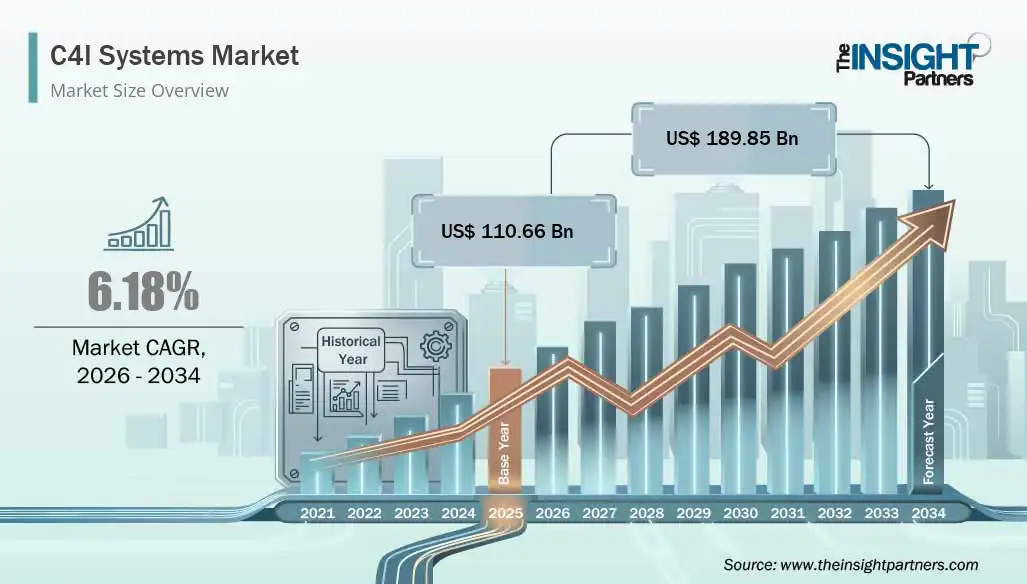
The landscape of modern warfare and defense operations is undergoing a profound digital transformation. As geopolitical tensions escalate globally, defense agencies are shifting away from traditional, siloed infrastructure toward hyper-connected, data-driven ecosystems. At the heart of this evolution are Command, Control, Communications, Computers, and Intelligence (C4I) systems. These...