


PTO Solar Myths That Cost Installers Real Time

Several persistent misunderstandings about PTO solar approval continue to cost installers valuable time, mostly because these myths sound reasonable enough that few people bother questioning them. One of the most common assumes that once a system passes inspection, activation follows automatically within days. In reality, the utility still runs its own independent review, and that review can stall for reasons that have nothing to do with the quality of the installation itself. Because these misconceptions shape how teams plan their timelines, correcting them early saves considerable frustration later. That is exactly the kind of clarity PTOEdge aims to provide installers navigating this final stage.
This post walks through the most common misconceptions about this process, explains what actually determines approval speed, and shows how earlier project decisions influence outcomes that seem to happen only at the very end. Meanwhile, you will see how correcting these assumptions changes the way a team plans its entire project timeline.
Many of these myths persist simply because they used to be closer to true, back when utility review processes were less standardized and installer volume was much lower. As demand for solar has grown, utilities have tightened their verification standards considerably, which means outdated assumptions now cause more friction than they once did.
Tired of promising activation dates you can't control? Set Realistic Expectations Now and see what actually determines your typical timeline.
Myth One: Inspection Approval Means Immediate Activation
Passing a building inspection confirms the installation meets local safety code, but it says nothing about whether the utility has verified the interconnection independently. Consequently, homeowners and even some installers mistakenly treat these two approvals as a single event rather than two entirely separate processes with different requirements. Understanding this distinction prevents a considerable amount of unnecessary confusion.
A clear solar sales proposal helps correct this misunderstanding before it ever becomes a problem, since proposals that explain both stages upfront set homeowners up for realistic expectations from day one. Additionally, this clarity prevents the frustrated phone calls that otherwise follow a passed inspection with no immediate activation.
Explaining this distinction clearly during the sales conversation, rather than assuming a homeowner already understands it, removes one of the most common sources of tension during an otherwise successful project. A short, honest explanation upfront consistently prevents much larger frustration later.
Myth Two: PTO Solar Approval Is Just a Formality
PTO solar approval genuinely involves technical verification, not a rubber-stamp process that happens automatically once paperwork arrives. Utilities compare meter details, system specifications, and signed agreements against the actual completed installation, and any mismatch here typically pauses the file. Therefore, treating this stage as a formality creates real risk of an unexpected delay.
Furthermore, dependable pto services exist specifically because this stage requires genuine coordination rather than passive waiting. Since utilities will not approve incomplete or inconsistent applications, someone needs to actively verify every detail before submission.
Believing this stage is a formality often leads teams to under-resource it, assigning final coordination to whoever happens to have spare time rather than someone with genuine familiarity with utility requirements. That mismatch alone accounts for a surprising share of avoidable delays.
Myth Three: Every Utility Processes Applications the Same Way
Assuming a consistent, predictable timeline across every utility territory leads to some of the most frustrating surprises in this entire process. Because each utility maintains its own backlog, internal standards, and preferred documentation format, the same application can move at dramatically different speeds depending on where it's submitted.
A properly built solar plan set helps regardless of utility, since accurate documentation moves faster through any review process. Because rooftop conditions vary so widely, generic pv plan sets tend to introduce inconsistencies that create friction no matter which utility eventually reviews them.
Companies expanding into new territories sometimes carry over turnaround expectations from a previous market without adjusting them, which sets homeowners up for disappointment the moment reality diverges from that outdated assumption.
What Actually Determines Approval Speed
Real approval speed depends on documentation accuracy, utility-specific backlog, and how quickly any flagged discrepancies get resolved once identified. None of these factors relate to how well the physical installation was built, which is exactly why a technically flawless system can still face delays.
Recognizing that installation quality and approval speed are governed by largely separate factors helps teams stop treating a slow activation as a reflection of poor workmanship, when it usually reflects something entirely outside the crew's control.
PTO Solar Turnaround Depends Heavily on Regional Familiarity
Understanding a specific utility's typical PTO solar turnaround requires direct, repeated experience with that territory, since generic assumptions rarely hold true across different regions. Installers who track this information deliberately tend to set far more accurate expectations for their customers.
This regional understanding connects closely with solar permit services San Diego familiarity, since local permitting habits often mirror the interconnection preferences used by nearby utilities. Recognizing that overlap early tends to shorten the overall path toward activation considerably.
Keeping a simple internal record of each utility's actual historical turnaround, rather than relying on word-of-mouth impressions, gives a team something concrete to reference when setting expectations. Over time, this record becomes considerably more reliable than anecdotal memory, especially as staff turnover naturally erodes institutional knowledge.
Myth Four: Engineering Review Only Matters for Permitting
Some installers assume that once engineering stamping clears permitting, its relevance to the project ends entirely. In reality, solar panel stamping documentation sometimes resurfaces during final utility review, particularly when a reviewer wants additional confirmation of structural or electrical compliance.
Keeping this documentation organized and easily accessible throughout the entire project, rather than filing it away once permitting closes, prevents an unnecessary scramble if a utility requests it again during final coordination.
This particular myth causes more disruption than most, since scrambling to relocate months-old paperwork under time pressure tends to introduce its own new mistakes. Building a simple, centralized project file from the very beginning eliminates this entirely avoidable stress.
Ready to plan around reality instead of assumptions? Get An Honest Timeline Estimate and stop guessing at what determines your activation date.
Where Compliance, Applications, and Growth All Connect
Correcting these misconceptions benefits more than a single project, since accurate expectations shape how reliably a company can plan across its entire pipeline. Careful Permit Design & AHJ Compliance work earlier in the process reduces the contradictions that eventually surface during final review, regardless of which myths a team may have previously believed.
A properly submitted PTO application avoids the common mistakes rooted in these misunderstandings, since accurate expectations lead to more thorough preparation. A trustworthy solar stamping service further supports this consistency by keeping engineering turnaround steady, regardless of which utility eventually reviews the file. Over time, this clearer understanding contributes directly to sustainable Solar Installer Growth, since accurate timelines prevent the customer frustration that damages referral potential.
Teams that train new hires explicitly around these common misconceptions, rather than letting them learn through repeated trial and error, tend to reach consistent performance considerably faster. That consistency matters most during periods of rapid hiring, when a company risks diluting its institutional knowledge across too many inexperienced team members at once.
Building a short onboarding resource that explicitly addresses these myths, rather than assuming new hires will absorb them naturally over time, protects a company's overall performance during growth phases when experienced staff can't personally mentor every new addition. This kind of proactive knowledge transfer often makes the difference between a smooth expansion and one marked by repeated, avoidable setbacks.
Frequently Asked Questions
Does passing inspection guarantee immediate activation?
No, the utility still conducts its own separate review of the interconnection before authorizing the system to operate.
Is utility approval really just a paperwork formality?
No, utilities genuinely verify technical details against the completed installation, and any mismatch can pause the review.
Do all utilities process applications at the same speed?
No, each utility maintains its own backlog and internal standards, so turnaround times vary significantly by territory.
Does engineering stamping stop mattering once permitting is complete?
No, utilities sometimes reference the same documentation again during final interconnection review if additional confirmation is needed.
How does correcting these myths support long-term company growth?
Setting accurate expectations reduces customer frustration, which protects the referral relationships that support sustainable business growth.
الأقسام
إقرأ المزيد
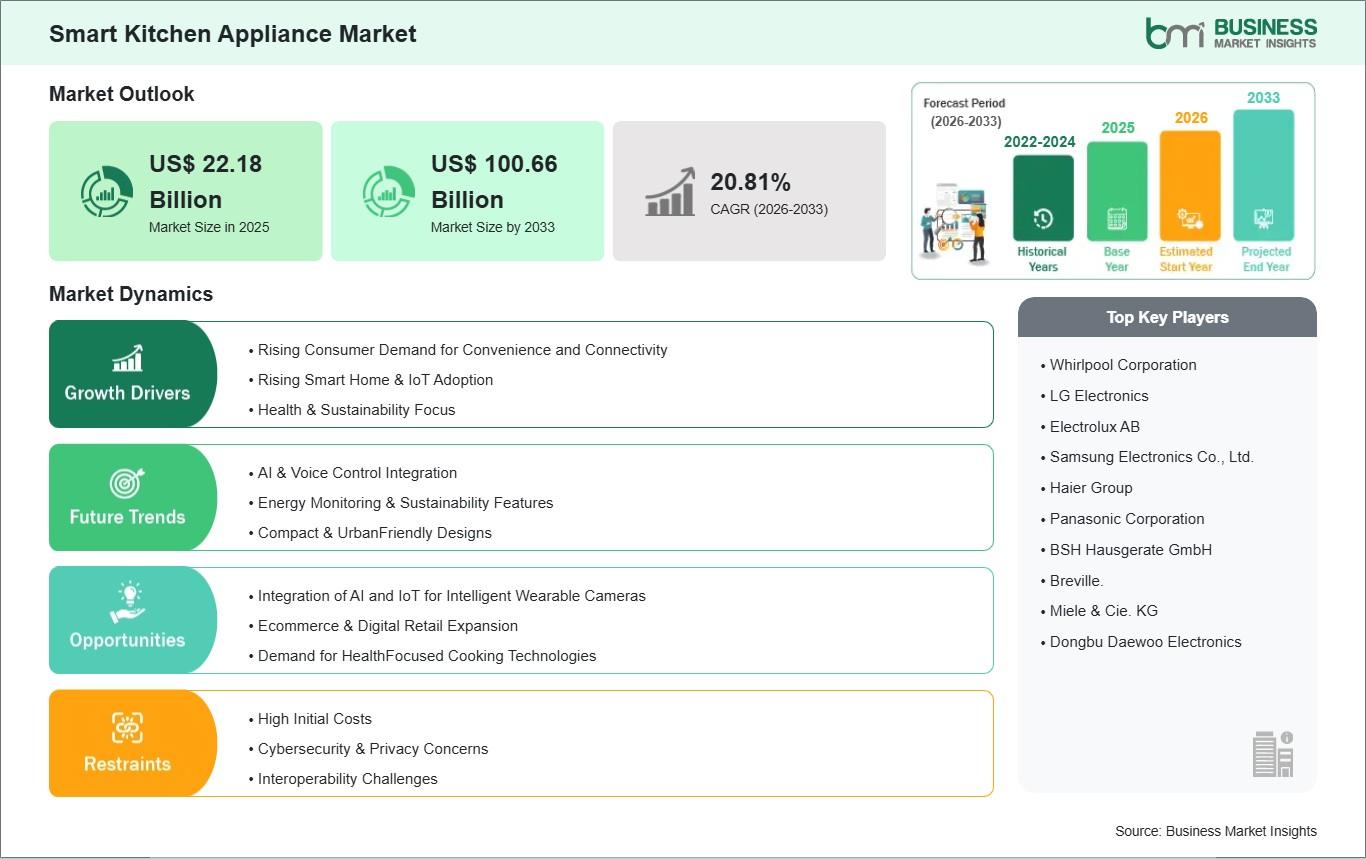
The Smart Kitchen Appliance Industry is experiencing steady growth worldwide, driven by the escalating adoption of smart home automation ecosystems, a rising consumer preference for energy-efficient and time-saving culinary solutions, and increasing disposable incomes globally. According to Business Market Insights, the global Smart Kitchen Appliance Market size is expected to reach US$ 100.66...
The structural interpretation of best online casinos united arab emirates extends beyond surface-level digital entertainment into the domain of algorithmically governed computational ecosystems. In such environments, operational logic is increasingly dictated by machine-based decision systems that regulate randomness, user engagement, and transactional security. These platforms are not...

"Phage Therapy for Antibiotic Resistance Market Summary: According to the latest report published by Data Bridge Market Research, the Phage Therapy for Antibiotic Resistance Market The global phage therapy for antibiotic resistance market size was valued at USD 313.63 million in 2024 and is expected to reach USD 1,116.44 million by 2032, at a CAGR of...
NEWARK, Del., Jun. 5, 2026 — The global Collagen Market is projected to witness robust growth over the next decade, with market value expected to increase from USD 5.5 billion in 2026 to USD 9.6 billion by 2036, registering a CAGR of 5.7% during the forecast period, according to Future Market Insights (FMI). Growing consumer interest in preventive healthcare, increasing adoption of...

A tightly contested World Cup group stage match in Guadalajara was ultimately decided by a second-half tactical adjustment that shifted momentum in a fixture defined by balanced possession and disciplined defensive structures throughout the opening stages. Estadio Akron witnessed a match that began cautiously, with both teams prioritizing midfield control and defensive spacing over direct...
