


Cat Health Warning Signs That Could Mean It's Time to Visit the Vet
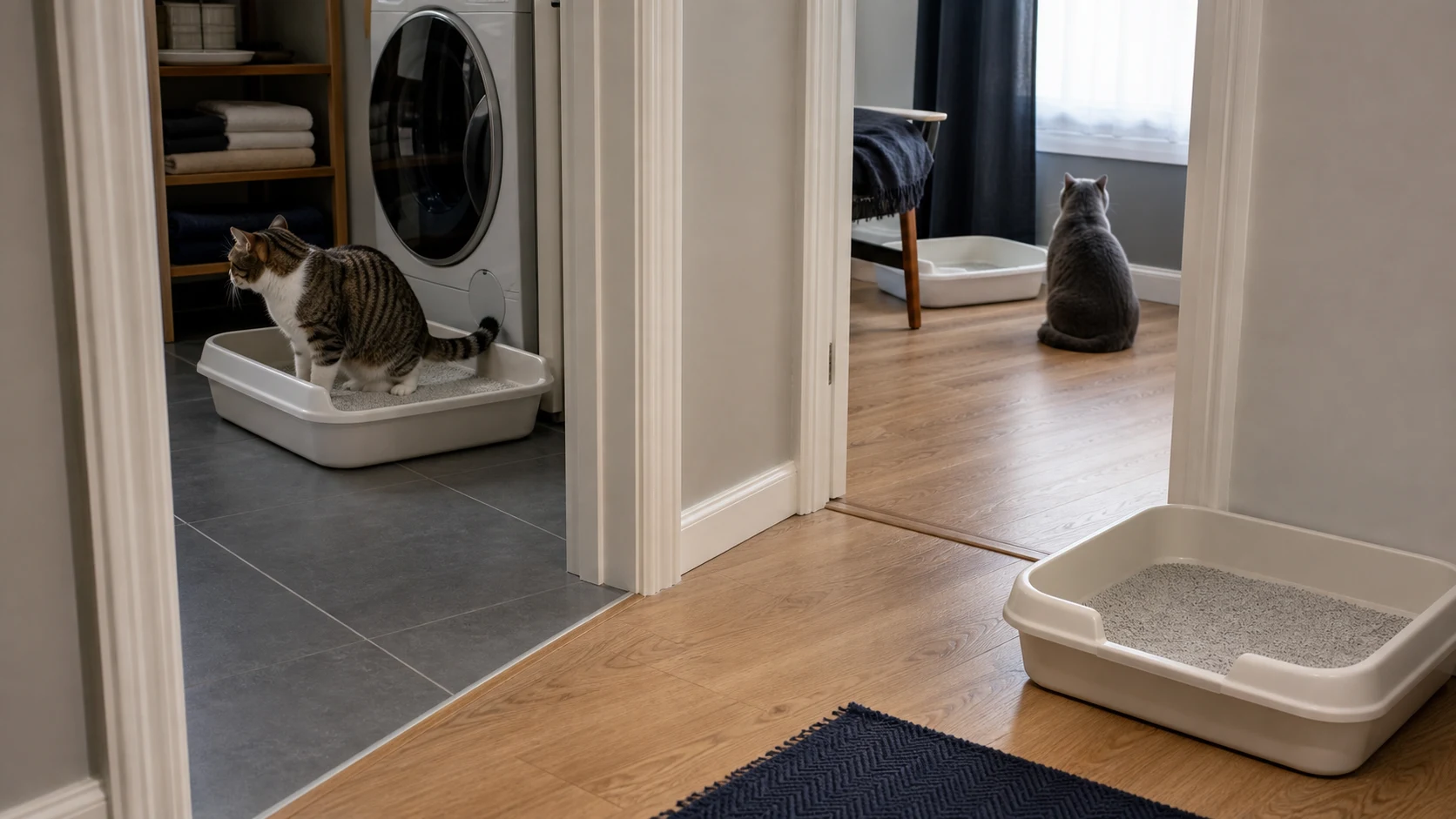
Cats are experts at hiding pain and illness. In the wild, showing weakness could make them vulnerable, and many domestic cats still have this instinct. Because of this, even a small change in your cat's behavior could be an early sign that something is wrong. Knowing the most common cat health warning signs can help you act quickly and get your pet the care it needs.
While not every symptom means your cat is seriously ill, paying attention to unusual changes can make a big difference in your cat's health and recovery.
Changes in Appetite
One of the first things many owners notice is a change in eating habits. A healthy cat usually has a consistent appetite. If your cat suddenly refuses food, eats much less than usual, or begins eating excessively, it could indicate an underlying health problem.
Loss of appetite may be linked to dental issues, digestive problems, infections, or other medical conditions. On the other hand, an unusually increased appetite combined with weight loss may point to metabolic disorders.
If your cat refuses food for more than a day, it's important to contact your veterinarian.
Drinking More or Less Water
Changes in water intake are among the most important cat health warning signs.
A cat that drinks much more water than normal may be experiencing kidney disease, diabetes, or other medical issues. Drinking significantly less water can also lead to dehydration, especially during warm weather.
Keeping track of your cat's normal drinking habits makes it easier to notice unusual changes.
Sudden Weight Loss or Weight Gain
Healthy adult cats generally maintain a stable weight.
Rapid weight loss without changes in diet may signal illness, parasites, or thyroid problems. Unexpected weight gain may result from overfeeding, lack of exercise, or hormonal changes.
Weigh your cat regularly or ask your veterinarian to check its weight during routine visits.
Vomiting or Diarrhea
Occasional vomiting from a hairball may not be unusual, but frequent vomiting should never be ignored.
Persistent vomiting or diarrhea can quickly lead to dehydration and may be caused by infections, food intolerance, intestinal parasites, or more serious illnesses.
If these symptoms continue for more than a day or are accompanied by weakness or blood, seek veterinary care immediately.
Changes in Litter Box Habits
Your cat's litter box can reveal valuable information about its health.
Watch for changes such as:
- Urinating more often
- Difficulty urinating
- Blood in the urine
- Constipation
- Diarrhea
- Avoiding the litter box completely
Difficulty urinating is considered a medical emergency, especially in male cats, and requires immediate treatment.
Low Energy or Hiding
Cats naturally sleep a lot, but they should still have periods of activity and curiosity.
If your cat becomes unusually tired, hides constantly, avoids interaction, or seems less interested in playing, it may not be feeling well.
Behavioral changes are often among the earliest signs of illness.
Difficulty Breathing
Breathing problems should always be taken seriously.
Warning signs include:
- Rapid breathing
- Open-mouth breathing
- Wheezing
- Persistent coughing
- Labored breathing
Healthy cats normally breathe quietly. Any noticeable difficulty should be evaluated by a veterinarian as soon as possible.
Poor Coat Condition
A healthy cat usually has a smooth, clean, and shiny coat.
If your cat's fur becomes dull, greasy, tangled, or starts falling out excessively, it may indicate illness, poor nutrition, allergies, parasites, or stress.
Cats that stop grooming themselves may also be experiencing pain or discomfort.
Bad Breath and Dental Problems
Many people overlook dental health, but it plays an important role in your cat's overall well-being.
Persistent bad breath, swollen gums, drooling, or difficulty chewing may be signs of dental disease.
Regular dental care and routine veterinary checkups help prevent painful oral conditions.
Eye and Nose Discharge
Clear, bright eyes are a sign of good health.
Excessive tearing, redness, swelling, cloudy eyes, or thick discharge may indicate infections or injuries.
Similarly, frequent sneezing or nasal discharge can suggest respiratory illness, especially in kittens or older cats.
Changes in Behavior
Personality changes can sometimes signal illness.
A friendly cat that suddenly becomes aggressive, fearful, or withdrawn may be experiencing pain or discomfort.
Likewise, excessive vocalization, confusion, or restlessness should not be ignored, particularly in senior cats.
Knowing your cat's normal behavior helps you recognize when something isn't right.
Difficulty Walking or Jumping
Cats are naturally agile and graceful.
If your cat begins limping, struggles to jump onto furniture, or appears stiff after resting, it could have arthritis, an injury, or another joint problem.
Older cats commonly develop mobility issues, but younger cats can also experience injuries that require treatment.
Regular Veterinary Checkups Matter
Even if your cat appears healthy, routine veterinary visits are essential.
Annual wellness exams help detect health problems before symptoms become severe. Senior cats may benefit from more frequent checkups since age-related conditions often develop gradually.
Vaccinations, parasite prevention, dental care, and routine screenings all contribute to a longer, healthier life.
When to Seek Immediate Veterinary Care
Some symptoms require urgent attention. Contact a veterinarian immediately if your cat:
- Has difficulty breathing
- Cannot urinate
- Experiences repeated vomiting or diarrhea
- Has seizures
- Becomes suddenly weak or collapses
- Stops eating for more than 24 hours
- Shows signs of severe injury or poisoning
Prompt treatment can significantly improve the outcome for many medical emergencies.
Final Thoughts
Recognizing cat health warning signs is one of the most important responsibilities of every cat owner. Changes in appetite, drinking habits, litter box use, energy levels, grooming, or behavior may seem minor at first, but they can be early indicators of underlying health problems.
Kategoriler
Read More
"Executive Summary Cotton Picker Market: Share, Size & Strategic Insights The global cotton picker market size was valued at USD 2.10 billion in 2024 and is expected to reach USD 3.33 billion by 2032, at a CAGR of 5.90% during the forecast period Cotton Picker Market report is structured with the best and advanced tools of collecting, recording,...

Traveling to and from the airport should be stress-free, comfortable, and dependable. Whether you're heading out for a business trip, family vacation, or special event, choosing professional airport shuttle services in West Orange NJ ensures you arrive on time and travel in comfort. Moonchaser Limo and Car Service provides premium transportation solutions for individuals, families,...

FairPlay24 is one of the most famous online structures for cricket enthusiasts and gaming fanatics in India. Fairplay24 is a concept for its easy-to-apply interface and clean enjoyment and enchantment for thousands of clients seeking out a dependable platform. Whether you are a new purchaser or a current member, knowing how the Fairplay24 login technique and registration steps work is critical...

When a brand hands off its product idea to an Eyeshadow Palette Factory or a Makeup Kit Manufacturer, one of the foundational considerations must be quality assurance and regulatory compliance. The layering of factors from ingredient safety to packaging labelling builds product trust and market viability. In the palette factory context, eyeshadow ingredients include pigments, binders and...

When evaluating the ultra-luxury residential market in Delhi NCR, there is a distinct line between generic premium developments and global branded real estate. Standing tall at nearly 200 meters over Golf Course Extension Road, Trump Towers Delhi NCR (Sector 65, Gurgaon) represents the absolute peak of the latter. Trump Tower Sector 65 Gurgaon With keys actively being handed over to residents,...
