


Dental Bonding: A Simple Solution for a Beautiful Smile

Dental Bonding: A Simple Solution for a Beautiful Smile
A healthy, attractive smile can make a lasting impression. If you have chipped, cracked, stained, or slightly uneven teeth, dental bonding offers a quick and cost-effective way to improve your smile. This cosmetic dental treatment uses a tooth-colored composite resin to restore the appearance of teeth while preserving most of the natural tooth structure.
Dental bonding is one of the simplest cosmetic dentistry procedures available. It is minimally invasive, typically requires little to no enamel removal, and is often completed in just one appointment. Whether you want to repair a small imperfection or refresh your smile, dental bonding can provide natural-looking results without extensive treatment.
What Is Dental Bonding?
Dental bonding is a cosmetic procedure in which a dentist applies a durable composite resin directly to the surface of a tooth. The resin is carefully shaped, hardened with a special curing light, and polished to match the surrounding teeth.
The material is selected to closely match your natural tooth color, creating a seamless appearance. Because very little preparation is needed, bonding helps preserve healthy tooth structure while delivering noticeable improvements.
What Can Dental Bonding Fix?
Dental bonding is a versatile treatment that can address several common cosmetic concerns, including:
- Chipped or cracked teeth
- Small gaps between teeth
- Discolored or stained teeth
- Teeth that appear too short
- Minor unevenness or irregular shapes
- Small areas of tooth wear
- Exposed tooth roots caused by gum recession
While bonding is ideal for minor cosmetic corrections, more significant structural issues may require treatments such as veneers or dental crowns.
The Dental Bonding Procedure
The dental bonding process is straightforward and usually takes between 30 to 60 minutes per tooth.
1. Consultation
Your dentist examines your teeth, discusses your smile goals, and determines whether bonding is the right treatment for your needs.
2. Tooth Preparation
In most cases, little or no anesthesia is needed unless bonding is being used to repair a cavity. The tooth surface is lightly roughened, and a conditioning liquid is applied to help the resin adhere securely.
3. Resin Application
A tooth-colored composite resin is applied to the tooth. The dentist carefully molds and shapes the material to achieve the desired appearance.
4. Curing
A special dental light hardens the composite resin within seconds.
5. Final Shaping and Polishing
Once hardened, the bonded area is trimmed, shaped, and polished until it blends naturally with the surrounding teeth.
The result is a smooth, natural-looking restoration that enhances your smile immediately.
Benefits of Dental Bonding
Dental bonding offers several advantages that make it a popular cosmetic treatment.
Quick Treatment
Most bonding procedures are completed during a single office visit, making it convenient for busy patients.
Natural Appearance
The composite resin closely matches the color and texture of natural teeth for seamless results.
Minimally Invasive
Unlike some cosmetic procedures, bonding usually requires minimal alteration of healthy tooth enamel.
Affordable Option
Dental bonding is generally less expensive than porcelain veneers or crowns, making it an accessible cosmetic solution.
Immediate Results
Patients can enjoy an improved smile immediately after the procedure without lengthy recovery times.
How Long Does Dental Bonding Last?
With proper care, dental bonding can last between 3 and 10 years, depending on the location of the bonded tooth and daily habits.
The longevity of bonding depends on factors such as:
- Good oral hygiene
- Avoiding biting hard objects
- Limiting stain-causing foods and beverages
- Regular dental checkups
- Avoiding habits like nail biting or chewing ice
Over time, bonded material may require touch-ups or replacement due to normal wear.
Caring for Bonded Teeth
Maintaining bonded teeth is simple and similar to caring for natural teeth.
Helpful tips include:
- Brush twice daily with fluoride toothpaste.
- Floss every day.
- Avoid chewing ice, pens, or hard candies.
- Limit coffee, tea, red wine, and tobacco products to reduce staining.
- Visit your dentist regularly for cleanings and examinations.
Although composite resin is durable, it is not as stain-resistant as porcelain, so proper care helps preserve its appearance.
Is Dental Bonding Right for You?
Dental bonding is an excellent option for individuals with minor cosmetic imperfections who want an affordable and conservative treatment.
It may be suitable if you have:
- Small chips or cracks
- Minor gaps between teeth
- Slight discoloration
- Uneven tooth edges
- Small cosmetic flaws affecting your smile
Your dentist will evaluate your oral health and recommend the most appropriate treatment based on your goals and the condition of your teeth.
Dental Bonding vs. Veneers
Both dental bonding and porcelain veneers improve the appearance of teeth, but they differ in several ways.
| Dental Bonding | Porcelain Veneers |
|---|---|
| Usually completed in one visit | Typically requires two or more visits |
| More affordable | Higher initial cost |
| Minimal enamel removal | Requires more tooth preparation |
| Easier to repair | More stain-resistant and durable |
| Lasts 3–10 years | Can last 10–15 years or longer |
Bonding is often recommended for smaller cosmetic improvements, while veneers may be better for more comprehensive smile transformations.
Why Patients Choose Dental Bonding
Many patients choose dental bonding because it offers an effective balance of affordability, convenience, and natural-looking results. It allows dentists to restore minor imperfections while preserving healthy tooth structure, making it an excellent first step in cosmetic dentistry.
Whether you're repairing a chipped tooth or enhancing your smile before a special event, bonding provides noticeable improvements with minimal downtime.
Conclusion
Dental bonding is a simple, fast, and effective cosmetic treatment that can significantly improve the appearance of your smile. By repairing chips, closing small gaps, correcting discoloration, and reshaping uneven teeth, bonding offers natural-looking results without extensive dental work.
If you're looking for an affordable way to enhance your smile, dental bonding may be the ideal solution. A consultation with your dentist can help determine whether this minimally invasive procedure is the right choice for achieving the confident, healthy-looking smile you deserve.
Categories
Read More
在現代數位娛樂世界中,YY Gaming 已經成為玩家們追求高品質遊戲體驗的首選平台。無論是熱愛線上遊戲、策略對戰,還是追求即時互動娛樂,YY Gaming 都能提供最全面的支援。透過創新的遊戲設計與穩定的伺服器系統,玩家可以隨時隨地沉浸於流暢且精彩的遊戲世界。 為什麼選擇 YY Gaming? 選擇 YY Gaming 的玩家,最看重的是平台的多元化與安全性。平台不僅涵蓋了多種熱門遊戲類型,包括角色扮演、競技策略、休閒娛樂等,同時也提供完整的玩家社群互動功能。玩家能夠與來自世界各地的朋友交流心得、組隊競技,讓遊戲不再是孤單的體驗。 此外,YY Gaming 在遊戲更新與活動舉辦方面也極具競爭力。定期舉辦的限時活動與專屬獎勵,能讓玩家保持新鮮感與挑戰性,增加遊戲的持續吸引力。 專屬玩家的互動體驗 一個優質的遊戲平台,除了遊戲本身,社群互動同樣不可忽視。YY Gaming...

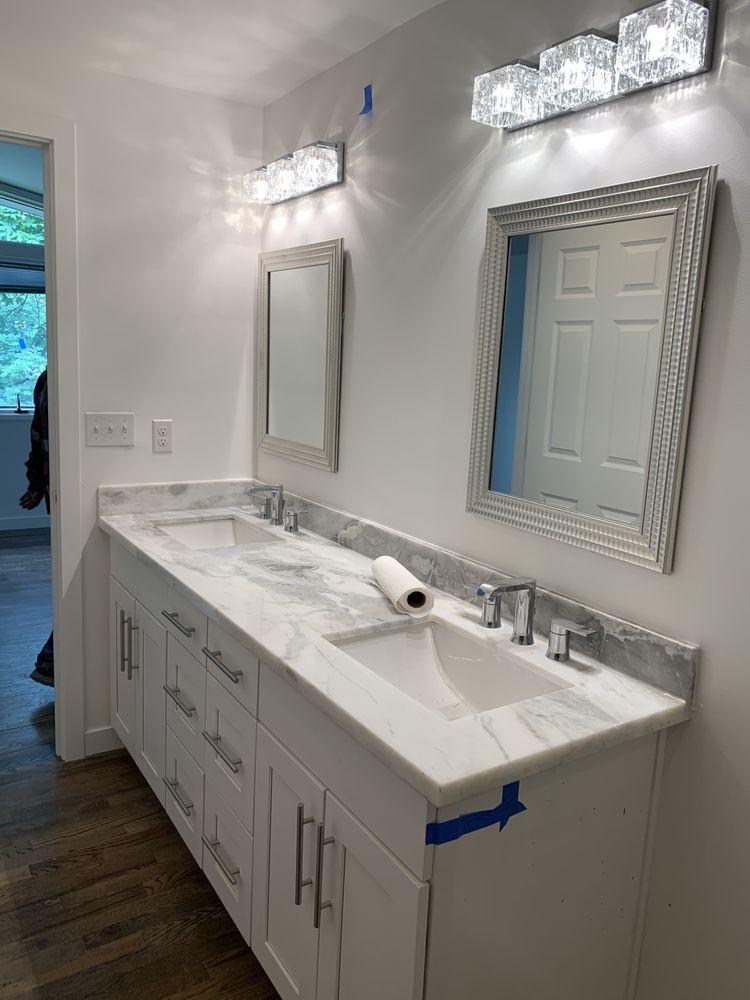
Updating a bathroom is a big decision for any homeowner. It is one of the most used rooms in the house. Most people start thinking about a change when their current space feels cramped or outdated. You might just want a shower that actually works well or a vanity with enough storage for all your things. Whatever the reason, the goal is usually to create a space that feels comfortable and...
Discover the beauty and benefits of growing hydroponic zinnia flowers. Learn tips for cultivation, care, and maximizing blooms using hydroponic systems Zinnias are known for their bright, cheerful blooms and long-lasting flowers, making them a favorite among gardeners. Traditionally grown in soil, zinnias can also thrive in a hydroponic system, offering a unique and efficient way to cultivate...

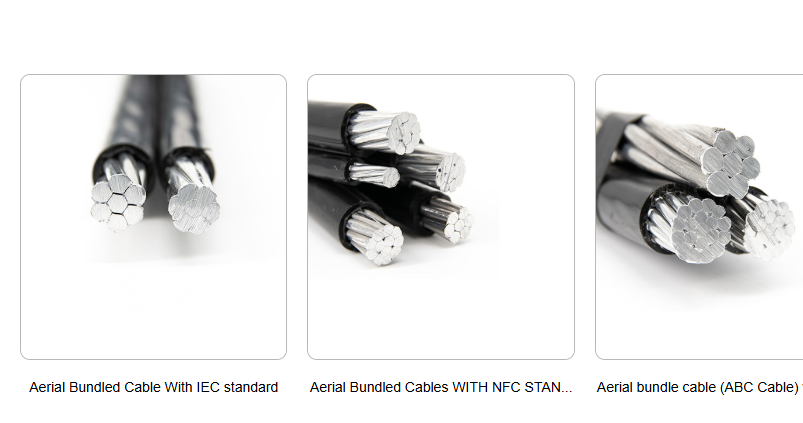
In modern power transmission and distribution networks, selecting the right overhead cable is not just a technical decision it is a strategic one that directly impacts system reliability, project cost, and long-term maintenance. For utilities, EPC contractors, and procurement teams, the challenge often lies in balancing performance, durability, and cost-efficiency in diverse...
Introduction Witnessing a loved one struggle with an addiction is emotionally taxing. You may feel impotent, helpless, or, worst of all, that your interference could do more harm than good. But as you begin to research the issue, seeking to find the most reliable nasha mukti kendra, there is an almost overwhelming amount of information to parse through. It can be incredibly difficult to...
