


Intelligent Roadside Perception Traffic Monitoring: Revolutionizing Road Safety and Efficiency

According to recent industry analysis from WiseGuy Reports, the global intelligent roadside perception market was valued at $3.06 billion in 2025 and is projected to grow to $10.0 billion by 2035, at a compound annual growth rate (CAGR) of 12.6%. A primary driver of this growth is the increasing adoption of intelligent roadside perception traffic monitoring, which is revolutionizing how transportation authorities manage road networks. By deploying advanced sensors, cameras, and AI-powered analytics, these systems provide real-time, comprehensive data on traffic conditions, enabling proactive management and significantly improving road safety.
Traditional traffic monitoring systems often rely on inductive loop detectors and basic cameras, providing limited and often reactive data. Intelligent roadside perception, by contrast, uses a fusion of technologies including high-resolution cameras, LiDAR, radar, and thermal sensors to create a detailed, multi-dimensional view of the roadway. This data is processed using advanced computer vision and machine learning algorithms to detect, classify, and track vehicles, pedestrians, cyclists, and other objects in real-time. Siemens Mobility's recent contract to deploy an AI-powered traffic management system across a major European city, incorporating machine-vision sensors for real-time incident detection and adaptive signaling, is a prime example of this technology's application.
The benefits of advanced traffic monitoring are substantial. By providing granular data on traffic flow, speed, and density, these systems enable dynamic traffic signal control, which can reduce congestion and improve travel times. They also enable the rapid detection of incidents, such as accidents or stalled vehicles, allowing for faster emergency response and reducing the risk of secondary accidents. The collection of long-term traffic data also informs infrastructure planning and investment decisions. The traffic monitoring application is the dominant segment, valued at $1.22 billion in 2024 and expected to reach $4.0 billion by 2035.
The integration of AI and real-time data analytics is the cornerstone of this transformation. NVIDIA's partnership with TomTom to integrate high-definition maps into the NVIDIA DRIVE platform, enabling enhanced roadside perception data fusion, highlights the importance of advanced data processing. The intelligent roadside perception traffic monitoring segment is poised for continued growth as cities worldwide invest in smart infrastructure to enhance driver safety and road efficiency.
Access more automotive and transportation market reports connected to this topic:
Catégories
Lire la suite
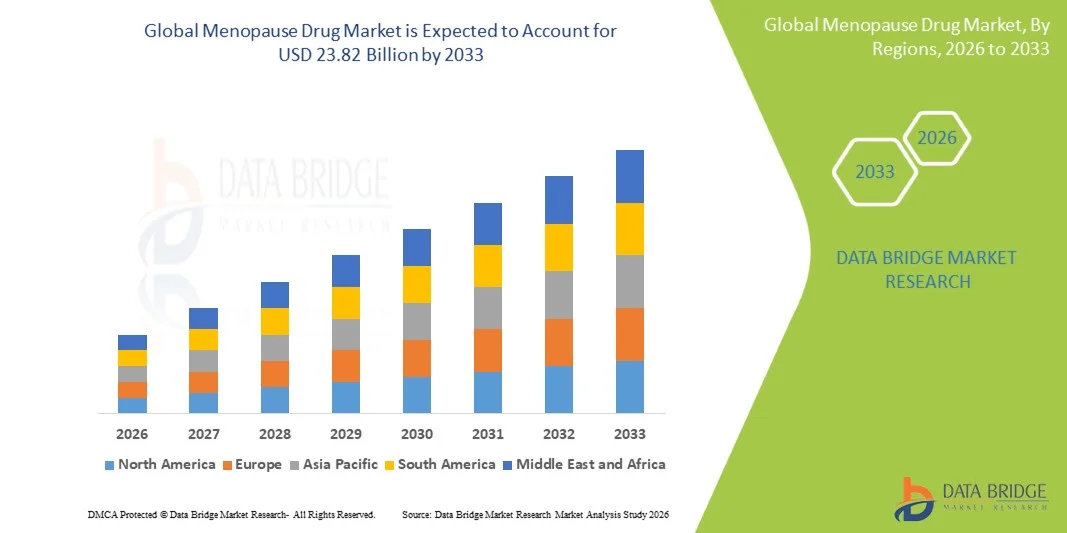
According to the latest report published by Data Bridge Market Research, the Menopause Drug Market The global menopause drug market size was valued at USD 16.50 billion in 2025 and is expected to reach USD 23.82 billion by 2033, at a CAGR of 4.7% during the forecast period. This Menopause Drug Market research report is structured by performing the systematic, objective and exhaustive...
Flow AI: Revolutionizing the Way We Work The modern workplace is evolving at an unprecedented pace, driven largely by advancements in technology. Among these, artificial intelligence has emerged as a game-changer, and Flow AI stands at the forefront of this revolution. Designed to enhance efficiency, streamline workflows, and empower creativity, Flow AI is transforming how professionals across...
Pokémon TCG Pocket Overview A private event held in New York and Los Angeles unveiled fresh insights into Pokémon TCG Pocket, exclusively accessible to selected influencers and media outlets. Our summary distills only the details verified by multiple sources and official documentation. The soft launch is set for Thursday, September 26th, in New Zealand, with a worldwide release...

Domestic violence matters are serious and often emotionally challenging. Whether you are seeking protection or facing allegations, having the right legal representation is essential. Experienced Domestic Violence lawyers in Sydney can guide you through the legal process, protect your rights, and help you achieve the best possible outcome. At Leona Apostle, clients receive compassionate yet...

Honkai Update 3.3 Einführung Am 9. Mai 2025 fand die offizielle Live-Übertragung für das kommende Update 3.3 von Honkai: Star Rail mit dem Titel "Falling on the Threshold of Dawn" statt. Diese Veranstaltung lief zeitgleich mit der offiziellen Veröffentlichung des Patches. Während des Streams gaben die Entwickler einen umfassenden Einblick in alle neuen Inhalte, die mit...