


Why A Commercial Property Inspection Matters More Than You Think

Buying or leasing a commercial building involves a very different level of risk compared to purchasing a house. The systems are larger, the codes are stricter, and the financial stakes are usually much higher. This is exactly why a thorough commercial property inspection should never be treated as an optional step, regardless of how confident you feel about the deal on the surface, since surface level impressions rarely tell the full story of a building's condition.
What Makes Commercial Inspections Different
Unlike residential inspections, commercial evaluations often involve multiple units, shared systems, elevators, fire suppression equipment, and larger scale electrical and mechanical infrastructure. Depending on the type of building, an inspector may also need to evaluate parking areas, loading docks, or specialized equipment tied to the property's intended use. This complexity means a commercial property inspection typically takes longer and requires broader expertise than a standard home inspection, often involving specialists for specific systems when needed.
Who Actually Needs One
Financial institutions, commercial realtors, investors, and individual business owners all rely on commercial inspections before finalizing a transaction. Lenders in particular often require documentation of a building's condition before approving financing, since the property itself usually serves as collateral. Even experienced investors who have purchased several properties over the years still commission a commercial property inspection every single time, since assumptions based on past deals do not always apply to a new building, and every property comes with its own history and set of quirks.
What The Report Typically Covers
A comprehensive report will address the roof, foundation, structural integrity, electrical and plumbing systems, heating and cooling equipment, and any visible signs of water damage or deferred maintenance. Depending on the property, additional testing such as mold air sampling may also be recommended, particularly for older buildings or those with a documented history of moisture issues or previous water damage. The final document should give you a realistic picture of upcoming repair costs, not just a list of current problems.
Tiger Home Inspection offers commercial inspection services designed for financial institutions, commercial realtors, investors, and individual buyers throughout Massachusetts. With computerized reports and photos of pertinent areas, the process gives decision makers a clear, organized reference they can share with partners, lenders, or legal teams as needed during the transaction.
Avoiding Costly Surprises
Skipping or rushing a commercial property inspection can lead to expensive surprises after closing, from failing mechanical systems to code violations that require immediate correction. These issues are often far more expensive to fix in a commercial setting than in a residential one, simply because of the scale involved. A thorough inspection gives you the opportunity to negotiate repairs, adjust your offer, or walk away entirely if the risks outweigh the potential return, protecting your investment before money changes hands.
Making An Informed Investment Decision
At the end of the day, a commercial property inspection is about protecting a significant financial commitment. Whether you are opening a new business location, expanding an investment portfolio, or evaluating a property on behalf of clients, having accurate information about the building's condition allows you to move forward with confidence. Treat the inspection as a critical part of due diligence rather than a formality, and use the findings to guide a smarter, better informed decision.
Categories
Read More
According to the latest report published by Data Bridge Market Research, the Blockchain Identity Management Market CAGR Value The Blockchain Identity Management Market report not only benefits to save valuable time but also adds credibility to the work that has been done to grow the business. By applying market intelligence for this market report, industry expert measure...

In today’s competitive marketing landscape, businesses need advertising solutions that deliver consistent visibility and long-term brand recognition. An outdoor billboard advertising company helps businesses achieve exactly that by placing their message directly in front of thousands of potential customers every day. While digital marketing channels continue to evolve, billboard...

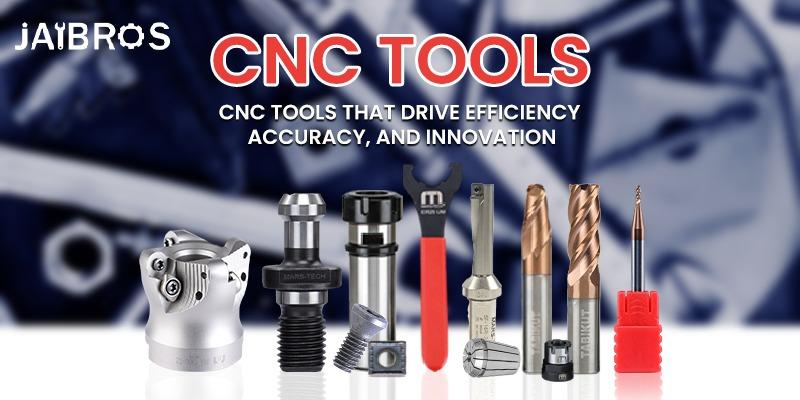
Learn how CNC tools improve accuracy, speed, and finish in modern workshops. Simple guide explaining types, uses, and benefits for Indian machining needs. What Are CNC Tools? CNC tools are specialized cutting tools used to shape metal or other hard materials with precision in machines that are part of a computer controlled process. These tools assist the machine in completing "manual"...
Introduction Luxury apartments on Golf Course Road represent the pinnacle of upscale living in Gurgaon. Known for its world-class infrastructure, premium residential developments, and excellent connectivity, Golf Course Road has established itself as one of the most desirable luxury real estate destinations in India. Home to some of Gurgaon’s most iconic residential communities, this...

Mobility scooters are becoming more advanced and convenient for people who value comfort and independence. A 2 seater enclosed mobility scooter is an excellent option for couples, caregivers, or individuals who enjoy traveling together safely and comfortably. These scooters are designed with enclosed cabins that protect riders from rain, wind, and harsh sunlight, making them suitable for...