The Ultimate Checklist to Improve Your AI Search Visibility Score

Improving your standing in AI search results can feel overwhelming without a clear plan. This checklist breaks the work into concrete, actionable steps you can move through one at a time, whether you are starting from scratch or fine-tuning an already solid strategy.
Print this out, assign owners to each section, and revisit it monthly as part of your ongoing marketing routine.
Content Foundation Checklist
Strong AI search visibility starts with content that gives AI models a real reason to cite you.
-
Publish original research, data, or surveys that cannot be found on competitor sites.
-
Ensure every core page answers a specific, real question near the top, not buried after paragraphs of introduction.
-
Update outdated statistics, product details, and dates regularly rather than leaving old content untouched.
-
Build honest, detailed comparison content covering your product against real named competitors.
-
Avoid publishing large volumes of thin, low-value pages purely to increase content count.
Technical and Structural Checklist
AI retrieval systems need to parse your content easily and confidently.
-
Use clear H2 and H3 headers that directly reflect the questions your content answers.
-
Implement relevant schema markup, including organization, product, and FAQ schema where applicable.
-
Keep page load times fast and mobile experience smooth, since technical health still affects crawlability.
-
Ensure your site's internal linking clearly connects related topics, helping establish topical depth.
-
Confirm your key pages are indexed and not accidentally blocked from crawlers.
Third-Party Validation Checklist
AI models weigh outside sources heavily, so your presence beyond your own website matters enormously.
-
Encourage genuine, detailed customer reviews on relevant platforms for your industry.
-
Participate authentically in industry forums, Reddit communities, and Q&A platforms where your audience already spends time.
-
Pursue coverage in industry publications and "best of" roundup articles.
-
Monitor and respond to negative mentions or outdated information found on third-party sites.
-
Build relationships with journalists and bloggers who cover your industry regularly.
Brand Entity and Consistency Checklist
AI systems need a clear, consistent picture of what your brand actually is.
-
Ensure your brand description is consistent across your website, social profiles, and press materials.
-
Clearly define your core products, services, and target audience in your own content.
-
Audit older content for outdated positioning that no longer matches your current business.
-
Make sure your "About" page clearly and specifically explains what makes your brand different.
Monitoring and Measurement Checklist
You cannot improve what you are not tracking.
-
Test at least ten realistic customer prompts across multiple AI engines monthly.
-
Track mention frequency, sentiment, and citation presence over time, not just a single snapshot.
-
Benchmark your results directly against two or three named competitors.
-
Identify which of your own pages are actually being cited, and which are being ignored.
-
Set a recurring calendar reminder to repeat this process, since AI answers shift regularly.
Prioritizing the Checklist Based on Your Current Stage
If you are just starting, focus first on the content foundation and technical checklist items, since these establish the base AI models need before they can trust and cite you at all. Once that foundation is solid, shift focus toward third-party validation, since that is what pushes borderline visibility into consistent, confident recommendations.
Brands that already have decent visibility should focus most heavily on the monitoring and measurement checklist, since maintaining and improving an existing position requires catching shifts early.
A Realistic Timeline for Results
Do not expect overnight changes. Technical and content fixes can show early signs of improvement within a few weeks, but building genuine third-party validation and topical authority typically takes two to four months of consistent effort. Treat this as an ongoing program rather than a short campaign.
FAQs
Where should I start if I have limited time and resources? Begin with the content foundation checklist, since original, well-structured content is the base requirement for AI models to trust and cite your brand.
How long does it take to see results from this checklist? Technical fixes can show early signs within a few weeks, while third-party validation efforts typically take two to four months to meaningfully shift AI visibility.
Do I need to complete every item on this checklist? Not all at once. Prioritize based on your current gaps, using a manual AI visibility check to identify which areas need the most attention first.
How often should I revisit this checklist? Monthly reviews work well for most brands, since AI-generated answers and competitor content both change regularly.
Can this checklist work for small businesses without a big budget? Yes, most items rely on strategy and consistency rather than large spend, making this approach accessible to businesses of any size.
Conclusion
Improving your AI search visibility score does not require guesswork, it requires consistent execution across content, technical structure, third-party validation, and ongoing measurement. Work through this checklist methodically, prioritize based on your current gaps, and revisit it monthly. Small, consistent improvements compound into real, measurable visibility gains over time.
tool- Branviz
الأقسام
إقرأ المزيد
INTRODUCTION Television technology has evolved significantly over the years. Modern households now rely on LED TVs and 4K Smart TVs for entertainment, streaming, gaming, and digital connectivity. These advanced televisions deliver excellent picture quality, enhanced audio performance, internet connectivity, and smart features that improve the viewing experience. However, like all...
" According to the latest report published by Data Bridge Market Research, the Seborrheic Dermatitis Market The global seborrheic dermatitis market size was valued at USD 2.95 billion in 2024 and is expected to reach USD 6.80 billion by 2032, at a CAGR of 11.00% during the forecast period This Seborrheic Dermatitis Marketdocument provides with CAGR value...

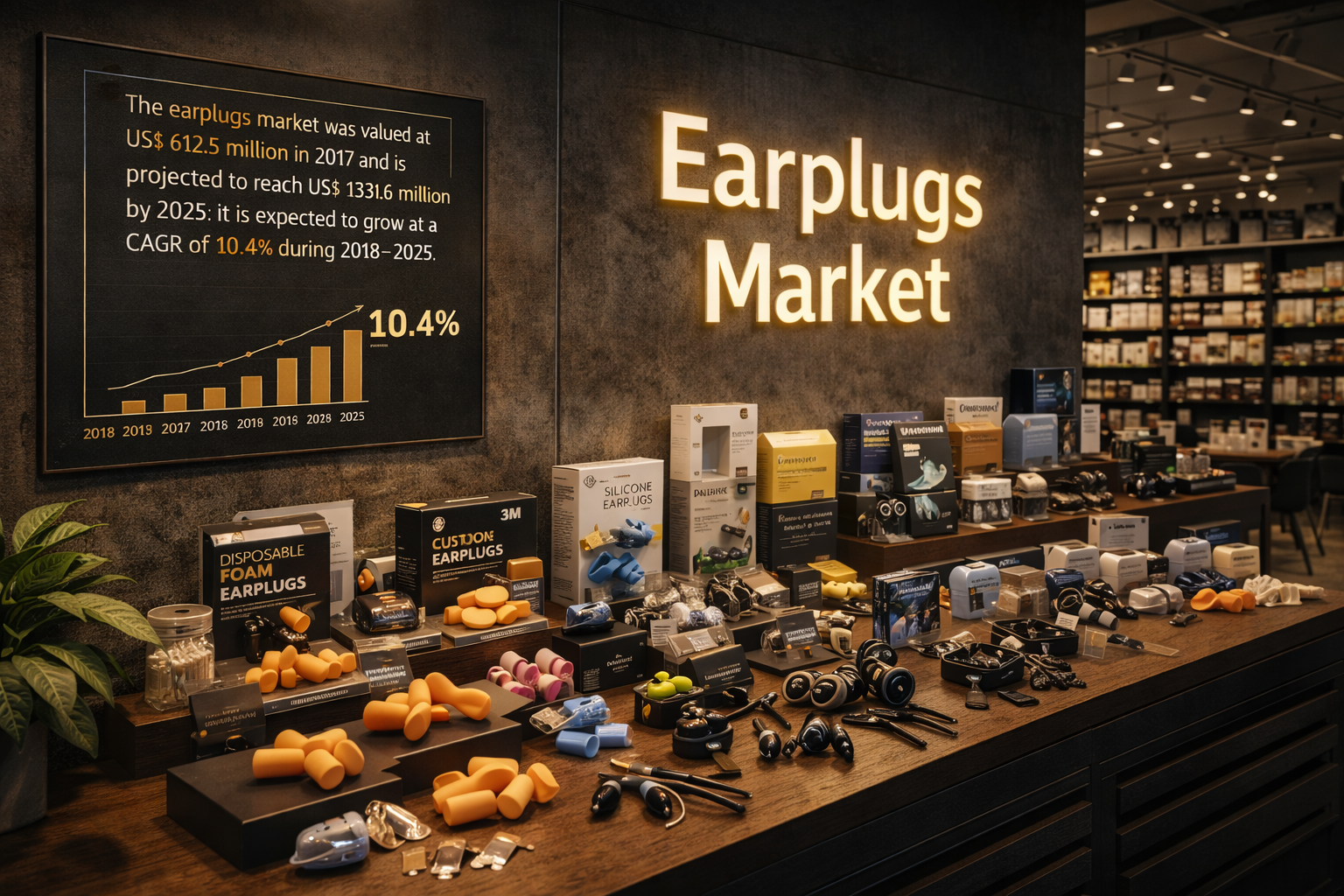
Earplugs are compact devices designed to protect hearing by reducing exposure to excessive noise. They are widely used in industrial environments, healthcare settings, and personal applications such as sleep, travel, and recreational activities. Manufactured from materials like foam, silicone, and wax, earplugs provide varying levels of comfort and noise reduction. With increasing awareness...
Website design plays a crucial role in establishing a strong online presence for businesses, organizations, and individuals. A well-designed website serves as a digital storefront that produces a positive first impression and encourages visitors to explore further. Modern website design combines visual appeal, functionality, and usability to supply a seamless experience across various devices...

When plumbing problems arise, finding a skilled and dependable professional is essential. Whether it’s a leaking tap, blocked drain, burst pipe, or a full plumbing installation, choosing the right Plumber Wembley or Plumber Woodlands can save time, money, and unnecessary stress. Scarboro Plumbing has built a strong reputation for delivering high-quality plumbing solutions with a focus on...