Are Digital Safe Boxes Safer Than Key-Lock Safes?

Picture this: you're standing at the safe, key in hand, and it's nowhere to be found. You've checked every drawer, every pocket, even the junk jar on the kitchen counter — nothing. Now imagine the same scenario, except instead of a key, all you need is a four-digit code you've known by heart for years. That single difference is exactly why so many Australians are rethinking what "secure" actually means when it comes to safe boxes.
So, are digital safe boxes actually safer than key-lock safes? The honest answer is: it depends on what you mean by "safer." In terms of raw physical security, both lock types can be equally tough to crack when built well. But when you factor in convenience, control, and real-world usability, digital locks tend to come out ahead for most modern households and businesses.
Let's break down why.
Speed and access control
Digital locks use an electronic keypad — you punch in a PIN, and you're in. Some models even offer biometric options like fingerprint access. Compare that to a key-lock safe, where you need to physically locate and use a key every single time. In an emergency, or when you're juggling groceries and a toddler, that few seconds of difference actually matters. Digital locks are especially popular for exactly this reason — quick, convenient access when you need it most.
There's also the access-control factor. With a key-lock safe, anyone holding a copy of that key can open it — no questions asked. Digital safes let you change your PIN whenever you like, without anyone else knowing, which is genuinely useful if staff change at your business, a tradesperson has been in your home, or you simply want peace of mind knowing your code hasn't been duplicated.
Where key locks still win
Here's the twist — key-lock safes aren't the outdated underdog they're sometimes made out to be. They're purely mechanical, meaning there's no battery to die and no keypad to glitch out on you at the worst possible moment. If you've ever been locked out of your phone because the battery died, you already understand the appeal of a lock that simply can't run out of power.
Key locks are also often more affordable and require very little maintenance beyond the occasional bit of lubrication. For people who prefer a "set and forget" solution with zero tech involved, that reliability is hard to beat.
The real weak points of each
Digital locks do rely on batteries or mains power, so if you forget to check them, you could find yourself locked out until you swap them. Cheaper digital keypads can also wear out or glitch with heavy daily use. On the flip side, key locks come with the very real risk of a lost or copied key — and if you misplace it, getting back into your own safe can mean an expensive locksmith call-out.
So which one should you actually choose?
If your priority is speed, flexible access control, and features like multiple user codes or audit trails (great for businesses), a digital lock is likely the better fit. If you'd rather have a mechanical, low-maintenance option that never needs charging or replacing, a key lock is a perfectly secure, time-tested choice.
The truth is, neither option is definitively "unsafe" — both can meet serious security standards when they're built by a reputable manufacturer. The real decision comes down to how you live, how often you'll be opening the safe, and how much you value convenience over simplicity.
Still not sure which lock type suits your home or business? It's worth comparing a few certified digital and key-lock safe options side by side before deciding — because the safest safe is always the one that actually fits how you use it.
Categorii
Citeste mai mult
Healthcare professionals face increasing demands in their daily work. Physicians must diagnose illnesses, provide treatment, and maintain detailed clinical documentation for every patient encounter. Accurate documentation is essential for medical records, but it can also consume a significant amount of time. To manage this challenge, healthcare providers often rely on medical scribe services. A...

"According to the latest report published by Data Bridge Market Research, the Buruli Ulcer Treatment Market The Buruli ulcer treatment market is estimated to gain market growth in the upcoming forecasted years. Data Bridge Market Research analyses the market is growing at a healthy CAGR of 4.3% in the above-mentioned research forecast period. This Buruli Ulcer Treatment...

Hollywood studios are hopeful that their share of box office revenue in China will soon improve, reversing a trend of decline that has left their earnings among the lowest globally. Recently, officials from China Film Group expressed openness to renegotiating the terms of film rentals during discussions with U.S. distributors and the Motion Picture Association in Beijing. Leaders of major...

Fragrance is more than just a scent; it is an expression of personality, confidence, and individuality. In today’s competitive market, consumers seek perfumes that not only smell exceptional but also tell a story. A well-crafted fragrance can create a lasting impression and elevate everyday experiences. With the support of zuofun, customers can explore premium fragrance options designed...
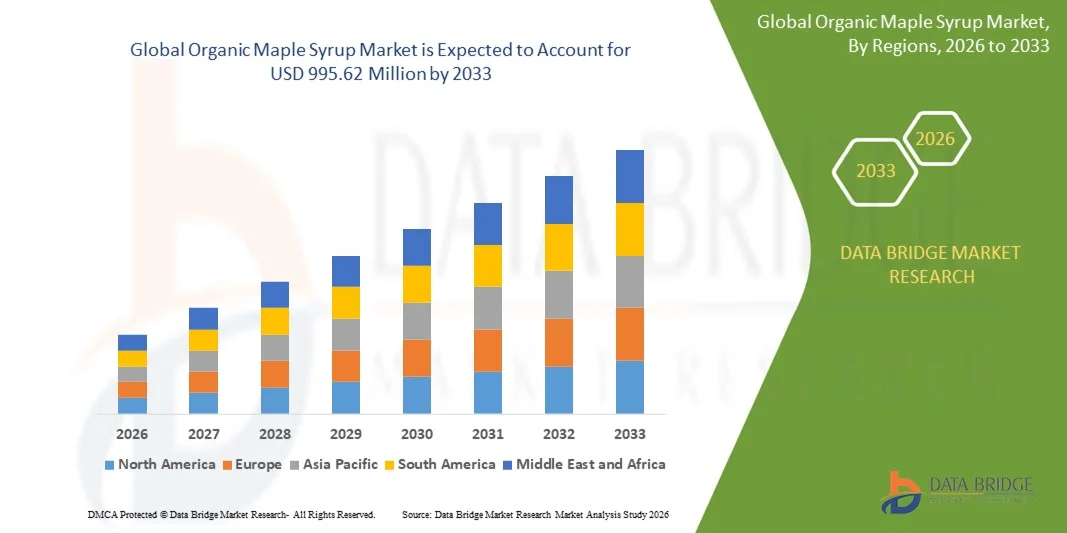
According to the latest report published by Data Bridge Market Research, the Organic Maple Syrup Market The global organic maple syrup market size was valued at USD 566.62 million in 2025 and is expected to reach USD 995.62 million by 2033, at a CAGR of 7.30% during the forecast period. A talented team works strictly with their potential capabilities to...