PropTech in India 2026: Market Size, Trends, and What It Means for Real Estate Marketers

I was talking to a developer friend last month, and he said something that stuck with me: "half my buyers have already toured the flat virtually before they ever call my sales team." That's PropTech in a nutshell, quietly changing how homes get discovered, evaluated, and eventually sold. If you're already working with a real estate seo company on visibility, 2026 is the year that relationship needs to expand beyond just rankings, because the tools buyers use to find you are changing fast.
Let's look at where PropTech in India actually stands right now, and what it practically means if you're the one responsible for marketing a project.
How Big Is India's PropTech Market Right Now
India's PropTech sector has grown steadily over the past few years, pulled forward by rising smartphone use, better internet access even in tier-2 and tier-3 cities, and buyers who now expect the same convenience from real estate that they get from every other online purchase. Investment in property-tech startups has picked up too, particularly in areas like virtual tours, CRM automation, and AI-based buyer matching.
The short version: this isn't a niche trend anymore. It's becoming standard infrastructure for how real estate gets bought and sold in India.
The Trends Actually Worth Paying Attention To
1. AI-powered property discovery. Buyers are increasingly using AI tools to shortlist properties before they ever browse a listing site directly. This changes what "getting found" even means, since your content now needs to be understandable to AI systems, not just search engines.
2. Virtual and augmented reality tours. 3D walkthroughs have moved from a nice-to-have to a genuine expectation, especially for NRI buyers or anyone shopping from a different city.
3. CRM and automation platforms. Sales teams are relying more on automated follow-ups, lead scoring, and WhatsApp-based communication to manage larger volumes of inquiries without losing responsiveness.
4. Data-driven pricing tools. Dynamic pricing models, similar to what you'd see in travel or e-commerce, are slowly making their way into how developers price inventory across a project's lifecycle.
5. Voice and conversational search. More buyers are asking questions out loud to their phones or AI assistants instead of typing search queries. This is quietly reshaping SEO strategy for the entire industry, and it's one of the main reasons developers are turning to a real estate seo company earlier in the project timeline instead of after launch.
What This Actually Means for Real Estate Marketers
Here's where it gets practical, because trends are only useful if they change what you actually do.
Your content needs to answer questions, not just rank. With AI tools summarizing information for buyers, your website content needs to be structured clearly enough that these tools can extract and use it. This is exactly the kind of shift a good real estate seo company should already be adapting your strategy around.
Visual content is no longer optional. If your listings don't include a virtual tour or high-quality visual content, you're likely losing serious buyers to projects that do, especially outstation buyers who can't visit easily.
Speed of response matters more than ever. Automation tools have raised buyer expectations. A slow response that used to be acceptable now feels like poor service, simply because the market has moved faster around it.
Local, hyperlocal targeting works better with better data. PropTech platforms are giving marketers access to far more granular buyer data, which means broad, generic campaigns are becoming less effective than tightly targeted ones. Most real estate seo company teams are already building this kind of hyperlocal targeting into their content and keyword strategy.
A Simple Way to Think About It
PropTech isn't really about flashy new gadgets, it's about removing friction. Every trend on this list, virtual tours, AI matching, automation, exists because it makes the buying process faster and less confusing for someone sitting hundreds of kilometers away from the property. Marketers who treat these tools as friction-removers, not just features, tend to get the most out of them.
Final Thoughts
2026 is shaping up to be the year PropTech stops being an experiment and starts being the baseline buyers expect. Developers and marketers who adapt their content, visuals, and response systems accordingly will be the ones capturing serious buyer attention. If you're not sure where your current strategy stands, it's worth having a real estate seo company audit how your content performs across both traditional search and the newer AI-driven discovery tools, since the gap between the two is only going to widen from here.
Categorias
Leia Mais
Finding the perfect place to stay can make all the difference when you travel. If you are planning a visit to Pollachi and searching for affordable hotel rooms in Pollachi, you want a space that combines comfort, convenience, and value without stretching your budget. Whether you are a tourist exploring nature, a family on vacation, or a business traveler on a short trip, choosing the...

A healthy, radiant smile is one of the most powerful assets a person can have. It influences confidence, social interactions, and even professional opportunities. Modern dentistry has evolved beyond basic treatments, offering advanced cosmetic solutions that enhance both the appearance and function of teeth. For individuals seeking high-quality Cosmetic Dentistry Westlake Village or...
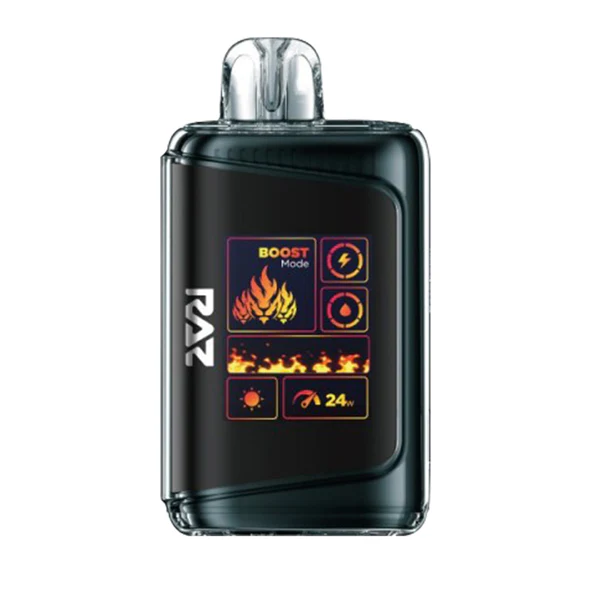
Vaping has grown into a lifestyle choice for many, and devices like the Raz tobacco vape have made it easier to enjoy rich, smooth flavors without the hassle of traditional cigarettes. I recently tried the Raz Vape 9000, and I was impressed by how long-lasting and satisfying it felt. This device blends convenience with a high-quality vaping experience, perfect for anyone looking to...
Maintaining a healthy weight can be a challenge for many adults, especially in the United States where busy schedules, stress, and modern lifestyles often make it difficult to stick to a consistent diet and exercise routine. Even with the best intentions, it’s not uncommon to feel stuck with slow progress, low energy, or stubborn fat that seems impossible to shed. Supplements like...

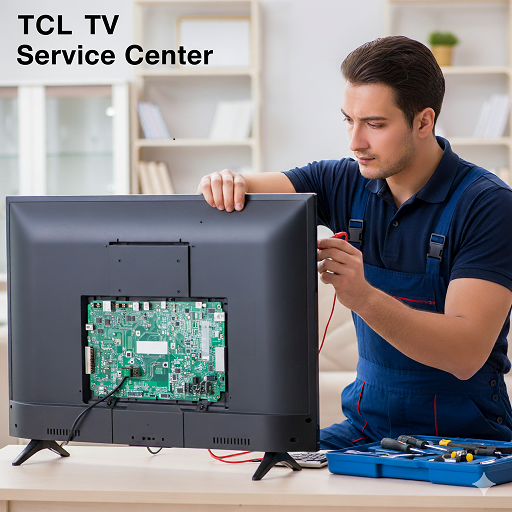
Introduction In today’s fast-paced lifestyle, convenience plays a major role when it comes to home appliance repairs. Television issues can be frustrating, especially when you have to disconnect, pack, and transport a large screen to a workshop. This is where the TCL TV Service Center provided by Dial Service Centre becomes highly valuable. One of the most frequently asked questions by...