How Pacific Galvanizing Optimizes Hot Dip Galvanizing for Cost and Performance in Northern California

The relationship between cost and performance in hot dip galvanizing is more nuanced than a simple trade-off might suggest. It's not the case that better performance always costs more, or that lower cost always means compromised performance. With the right process knowledge, specification choices, and procurement approach, it is frequently possible to achieve excellent galvanizing performance at competitive cost — and that's what Pacific Galvanizing's approach to optimization is designed to deliver for its Northern California clients.
Process Optimization That Reduces Waste Without Compromising Quality
A significant component of galvanizing cost is zinc consumption — the amount of zinc that becomes part of the coating and must be replaced. Zinc bath management practices that minimize unnecessary zinc consumption through dross formation, zinc oxide generation, and excess coating thickness on lower-specification work all reduce operating cost without compromising coating quality on any individual piece. Pacific Galvanizing's metallurgical knowledge and process management discipline allow it to maintain zinc bath chemistry that minimizes waste zinc, which in turn contributes to competitive pricing for clients without requiring any reduction in coating quality.
Design Consultation That Prevents Expensive Problems
One of the most cost-effective investments Pacific Galvanizing makes in client relationships is pre-fabrication design consultation. A fabrication design that is optimized for galvanizing — with appropriate vent holes, drainage allowances, and surface access — processes faster, uses less zinc, and produces better coating quality than a design that creates process challenges. Conversely, a design with trapped air pockets, overlapping surfaces, or insufficient drainage requires extra handling time, may produce incomplete coating, and may require rework after galvanizing. The cost of addressing these issues before fabrication is trivial; the cost of addressing them after fabrication can be significant. Pacific Galvanizing's design consultation service helps clients avoid the latter.
Specification Optimization for the Specific Application and Environment
Over-specification and under-specification are both costly. A project in a mild inland environment that specifies galvanizing to coastal marine standards is over-specified — the extra coating thickness and documentation requirements add cost without providing proportional value in the actual service environment. A project in a highly aggressive coastal environment that specifies only minimum ASTM coatings may be under-specified — the structure will need recoating or replacement sooner than a properly specified structure would, resulting in higher lifecycle cost despite lower initial cost. Pacific Galvanizing's regional knowledge allows it to advise clients on specifications that are appropriately calibrated to their specific Northern California locations and service conditions, avoiding both over- and under-specification.
Volume and Scheduling Strategies That Improve Economics
Galvanizing cost per pound decreases as volume increases, and production efficiency increases when work is scheduled in ways that allow optimal batch sizes and minimal setup changes. Clients who can consolidate multiple project batches into fewer, larger galvanizing runs typically achieve better pricing than those who send small, frequent batches. Clients who can provide advance notice of upcoming work allow Pacific Galvanizing to schedule their production slots more efficiently, which benefits both parties. For clients with predictable ongoing galvanizing requirements, blanket agreements that commit to estimated annual volumes in exchange for preferred pricing and scheduling priority can be significantly more cost-effective than spot procurement on a job-by-job basis. Northern California Galvanizing clients who take advantage of these scheduling and volume strategies consistently achieve better overall economics on their galvanizing programs.
Quality That Prevents the Highest Cost of All: Project Failure
The most expensive outcome in galvanizing procurement is a quality failure — product that fails inspection, must be reworked or replaced, and delays a project. The cost of rework includes the direct cost of the corrective work, the transportation cost of returning material to the galvanizer, the schedule delay and its downstream consequences, and the administrative cost of managing the problem. These costs typically dwarf the processing cost savings that might have been achieved by choosing a lower-cost but lower-quality galvanizer. Pacific Galvanizing's quality management investment is ultimately an investment in avoiding these failure costs, and the financial benefit of that avoidance is the most important component of the value Pacific Galvanizing delivers to its clients.
Long-Term Partnership as the Ultimate Optimization
The most optimized state of a galvanizing procurement relationship is one where the galvanizer knows the client's products, quality standards, and scheduling patterns well enough to provide proactive service without requiring detailed hand-holding on each job. This level of efficient, frictionless service is only achievable through a sustained relationship in which both parties have invested in understanding each other's needs and capabilities. Pacific Galvanizing actively cultivates this kind of long-term partnership with its Northern California clients, because it understands that the best value it can provide — to clients and to itself — is delivered through relationships built on consistent performance, transparent communication, and mutual commitment to shared success.
Nach Verein filtern
Read More
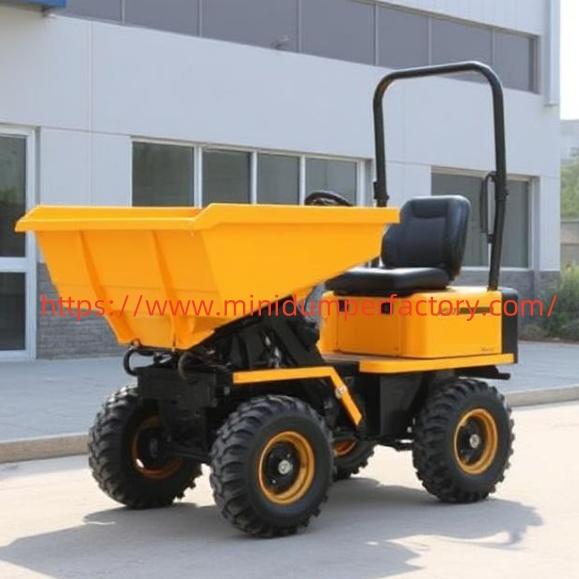
In many modern outdoor work environments, particularly in construction and agriculture, the Power Barrow has become an essential piece of equipment due to its efficiency and versatility. Designed to assist with transporting heavy loads over various terrains, this tool bridges the gap between manual labor and motorized transport, offering a practical solution for improving daily operations on...
Betäubungs-Engine der W-Engine Der wertvolle versteinerte Kern gehört zur W-Engine der Stufe A und wurde speziell zur Verstärkung von Betäubungseffekten entwickelt. Er erhöht die Benommenheitseffekte, besonders bei Gegnern mit hoher Lebenspunktzahl. Ein besonderes Merkmal dieses Kerns ist der Effekt „Behemoth Hunter“, der die Betäubung um bis zu 20 %...

Making SAS A00-250 Exam Study Simple and Stress-Free Preparing for the SAS A00-250 exam does not have to feel stressful or confusing. Many students struggle because they study too much without a clear plan. They read many resources but still feel unsure about what really matters for the exam. Choosing clear and trusted SAS A00-250 study material makes preparation simple, focused, and more...

The way visitors enter workplaces has changed dramatically in recent years. Businesses are placing greater emphasis on efficiency, security, and visitor satisfaction, leading many organizations to adopt QR Code-Based Check-In systems. What was once a simple reception task has become an important part of workplace operations, and companies are looking for smarter ways to manage it. QR code...

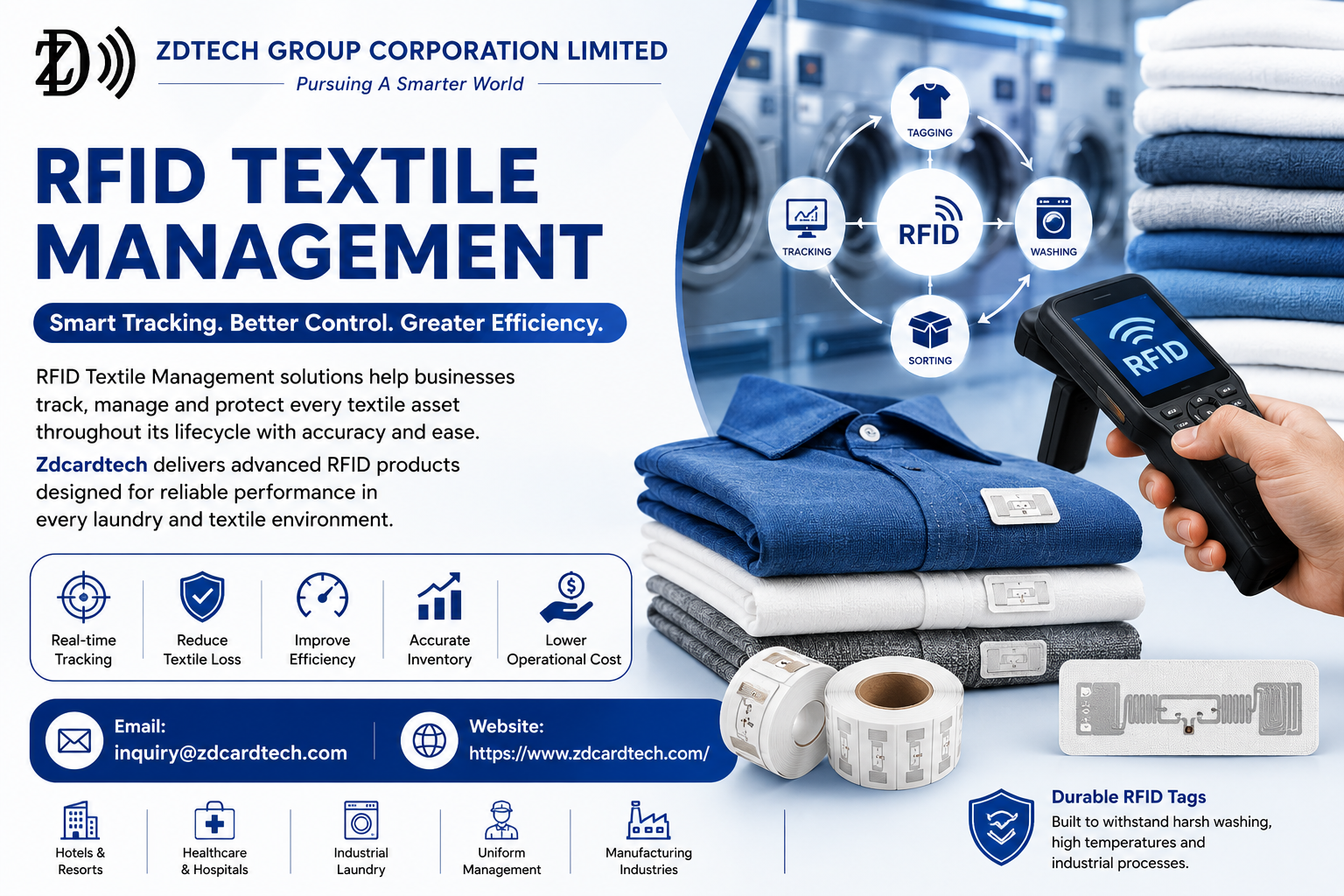
The textile industry is rapidly embracing digital innovation to improve efficiency, reduce operational costs, and enhance inventory accuracy. Hotels, hospitals, industrial laundries, garment manufacturers, and uniform management companies are increasingly adopting RFID Textile Management solutions to automate textile tracking and streamline daily operations. With intelligent RFID...