SPARK Matrix™: Card Management System (CMS), Q4 2025 – Evaluating the Global Leaders

QKS Group's SPARK Matrix™: Card Management System (CMS), 2025 provides a comprehensive analysis of the global CMS landscape. The research offers valuable insights into market trends, technology innovation, competitive dynamics, and vendor capabilities, helping both technology providers and financial institutions make informed business and investment decisions.
The Growing Importance of Modern Card Management Systems
As payment ecosystems become increasingly digital, traditional card management solutions are no longer sufficient to support evolving business requirements. Financial institutions must manage multiple card products, payment networks, customer channels, and regulatory obligations while delivering consistent and secure user experiences.
A modern Card Management System (CMS) centralizes card operations within a unified platform that manages every stage of the card lifecycle—from customer onboarding and card issuance to activation, transaction processing, fraud monitoring, dispute resolution, settlement, and program management. By integrating these capabilities into a single solution, organizations can streamline operations, reduce complexity, and accelerate the launch of innovative payment products.
With the rapid expansion of digital wallets, contactless payments, embedded finance, and Banking-as-a-Service (BaaS), the demand for flexible, scalable, and API-driven CMS platforms continues to grow across both established financial institutions and emerging fintech providers.
Comprehensive Market Insights from QKS Group
The SPARK Matrix™: Card Management System (CMS), 2025 delivers a detailed assessment of the global CMS market, covering emerging technology trends, evolving market dynamics, competitive developments, and the future outlook for card management solutions.
The research is designed to help technology vendors understand changing market requirements and strengthen their product strategies while enabling banks, payment processors, fintech companies, and enterprises to evaluate vendors based on innovation, technology capabilities, customer impact, and competitive differentiation.
As digital payments continue to reshape the financial services industry, the report serves as an essential resource for organizations planning modernization initiatives or evaluating next-generation card management platforms.
SPARK Matrix™: Benchmarking the Leading CMS Vendors
At the heart of the research is QKS Group's proprietary SPARK Matrix™, a comprehensive evaluation framework that assesses leading Card Management System vendors based on two key dimensions:
- Technology Excellence
- Customer Impact
The framework provides a structured comparison of vendor capabilities, product innovation, implementation maturity, market presence, customer value, and strategic vision. This objective evaluation enables decision-makers to identify solution providers that best align with their operational goals and digital transformation strategies.
The 2025 SPARK Matrix™ includes an in-depth evaluation of leading global CMS vendors, including FIS, Fiserv, HPS, BPC, OpenWay, Marqeta, Paymentology, Compass Plus Technologies, Enfuce, Worldline, Stripe, Tietoevry, Network International, i2c, Adyen, Euronet, Jack Henry, Paycore, and Software Group.
Each vendor is analyzed for its product capabilities, innovation roadmap, customer adoption, and competitive positioning, providing a comprehensive view of the evolving card management ecosystem.
What Defines a Modern Card Management System?
According to Pradnya Gugale, Principal Analyst at QKS Group, a Card Management System (CMS) is a comprehensive platform designed to manage the entire lifecycle of payment cards. From issuance and activation to transaction processing, security, settlement, and customer servicing, CMS platforms enable banks and fintech organizations to efficiently manage diverse card programs through a unified operational framework.
Modern CMS solutions support a wide range of functionalities, including customer onboarding, card issuance, transaction authorization, fraud prevention, dispute and chargeback management, loyalty and rewards, compliance management, and settlement processing. By consolidating these capabilities into a single platform, organizations can improve operational efficiency while delivering seamless customer experiences across multiple payment channels.
Emerging Technologies Transforming Card Management
The evolution of Card Management Systems is being driven by several transformative technologies that are reshaping the payments industry.
Cloud-native architectures provide greater scalability, flexibility, and resilience, enabling organizations to rapidly deploy new card programs while reducing infrastructure costs and simplifying system maintenance.
API-first platforms allow seamless integration with core banking systems, digital wallets, payment gateways, merchant ecosystems, and third-party fintech applications. This interoperability enables faster innovation and supports the growing adoption of Open Banking and embedded finance.
Artificial Intelligence (AI) and Machine Learning (ML) are enhancing fraud detection, transaction monitoring, customer analytics, and risk management. Intelligent automation enables organizations to identify suspicious activities in real time, reduce false positives, and improve operational efficiency.
Advanced analytics also help financial institutions gain deeper insights into customer behavior, enabling personalized offers, dynamic loyalty programs, and improved customer engagement.
Supporting Security, Compliance, and Risk Management
Security remains a top priority for card issuers and payment providers. Modern Card Management Systems incorporate advanced security features such as tokenization, encryption, multi-factor authentication, real-time fraud detection, and behavioral analytics to protect cardholders and reduce financial losses.
At the same time, integrated compliance capabilities help organizations meet evolving regulatory requirements related to payment security, anti-money laundering (AML), Know Your Customer (KYC), data privacy, and dispute management. Automated compliance workflows reduce manual effort while ensuring consistent adherence to industry standards.
Looking Ahead
The future of card management will be shaped by digital-first banking, real-time payments, embedded finance, AI-driven automation, and cloud-native technologies. Financial institutions that invest in modern Card Management Systems will be better positioned to launch innovative payment products, enhance security, strengthen regulatory compliance, and deliver exceptional customer experiences.
The SPARK Matrix™: Card Management System (CMS), 2025 serves as a trusted guide for understanding the competitive landscape, evaluating leading technology providers, and navigating the rapidly evolving card payments market. As digital payments continue to transform financial services, organizations can leverage the insights from this research to make informed technology investments and build agile, future-ready card management ecosystems.
Categorii
Citeste mai mult
Maintaining a consistent daily routine is easier when supplements are simple and enjoyable. Multivitamin gummies for men from LIVS Gummies are created for adult men who prefer a chewable alternative to traditional multivitamin tablets. These gummies offer a balanced blend of essential vitamins and minerals in a format that fits naturally into everyday life. With natural strawberry, raspberry,...

Bandar Judi Slot Terpercaya menawarkan pengalaman slot online yang komprehensif, melayani pemain yang mencari gameplay yang menyenangkan, bonus yang menguntungkan, dan hiburan yang aman. Platform ini menampilkan berbagai macam permainan slot dengan tema yang menarik, performa yang lancar, dan peluang untuk memenangkan jackpot dan putaran gratis. Baik Anda pemain baru atau pemain berpengalaman...

We must take every action possible to fortify our position! In Kingshot, a Power Up event occurs several times during a state's initial phase. You accumulate points by finishing various tasks, which then allows you to unlock tiered milestone rewards. Each subsequent milestone demands a greater point total than the last. This two-day event features four distinct milestone rewards, all available...

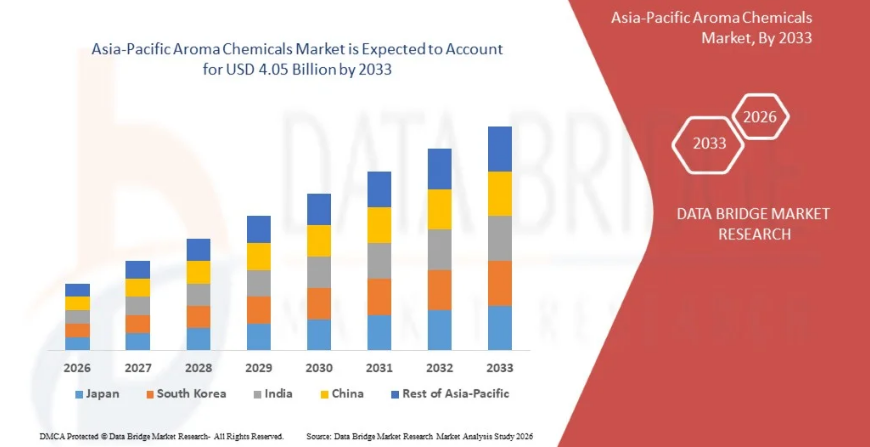
Executive Summary Asia-Pacific Aroma Chemicals Market Research: Share and Size Intelligence CAGR Value The Asia-Pacific Aroma Chemicals market size was valued at USD 2.15 billion in 2025 and is expected to reach USD 4.05 billion by 2033, at a CAGR of 8.2% during the forecast period The all-inclusive Asia-Pacific Aroma Chemicals Market report is the best to know the trends and...
Introduction In today's highly competitive online marketplace, businesses must establish a strong digital presence to attract customers and remain ahead of competitors. Consumers increasingly rely on the internet to research products, compare services, and make purchasing decisions. This shift in consumer behavior has made digital marketing an essential component of business success. Many...