Procurement Technology Solutions: The Ultimate Guide for Modern Enterprises in 2026

Introduction
As enterprises face increasing supply chain complexity, stricter compliance requirements, and greater pressure to reduce costs, digital transformation has become essential for procurement. Modern organizations are shifting away from manual purchasing processes toward intelligent systems that improve efficiency, visibility, and strategic decision-making. Procurement technology solutions empower businesses to automate routine tasks, gain actionable insights from data, and strengthen supplier relationships while supporting long-term growth. Industry research also shows that AI, automation, and integrated procurement platforms are becoming core priorities for procurement leaders in 2026.
What Modern Procurement Technology Includes
Today's procurement ecosystem extends far beyond electronic purchasing. It connects sourcing, supplier management, contract administration, purchasing, invoicing, spend analytics, and reporting within a unified digital environment. Advanced capabilities such as artificial intelligence, machine learning, predictive analytics, and robotic process automation help organizations streamline repetitive activities while enabling procurement teams to focus on strategic initiatives. These technologies create greater transparency across the procurement lifecycle and support faster, more informed business decisions.
Key Benefits for Enterprises
Digital procurement platforms deliver measurable business value by reducing manual effort, improving process accuracy, and increasing operational efficiency. Automated workflows shorten approval cycles, minimize administrative errors, and provide complete audit trails that simplify regulatory compliance. Real-time spend visibility enables organizations to identify savings opportunities, negotiate more effectively with suppliers, and maintain better budget control. Integrated supplier data also improves collaboration and helps organizations respond more effectively to market disruptions and supply chain risks.
Essential Features to Evaluate
Selecting the right technology requires careful evaluation of business requirements rather than focusing solely on software features. Enterprises should prioritize scalable platforms that integrate with existing business systems while supporting end-to-end procurement processes. Important capabilities include centralized supplier information, automated approvals, contract lifecycle management, spend analytics dashboards, configurable workflows, risk monitoring, and AI-assisted recommendations. Strong cybersecurity controls, data governance, and flexible reporting are equally important to ensure reliable long-term performance.
Emerging Trends Shaping 2026
Artificial intelligence is rapidly evolving from an experimental capability into a practical business tool that enhances procurement performance. Organizations increasingly use AI to forecast demand, identify supplier risks, recommend sourcing strategies, and automate document processing. Sustainability reporting, predictive analytics, and intelligent supplier evaluation are also becoming standard capabilities as enterprises seek greater resilience and responsible procurement practices. At the same time, organizations are investing in integrated digital ecosystems that connect procurement with finance, operations, and supply chain functions for improved enterprise-wide visibility.
Best Practices for Successful Implementation
Technology alone does not guarantee successful transformation. Enterprises should begin by assessing current procurement processes, identifying operational bottlenecks, and defining measurable business objectives. Stakeholder engagement, employee training, and phased implementation help reduce disruption while encouraging adoption. Continuous performance monitoring ensures the system evolves alongside changing business needs and regulatory requirements. Organizations that combine digital innovation with effective governance and process optimization are more likely to achieve sustainable operational improvements and long-term return on investment.
Conclusion
Modern procurement is no longer limited to transactional purchasing. It has become a strategic business function that drives efficiency, resilience, cost optimization, and informed decision-making. By investing in the right digital capabilities and following a structured implementation strategy, enterprises can build agile procurement operations that adapt to evolving market conditions while delivering measurable value across the organization.
Catégories
Lire la suite
Jalwa Tashan Invite Code – Complete Guide for New Users If you are planning to create a new Jalwa Tashan account, you may notice an option to enter an invite code during the registration process. Many users wonder what an invite code is, whether it is required, and how it should be used. This guide explains the purpose of the Jalwa Tashan Invite Code, how to use it correctly, and the best...

The arterial filter market is emerging as a vital component of the global healthcare landscape, fueled by the growing emphasis on safer and more efficient cardiac procedures. Arterial filters are used in extracorporeal circulation systems to eliminate air bubbles, clots, and microscopic debris from the bloodstream before it is reintroduced into the patient’s body. By minimizing...

"According to the latest report published by Data Bridge Market Research, the Orthodontic Retainers Market The global orthodontic retainers market size was valued at USD 362.75 million in 2025 and is expected to reach USD 795.86 million by 2033, at a CAGR of 10.32% during the forecast period With the clear understanding of customer requirement, one...

You search for "24Hr towing near me" at 2 AM because your car died on a dark road. Maybe you are coming home late from work. Maybe your kid needs a ride. Or maybe you just want to sleep in your own bed. But here is the hard truth — not every company that says "24 hours" actually answers at 2 AM. Some let the phone ring. Others send you to voicemail. At City Boy Towing, we...

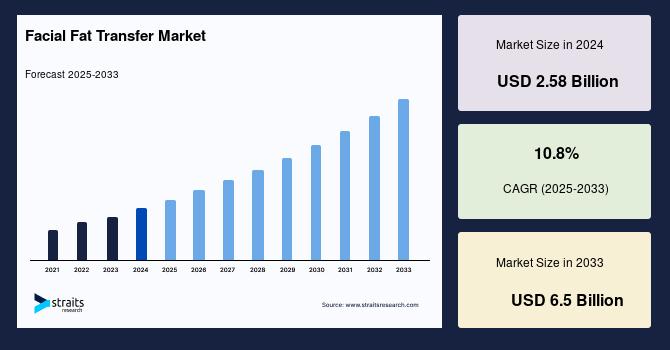
Facial Fat Transfer Industry Insights: Straits Research recently introduced the latest update on the Facial Fat Transfer Market that provides an extensive outlook of the market, analyzing key growth opportunities, challenges, risk factors, and emerging trends across diverse geographic regions. The report offers a definitive and meticulous analysis of the Facial Fat Transfer...