Grid Connection in New Zealand: Complete Guide to Costs, Process & Requirements
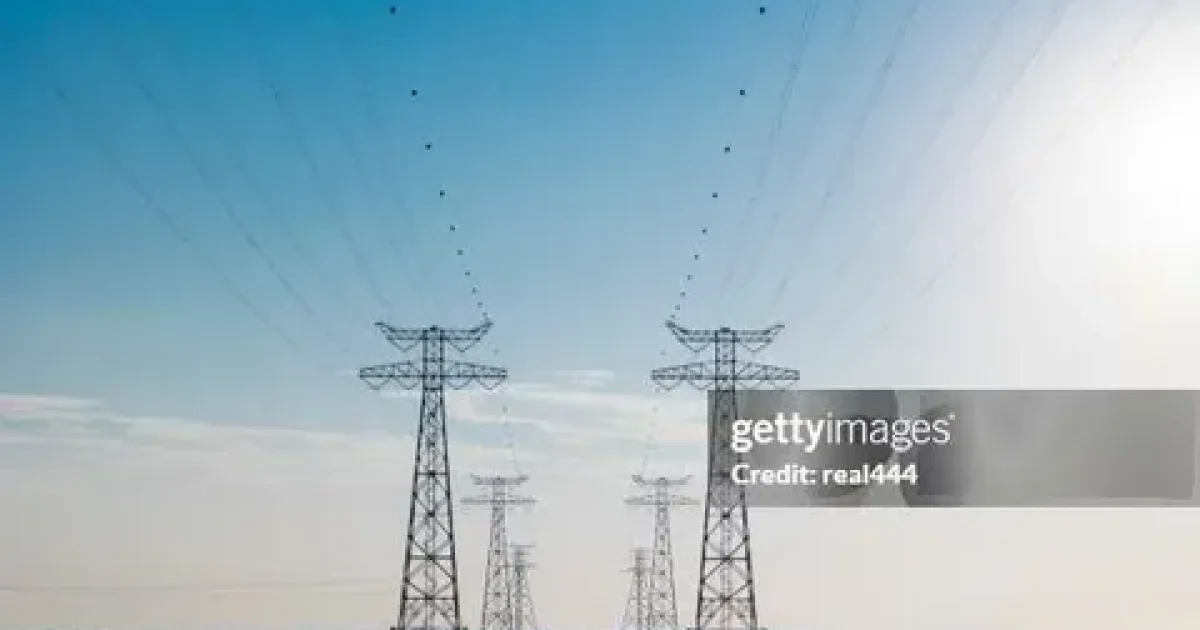
Connecting your property to the electricity grid is one of the most important steps when building a new home, renovating a property, or installing a commercial facility in New Zealand. Whether you’re a homeowner, developer, or business owner, understanding the grid connection process in New Zealand can save you time, money, and unnecessary delays.
This guide explains everything you need to know—from connection costs and application steps to legal requirements and practical tips for a smooth installation.
What Is a Grid Connection?
A grid connection is the process of linking your property to New Zealand’s electricity distribution network. Once connected, your home or business can safely receive electricity supplied through your chosen electricity retailer.
A grid connection is required for:
- New residential homes
- Commercial buildings
- Industrial facilities
- Rural properties
- Apartment developments
- Solar power systems exporting electricity to the grid
When Do You Need a New Grid Connection?
You may need a new connection if you are:
- Building a new house
- Constructing a commercial property
- Subdividing land
- Installing a new electricity meter
- Upgrading your existing power supply
- Connecting a solar PV system for grid export
Grid Connection Process in New Zealand
Although the process can vary slightly between electricity distribution companies, the typical steps include:
1. Submit an Application
Your electrician or contractor submits a connection request with property details and expected electricity demand.
2. Network Assessment
The local electricity distributor checks whether nearby infrastructure can support the new connection.
3. Receive a Quote
You’ll receive an estimate covering:
- Connection fees
- Equipment costs
- Labour
- Network upgrades (if required)
4. Accept the Quote
After approval and payment, the distributor schedules the work.
5. Installation
Qualified technicians install:
- Service lines
- Metering equipment
- Connection hardware
- Safety protection devices
6. Inspection and Activation
After inspection, electricity is activated, and your property is ready for use.
Grid Connection Costs in New Zealand
The total cost depends on several factors.
Typical influences include the following:
Distance from the nearest electricity network
Property location
Required electrical capacity
Underground or overhead connection
Existing infrastructure
Network upgrades
Factors That Increase Costs
Rural locations
Long cable runs
Large commercial loads
Complex installations
Road crossings
Additional transformers
Requesting a detailed quotation before construction begins helps avoid unexpected expenses.
Documents Required
Most applications require:
Property address
Site plan
Electrical load details
Building consent (if applicable)
Licensed electrician information
Connection application form
Providing complete documentation speeds up approval.
How Long Does Grid Connection Take?
Typical timelines include:
| Stage | Estimated Time |
|---|---|
| Application Review | 5–10 business days |
| Quotation | 1–3 weeks |
| Installation Scheduling | 2–6 weeks |
| Final Connection | Depends on project complexity |
Large commercial developments may require additional planning.
Grid Connection for Solar Systems
If you’re installing solar panels, you’ll need approval before exporting electricity back to the grid.
The distributor checks:
- Inverter compliance
- Export capacity
- Safety requirements
- Network stability
After approval, your solar system can safely supply surplus electricity to the grid.
Requirements for a Successful Grid Connection
To avoid delays, ensure that:
A registered electrician completes the work.
Electrical installations meet New Zealand standards.
Property access is available.
Required permits are approved.
Network requirements are satisfied.
Planning early reduces project delays.
Advantages of Grid Connection
Choosing a professional grid connection offers several benefits.
Advantages
Reliable electricity supply
Supports future energy needs
Increases property value
Enables solar power export
Meets legal and safety requirements
Suitable for residential and commercial properties
Disadvantages
Like any infrastructure project, there are some challenges.
Disadvantages
- Initial connection costs can be significant.
- Rural properties may require additional infrastructure.
- Approval timelines vary depending on network demand.
- Unexpected upgrades may increase project costs.
Despite these factors, a properly planned connection provides long-term value and dependable electricity access.
Tips to Reduce Grid Connection Costs
You can often lower expenses by:
- Applying early during project planning
- Using experienced electrical contractors
- Providing complete application documents
- Designing efficient electrical systems
- Coordinating with builders before construction begins
Good planning helps minimise delays and unnecessary costs.
Common Mistakes to Avoid
Many applicants experience delays because they:
Submit incomplete applications
Underestimate electrical demand
Ignore distributor requirements
Delay inspections
Hire unqualified contractors
Avoiding these mistakes helps ensure a smoother connection process.
Frequently Asked Questions
How much does a grid connection cost in New Zealand?
Costs vary depending on property location, electricity demand, network availability, and installation complexity. Request a personalised quote from your local electricity distributor.
How long does the process take?
Most residential projects are completed within a few weeks, while larger developments may take longer.
Can I connect solar panels to the grid?
Yes. Solar systems must meet technical and safety requirements before approval for grid export.
Do I need a licensed electrician?
Yes. Electrical work must be carried out by a qualified professional to comply with New Zealand regulations.
Can rural properties connect to the electricity grid?
Yes, although rural connections may require additional infrastructure and higher installation costs.
Final Thoughts
A successful grid connection in New Zealand starts with careful planning, accurate documentation, and professional installation. Whether you’re building a new home, upgrading an existing property, or connecting a solar energy system, understanding the process helps you avoid delays and unexpected costs.
By working with experienced electrical professionals and planning your project early, you can ensure a safe, efficient, and reliable electricity connection that supports your property’s long-term energy needs.
Contact Us Today
Planning a grid connection in New Zealand? Our experienced team can guide you through every stage—from application and approvals to installation and final connection. Contact us today for expert advice and a tailored solution that meets your residential or commercial power requirements.
Nach Verein filtern
Read More
" Smart Polymers Market Summary: According to the latest report published by Data Bridge Market Research, the Smart Polymers Market The global smart polymers market size was valued at USD 18.16 billion in 2025 and is expected to reach USD 72.81 billion by 2033, at a CAGR of 18.95% during the forecast period Global market research analysis report...

Are you ready to step into a new world of comfort, freedom, and simplicity? Imagine waking up each day in a beautifully crafted mini log cabin, where every square foot is thoughtfully designed to maximize functionality and coziness. Picture the thrill of being able to build a tiny house on wheels and take your dream home anywhere you desire, from mountain retreats to lakeside getaways....
Purchasing property on the Gold Coast is an exciting milestone, whether it’s your first home, a family upgrade, or a strategic investment. However, the process can also be challenging — fast-moving listings, high demand, and complex negotiations often leave buyers stressed or unsure. This is where a professional Buyers Agent Gold Coast can make all the difference. A buyers agent...

Long-term sexual confidence is built through consistency, trust in one’s body, and positive experiences. Repeated performance issues can undermine this confidence. Buy Super Kamagra Oral Jelly is often discussed as a tool that may help men regain confidence gradually. This blog focuses on confidence development rather than short-term results. How Performance Issues Affect Confidence...

Why Logging In is Your Step to Winning with Betwinner Before you can place a bet on your favorite football team or try your luck at the slots with Betwinner you need to enter your digital betting arena with Betwinner. Logging in does more than just give you access to your funds with Betwinner; it personalizes your experience with Betwinner. Once you are signed in to your Betwinner...