Building Better Clinical Trials with Modern EDC Software

Introduction
Clinical trials generate enormous volumes of data across patient visits, research sites, laboratories, safety assessments, and monitoring activities. Managing this information accurately is essential for protecting participants, maintaining regulatory compliance, and supporting reliable study outcomes. As clinical research becomes more complex, traditional paper-based methods and disconnected systems are no longer sufficient.
Modern EDC software provides research teams with a centralized and structured way to collect, review, validate, and manage clinical trial data. By replacing manual processes with digital workflows, an electronic data capture system can improve data quality, accelerate study execution, and give stakeholders better visibility throughout the trial lifecycle.
Why Clinical Trials Need Digital Data Capture
Clinical studies often involve multiple sites, large patient populations, frequent visits, and hundreds of data points per participant. When information is collected through paper case report forms or separate spreadsheets, inconsistencies and delays can quickly arise.
Electronic data capture software allows investigators and site teams to enter study data directly into digital case report forms. The information becomes immediately available to authorized data managers, clinical research associates, and sponsors for review.
Compared with conventional data capture software, clinical trial EDC platforms are designed to support protocol-specific requirements, regulatory expectations, audit trails, user permissions, medical coding, and query management. These capabilities make them suitable for studies where accuracy, traceability, and data integrity are critical.
Improving the Accuracy of Clinical Trial Data
Data quality is one of the most important factors in clinical research. Missing information, transcription errors, inconsistent formats, and delayed corrections can affect study timelines and final analysis.
Electronic data capture software for clinical trials helps reduce these risks through automated validation rules. When a user enters an incorrect value, leaves a required field incomplete, or provides information outside an expected range, the system can generate an alert or query.
For example, if a participant’s recorded laboratory value falls outside the predefined range, the platform can notify the site or data management team immediately. This allows discrepancies to be reviewed closer to the point of entry instead of being discovered weeks later.
By improving validation at the source, clinical trial data capture software can support cleaner datasets and reduce the amount of manual review required before database lock.
Supporting Faster Data Review and Query Resolution
In traditional workflows, monitors and data managers may need to wait for documents to be transferred or manually updated before reviewing study information. This can slow down query resolution and delay decision-making.
Modern electronic data collection software provides centralized access to study data. Authorized users can review form completion, identify missing fields, raise queries, track responses, and monitor data cleaning progress from a single platform.
Real-time dashboards can help study teams understand:
-
Which forms are complete or overdue
-
How many queries remain unresolved
-
Which sites require additional support
-
Whether important visits have been entered
-
How quickly discrepancies are being resolved
These insights help sponsors and contract research organizations take action earlier, rather than waiting until the end of the study to identify data quality problems.
Enabling Consistency Across Multiple Research Sites
Multicenter and global clinical trials require consistent data collection across investigators, languages, regions, and operational practices. Without a standardized system, sites may interpret forms differently or use inconsistent data formats.
Clinical trial data collection software gives every participating site access to the same protocol-aligned electronic case report forms. Standard field definitions, validation rules, coding dictionaries, and completion instructions help ensure that information is captured consistently.
This standardization is particularly important in studies involving complex visit schedules, repeated assessments, safety reporting, and long-term patient follow-up. A well-configured platform creates a common framework that supports both site-level data entry and centralized oversight.
What to Consider When Evaluating EDC Software Vendors
Selecting the right technology provider can influence the efficiency and scalability of a clinical trial. Organizations should look beyond basic form-building functionality when comparing EDC software vendors.
Important evaluation criteria include system usability, implementation timelines, regulatory compliance, integration capabilities, reporting tools, customer support, and platform scalability. Sponsors should also consider whether the system can support different study phases, therapeutic areas, site counts, and geographic regions.
A user-friendly interface is especially important because investigators and coordinators may have different levels of technical experience. Complicated workflows can increase training requirements and lead to delayed data entry. The right platform should make routine tasks easier while still providing advanced capabilities for data managers and monitors.
The Role of EDC Software in Clinical Research
The use of EDC software clinical research teams rely on is not limited to replacing paper case report forms. EDC platforms increasingly serve as the central foundation for broader clinical data management activities.
They may integrate with randomization systems, electronic patient-reported outcome tools, laboratory systems, electronic consent platforms, safety databases, and clinical trial management systems. These integrations reduce duplicate data entry and support a more connected clinical trial environment.
For data managers, EDC systems provide tools for edit checks, query workflows, coding, reconciliation, data exports, and database lock activities. For sponsors, they provide visibility into study progress and data readiness. For sites, they simplify data submission and communication with central study teams.
Supporting Regulatory Compliance and Data Integrity
Clinical research systems must maintain secure, traceable, and reliable records. EDC clinical trial software typically includes role-based access controls, audit trails, electronic signatures, version histories, and controlled database changes.
An audit trail records who entered or modified data, what was changed, and when the action occurred. This traceability helps research organizations demonstrate that data has been managed according to approved procedures and regulatory expectations.
However, technology alone does not guarantee compliance. Organizations must also establish appropriate standard operating procedures, user training, system validation, access management, and data review processes.
Conclusion
This boycat article must have given you a clear understanding of the topic. As decentralized studies, wearable devices, remote monitoring, and digital health technologies continue to expand, clinical trials will generate even more diverse data. Research organizations need platforms that can manage increasing data volumes without making workflows more difficult for sites or patients.
The future of clinical data management will depend on systems that combine automation, interoperability, real-time oversight, and user-friendly design. Effective EDC platforms can help study teams identify issues earlier, reduce operational delays, and maintain consistent data standards across the trial.
By implementing the right electronic data capture software, sponsors and CROs can build a stronger foundation for accurate data collection, efficient study management, and timely clinical research outcomes.
Kategoriler
Read More
In industries where hazardous chemicals are part of daily operations, safety and reliability are not optional—they are critical. Among the most widely used and highly corrosive chemicals is sulfuric acid (H₂SO₄). From chemical processing and fertilizer production to metal treatment and water purification, sulfuric acid plays a vital role. However, improper storage of this aggressive...

Introduction The majority of users on Kheloyar make losses in live IPL games because they react emotionally, rather than understanding the game. The biggest error? Not recognizing early momentum. This article explains exactly how the 6th phase (end of the powerplay) affects match direction and how you can utilize the moment to make more intelligent and controlled choices instead of uninformed...

Addiction does not affect just one person it impacts the entire family. When someone becomes dependent on drugs or alcohol, relationships often become stressful, trust starts breaking, and emotional pain grows inside the home. In many cases, family members feel helpless because they do not know how to support their loved one properly. This is why choosing a professional Nasha Mukti Kendra in...

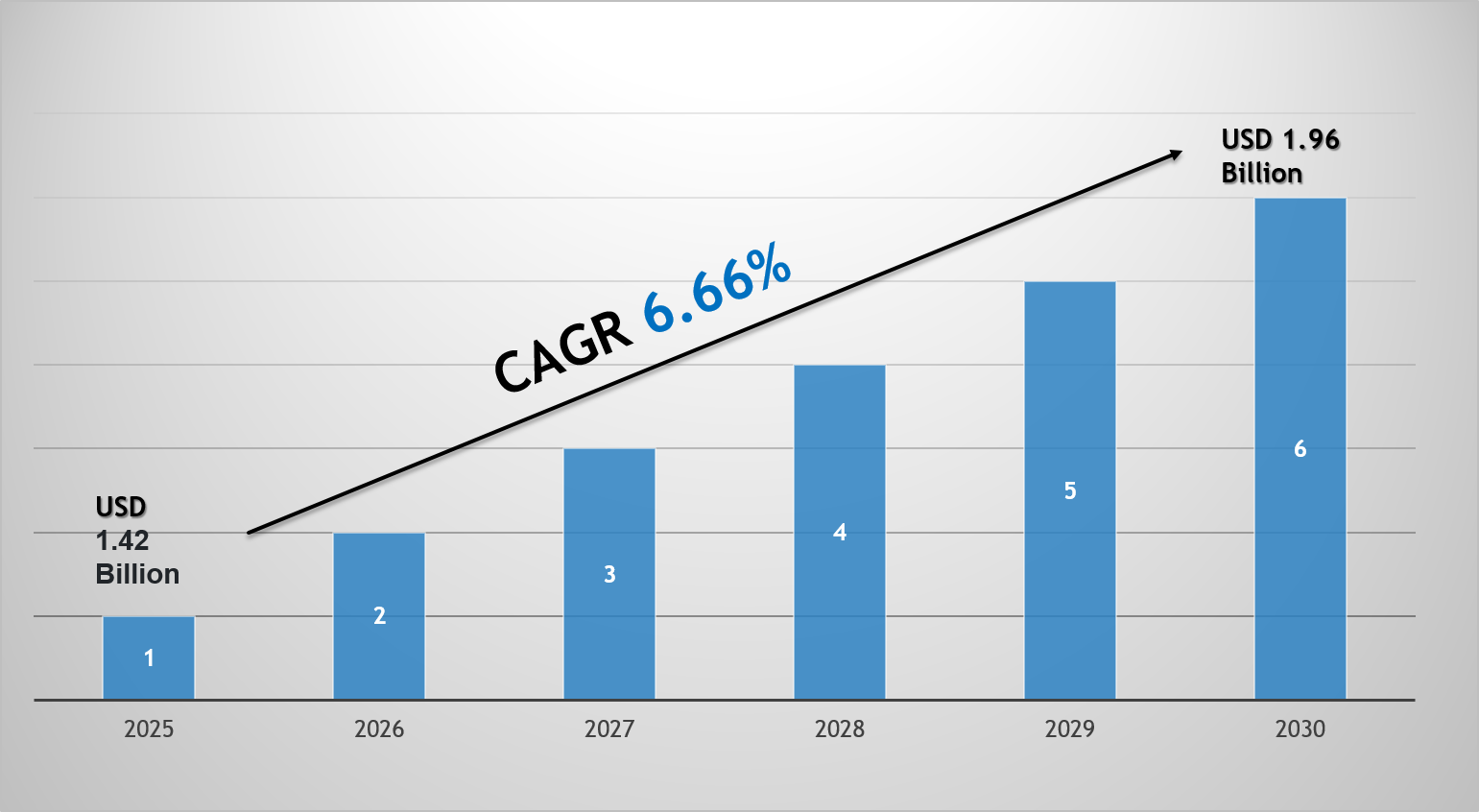
Future Medical Oxygen Concentrator Market: Key Dynamics, Size & Share Analysis The Global Medical Oxygen Concentrator Market size is valued at around USD 1.42 billion in 2025 and is projected to reach USD 1.96 billion by 2030. Along with this, the market is estimated to grow at a CAGR of around 6.66% during the forecast period, i.e., 2025-30. The market growth is primarily driven...
In recent years, non-surgical aesthetic treatments have gained massive popularity, especially among people who want visible body contouring results without surgery or downtime. One such treatment making waves in Saudi Arabia is Fat Melting Injection in Riyadh. In a city like Riyadh, where modern lifestyle and appearance go hand in hand, fat melting injections have become a preferred...