


Elevate Your Tea Ritual: The Timeless Art of Brewing with a Tea Gaiwan
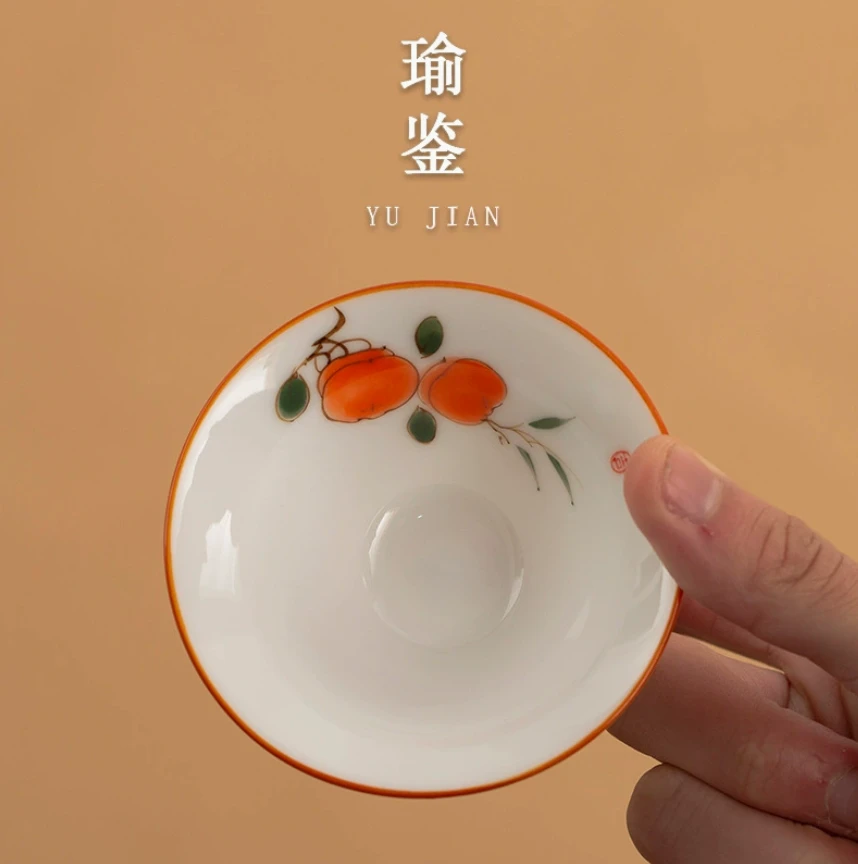
The Essence of the Gaiwan Experience
In the vast and storied world of tea preparation, few vessels command as much respect and fascination as the tea gaiwan. Often referred to as a "lidded bowl," this elegant piece of teaware is far more than a simple container for leaves and water. It is a bridge between the drinker and the leaf, a tool that demands mindfulness, patience, and a genuine appreciation for the subtle shifts in flavor that occur during the brewing process. For those who have only ever used standard teapots or tea bags, the transition to a tea gaiwan marks the beginning of a deeper journey into the sensory landscape of premium loose-leaf tea.
The design of the tea gaiwan is deceptively simple, consisting of three primary components: the lid, the bowl, and the saucer. This "trio" represents the cosmic harmony often cited in traditional philosophy—the lid symbolizing the sky, the bowl the human, and the saucer the earth. Together, they create a versatile brewing station that allows tea enthusiasts to witness the dance of the leaves as they unfurl. Unlike a conventional teapot, where the leaves are often hidden from view, the tea gaiwan keeps the process transparent, literally and figuratively. You can watch the leaves expand, breathe in the rising steam, and control the infusion with surgical precision.
Mastering the Technique: The Ritual of the Pour
Using a tea gaiwan is an art form that transforms a mundane act into a meditative practice. The process begins with the careful warming of the vessel. By pouring hot water into the empty bowl and allowing it to sit for a moment, you ensure that the ceramic or porcelain walls are prepared to receive the delicate leaves. Once discarded, this water serves to wake the teaware, ensuring that no sudden temperature shock dulls the flavor profile of your brew.
When adding the tea, the choice of volume is personal. Many practitioners prefer a ratio that allows the leaves ample room to move. As you pour the hot water over the tea, you are invited to observe the immediate release of aroma. This is where the tea gaiwan truly shines. Because the vessel is open-topped, the fragrance of the tea is not trapped within a confined space; rather, it blooms outward, greeting the senses before you even take your first sip.
The mechanics of pouring from a tea gaiwan are perhaps the most iconic part of the experience. It requires a gentle, deliberate grip. You hold the saucer with your thumb and middle finger, while your index finger lightly presses down on the knob of the lid. By tilting the lid just enough to create a small gap, you create a natural strainer, allowing the tea to flow out while the leaves remain tucked safely within the bowl. It is a movement that feels intimate and controlled—a graceful extension of the hand that connects you directly to the infusion.
Why the Tea Gaiwan Changes Your Relationship with Leaves
When you brew with a tea gaiwan, you are participating in a style often associated with the Gongfu tradition. This method focuses on shorter, more frequent infusions, allowing the drinker to observe how a single batch of leaves evolves over five, six, or even ten steepings. In the first steep, you might detect the delicate floral notes or the crisp, verdant character of a high-quality green tea. By the third or fourth infusion, the tea reveals its "heart," showcasing the deeper, more complex notes of earth, wood, or stone.
A tea gaiwan provides the most accurate feedback for these changes. Because the lid is easily removed, you can inspect the wet leaves between infusions. This is a critical practice for any serious tea drinker. By smelling the underside of the lid and observing the physical state of the leaves, you gain an intuitive understanding of the tea’s quality and current state. Are the leaves opening too quickly? Is the water temperature perhaps a bit too high for this specific harvest? The tea gaiwan acts as a teacher, responding to your every adjustment with a different nuance in the cup.
Cultivating Mindful Presence
In a world that prizes speed and efficiency, the tea gaiwan serves as a necessary anchor. It forces you to slow down. You cannot rush the process without spilling, nor can you ignore the vessel while the leaves are steeping, lest the tea become too strong. This requirement for attention creates a moment of stillness in an otherwise busy day.
Whether you are preparing a complex Oolong, a delicate White tea, or a robust Pu-erh, the tea gaiwan adapts to the needs of the leaf. Its material—usually porcelain, which is prized for its ability to reflect the true color of the liquor—ensures that the tea’s profile is neither muddied nor distorted. It is a clean, honest, and profoundly satisfying way to consume tea. Every sip becomes a reflection of the time and effort invested, creating a rewarding cycle of preparation and enjoyment.
Integrating the Gaiwan into Your Lifestyle
Acquiring a tea gaiwan is an invitation to explore a wider variety of teas. Once you have mastered the basic technique, you will find that your palate becomes more discerning. You will begin to notice the differences between high-mountain Oolong and spring-picked green tea more clearly than ever before. This heightened sensitivity makes the hobby of tea drinking infinitely more rewarding.
Furthermore, a tea gaiwan is a centerpiece of hospitality. When hosting guests, there is a certain magic in preparing tea in this traditional manner. It invites conversation, curiosity, and a shared appreciation for the craft. As you demonstrate the pour and describe the characteristics of the tea, the barrier between host and guest dissolves, replaced by a shared experience centered around the warmth and depth of the brew. It is a timeless tradition that continues to thrive because it provides an unmatched experience of taste, smell, and visual beauty.
Final Thoughts
The journey with a tea gaiwan is one that evolves alongside your own appreciation for the craft of tea. It is not merely about consuming a beverage, but about cultivating a deeper connection to the ritual of the present moment. By choosing to brew with this traditional vessel, you honor the history of the tea trade and the artistry of the leaf itself. Whether you are a long-time enthusiast or someone just beginning to explore the vast world of loose-leaf varieties, the tea gaiwan offers a path to discovery that is as deep and layered as the tea you pour. Embrace the process, cherish the patience it instills, and allow every infusion to tell its unique, unfolding story.
Categorias
Leia mais
A new growth forecast report titled Automation Testing Market Share, Size, Trends, Industry Analysis Report : By Testing Type (Static Testing, Dynamic Testing), By Service, By Verticals, By Organization Size, and By Region – Market Forecast, 2026–2034 introduced by Polaris Market Research represents conclusive data on the overall market. It majorly targets to provide a...

In today’s fast-changing digital world, businesses face increasing competition across every industry. Whether it is a startup, local business, e-commerce store, educational institute, healthcare company, or large enterprise, every brand is competing for customer attention online. Consumers now rely heavily on search engines, social media, websites, and digital reviews before...

According to the latest report published by Data Bridge Market Research, the Indonesia Private Health Insurance Market CAGR Value An excellent Indonesia Private Health Insurance Market research report is a great store to acquire current as well as upcoming technical and financial details and market insights of the Indonesia Private Health Insurance Market industry for...
Introduction Adore is a trusted destination for advanced pigmentation treatment in Mumbai, offering personalized skincare solutions to help individuals achieve a brighter, more even complexion. Skin pigmentation can occur due to sun exposure, hormonal changes, aging, acne scars, and environmental factors. At Adore, our experienced skincare specialists use modern techniques and cutting-edge...
"According to the latest report published by Data Bridge Market Research, the Europe Bioplastic Multi-Layer Films Market Data Bridge Market Research analyses that the Europe bioplastic multi-layer films market for compostable food service packaging is expected to reach the value of USD 68,192.31 Thousand by 2029, at a CAGR of 7.6% during the forecast period. The Europe...