Appliqué Fraying Explained: Common Mistakes and Expert Repair Techniques
Introduction
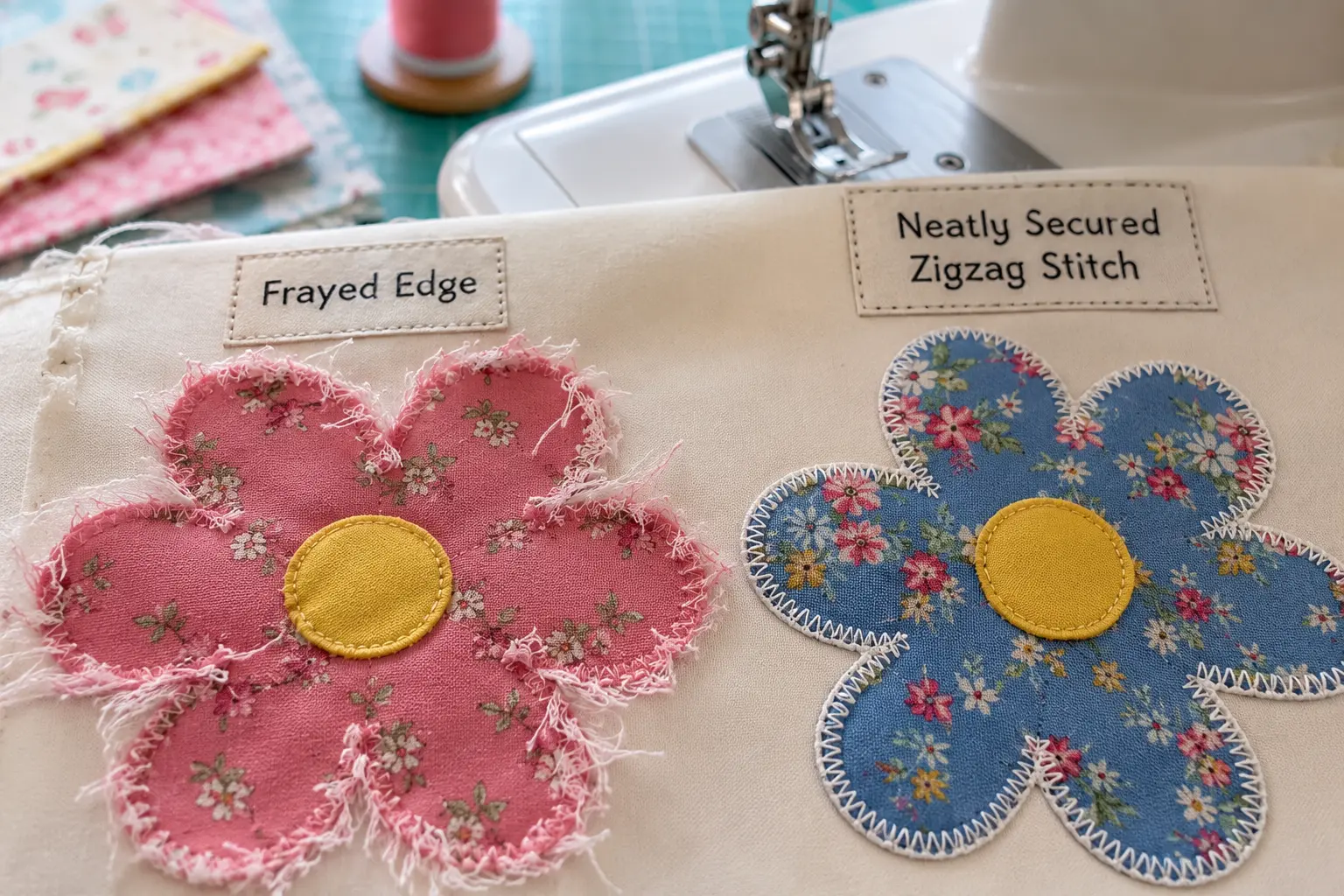
Appliqué fraying is one of the most common challenges faced by sewing enthusiasts, quilters, and fabric artists. Appliqué is a creative technique where fabric pieces are attached to a base fabric to create decorative designs, patterns, and artwork. While this method produces beautiful results, unfinished or weak fabric edges can sometimes begin to fray, affecting the appearance and durability of the project.
Understanding why appliqué fraying happens and learning how to prevent it can help you create cleaner, stronger, and more professional-looking designs. With the right materials, preparation, and stitching techniques, you can protect your appliqué projects and keep them looking attractive for a long time.
Why Does Appliqué Fraying Happen?
There are several reasons why fabric edges may start becoming loose or damaged. Identifying the cause is the first step toward finding the right solution.
1. Choosing the Wrong Fabric
Some fabrics naturally fray more easily than others. Loosely woven fabrics have fibers that separate quickly when cut.
Common fabrics that may experience fraying include:
- Lightweight cotton
- Linen
- Loose woven textiles
- Thin decorative fabrics
Choosing tightly woven fabrics can reduce edge problems and improve durability.
2. Unfinished Fabric Edges
Raw edge appliqué intentionally leaves fabric edges exposed, but these edges may become uneven over time without proper protection.
Regular handling, washing, and movement can cause fibers to loosen.
3. Incorrect Cutting Techniques
Rough or uneven cutting can weaken fabric edges and increase the chances of fraying.
Using dull scissors or cutting without proper support may damage the fabric structure.
4. Lack of Proper Stitching
Stitching plays an important role in securing appliqué designs. Without proper edge stitching, fabric pieces may start separating or fraying after repeated use.
How to Stop Appliqué Fraying and Protect Fabric Designs
Preventing appliqué fraying starts with good preparation and the right sewing methods.
Use Quality Fabric
Selecting the correct fabric is one of the easiest ways to prevent fraying.
Recommended choices include:
- Quilting cotton
- Denim
- Felt
- Canvas
- Medium-weight fabrics
These materials provide better stability and cleaner edges.
Apply Fabric Stabilizers
Fabric stabilizers help strengthen delicate materials and prevent excessive movement.
They are especially useful for:
- Lightweight fabrics
- Clothing projects
- Machine appliqué designs
- Decorative embroidery
A stabilizer supports the fabric and creates a smoother stitching surface.
Secure Edges With Stitching
Adding stitches around appliqué edges provides both protection and decoration.
Popular choices include:
- Blanket stitch
- Satin stitch
- Zigzag stitch
- Decorative embroidery stitches
These stitches hold the fibers together and reduce the risk of fraying.
Easy Fixes for Existing Appliqué Fraying
If your appliqué edges have already started fraying, several repair methods can help restore the design.
Trim Loose Fibers
Carefully remove loose threads using sharp fabric scissors.
Avoid pulling the fibers because this may make the problem worse.
Add Edge Stitching
If the design has enough space, add a decorative stitch around the edges.
This strengthens the appliqué and improves its appearance.
Apply Fabric Sealant
Fabric sealants can help control fraying on certain projects.
Apply a small amount along the edges and allow it to dry completely before handling.
Always test sealants on scrap fabric first.
Replace Damaged Sections
For severe fraying, replacing the damaged fabric piece may be the best option.
Carefully remove the old appliqué and attach a new piece using proper adhesive and stitching techniques.
Common Mistakes That Cause Appliqué Fraying
Many fraying issues occur because of small mistakes during the preparation or sewing process.
Avoid these common problems:
- Cutting fabric with dull scissors
- Skipping fabric preparation
- Using unsuitable fabrics
- Washing projects too harshly
- Not securing edges properly
- Applying too much stress to delicate designs
Taking extra care during each step creates stronger and more attractive results.
Best Stitching Techniques to Prevent Fraying
The right stitch can make a major difference in appliqué durability.
Blanket Stitch
This traditional stitch provides excellent edge protection while adding a handmade appearance.
It works well for:
- Quilts
- Felt projects
- Decorative crafts
Satin Stitch
Satin stitching completely covers the fabric edge and creates a smooth professional finish.
It is often used for:
- Logos
- Letters
- Detailed designs
Zigzag Stitch
A zigzag stitch is a quick and effective method for securing raw edges.
It is commonly used in machine appliqué projects.
Washing and Care Tips for Appliqué Projects
Proper care helps prevent future appliqué fraying.
Follow these recommendations:
- Wash items using gentle cycles.
- Avoid very hot water.
- Use mild detergents.
- Turn clothing inside out before washing.
- Avoid high-temperature drying.
- Iron carefully using a pressing cloth.
Gentle care protects both the fabric and stitching.
Expert Tips for Long-Lasting Appliqué Designs
Experienced crafters follow a few simple habits to improve durability.
Helpful tips include:
- Test fabrics before starting large projects.
- Use sharp cutting tools.
- Press fabric before cutting.
- Secure appliqué pieces before stitching.
- Choose stitches based on fabric type.
- Reinforce areas that receive frequent handling.
These practices help create professional-quality results.
Conclusion
Appliqué fraying is a common problem, but it can be easily managed with the right techniques and materials. Choosing suitable fabrics, preparing edges properly, using stabilizers, and applying strong stitching methods can significantly improve the durability of appliqué designs.
Categorieën
Read More
The Maldives is a small island nation located in the Indian Ocean, southwest of Sri Lanka and India. With nearly 1,200 coral islands spread across 26 atolls, the country’s geography shapes its economy in a unique way. Limited land availability, scarce natural resources, and minimal manufacturing capacity mean the Maldives depends heavily on imports to sustain everyday life, tourism...

In the pharmaceutical industry, businesses rely on robust and consistent packaging that ensures product integrity and supports patient safety under various demanding international quality standards. Businesses sourcing the best ampoule manufacturers in India are seeking more than a supplier; they want a reliable manufacturing partner who combines expertise with advanced capabilities...

Choosing a career in aviation is exciting, but it can also feel confusing at the beginning. Many students ask questions like: Which course should I choose? Is aviation management worth it? Should I do an MBA? How do I become a pilot? If you’re thinking along the same lines, this guide will give you a clear direction. Understanding Aviation Career Options Aviation is not just about...

Sustainable Packaging Market Accelerates as Environmental Regulations and Circular Economy Initiatives Drive Industry Growth The Global Sustainable Packaging Market is experiencing robust growth as businesses, consumers, and governments increasingly prioritize environmentally responsible packaging solutions. Rising concerns regarding plastic waste, carbon emissions, resource depletion, and...

Hospital Near Bandlaguda Nagole Hyderabad – Metro City Hospital When searching for a reliable healthcare provider, choosing the right hospital is essential for maintaining your well-being. If you are looking for a trusted Hospital Near Bandlaguda Nagole Hyderabad, Metro City Hospital is a dependable choice offering quality medical services for individuals and families. Located in a...