


Nonwoven Fabric Machine: A Complete Guide to Efficient Fabric Manufacturing

The global demand for nonwoven materials continues to grow across healthcare, agriculture, hygiene, packaging, furniture, and construction industries. As production requirements increase, investing in a high-quality nonwoven fabric machine has become essential for manufacturers seeking consistent quality, higher output, and lower operating costs.
At YPNonwoven, we understand that selecting the right machine is more than buying equipment—it's a long-term investment in productivity, product quality, and business growth.
What Is a Nonwoven Fabric Machine?
A nonwoven fabric machine is an advanced manufacturing system designed to produce fabric without traditional weaving or knitting. Instead, fibers are bonded using thermal, chemical, or mechanical methods to create durable, lightweight, and versatile materials.
Modern production lines can manufacture different fabric weights, widths, and textures while maintaining excellent production efficiency.
How Does a Nonwoven Fabric Machine Work?
The manufacturing process generally includes the following stages:
|
Production Stage |
Function |
|
Polymer Feeding |
Raw polypropylene (PP) granules are melted. |
|
Fiber Extrusion |
Molten polymer is converted into continuous filaments. |
|
Web Formation |
Fibers are evenly distributed into a fabric web. |
|
Thermal Bonding |
Heated rollers bond fibers together. |
|
Winding & Cutting |
Finished fabric is rolled for packaging or further processing. |
Each stage directly impacts the final fabric's strength, softness, and uniformity.
Why Manufacturers Choose Advanced Nonwoven Fabric Machines
Modern equipment offers significant advantages over older production systems.
Higher Production Efficiency
Automated controls reduce downtime while maintaining continuous production.
Consistent Fabric Quality
Precision engineering ensures uniform GSM, width, thickness, and tensile strength throughout every production batch.
Lower Production Costs
Energy-efficient components help reduce electricity consumption and minimize material waste.
Flexible Production
One production line can manufacture fabrics for multiple industries, improving return on investment.
Practical Example
A hygiene product manufacturer upgraded to a modern YPNonwoven production line to meet increasing customer demand.
After installation, the company achieved:
-
Higher production capacity
-
Better GSM consistency
-
Reduced material waste
-
Lower maintenance costs
-
Faster production changeovers
These operational improvements helped increase profitability while maintaining product quality.
Key Features to Look For
When choosing a nonwoven fabric machine, consider these important features:
-
High-speed production capability
-
Stable temperature control
-
Intelligent PLC automation
-
Energy-saving design
-
Uniform fiber distribution
-
Easy maintenance
-
Reliable technical support
-
Long machine lifespan
Choosing equipment with these features helps ensure reliable performance for years.
Comparison: Standard vs. Advanced Nonwoven Fabric Machine
|
Feature |
Standard Machine |
Advanced YPNonwoven Machine |
|
Automation |
Basic |
Fully Automatic PLC Control |
|
Production Speed |
Moderate |
High-Speed Production |
|
Fabric Consistency |
Average |
Excellent Uniformity |
|
Energy Consumption |
Higher |
Energy Efficient |
|
Maintenance |
Frequent |
Simplified Maintenance |
|
Production Flexibility |
Limited |
Multiple Fabric Applications |
Industries Using Nonwoven Fabric
Nonwoven fabrics are widely used in:
-
Medical gowns and masks
-
Baby diapers
-
Sanitary napkins
-
Shopping bags
-
Agricultural crop covers
-
Furniture upholstery
-
Mattress materials
-
Geotextiles
-
Automotive interiors
-
Industrial filtration
The versatility of nonwoven materials continues to drive investment in advanced production technology.
Actionable Tips Before Buying
Before purchasing a nonwoven fabric machine, evaluate your production goals carefully.
-
Estimate your required daily output.
-
Choose energy-efficient technology.
-
Verify after-sales service availability.
-
Consider future production expansion.
-
Select a trusted manufacturer with proven experience.
-
Compare maintenance requirements and operating costs rather than focusing only on the purchase price.
A well-planned investment reduces long-term operating expenses and improves production efficiency.
Why Choose YPNonwoven?
YPNonwoven specializes in manufacturing reliable, high-performance nonwoven fabric machines designed for modern production environments. Our solutions combine advanced automation, durable engineering, and comprehensive technical support to help manufacturers improve efficiency, product quality, and profitability.
Whether you are establishing a new production facility or upgrading an existing line, YPNonwoven delivers dependable equipment tailored to diverse manufacturing needs.
Frequently Asked Questions
What raw material is commonly used in a nonwoven fabric machine?
Polypropylene (PP) is the most widely used material because it offers excellent strength, durability, and cost efficiency.
What industries benefit from nonwoven fabric production?
Healthcare, hygiene, agriculture, construction, packaging, automotive, furniture, and filtration industries all rely on nonwoven fabrics.
How do I choose the right nonwoven fabric machine?
Consider production capacity, automation level, energy efficiency, maintenance requirements, fabric specifications, and the manufacturer's technical support.
Why is automation important?
Automated systems improve production accuracy, reduce labor costs, minimize waste, and ensure consistent fabric quality throughout the manufacturing process.
Contact - 138-6859-4229
Email ID - info@ypnonwoven.com
Website - https://www.ypnonwoven.com/
Κατηγορίες
Διαβάζω περισσότερα
Picking the right security team can feel tricky. There are many options out there. Some look great at first, but may not deliver when it matters. You want people who show up, stay alert, and keep things safe. That is where San Gabriel Valley security guard services come into play. These services help protect homes, offices, and public places. But choosing the best one takes a little smart...
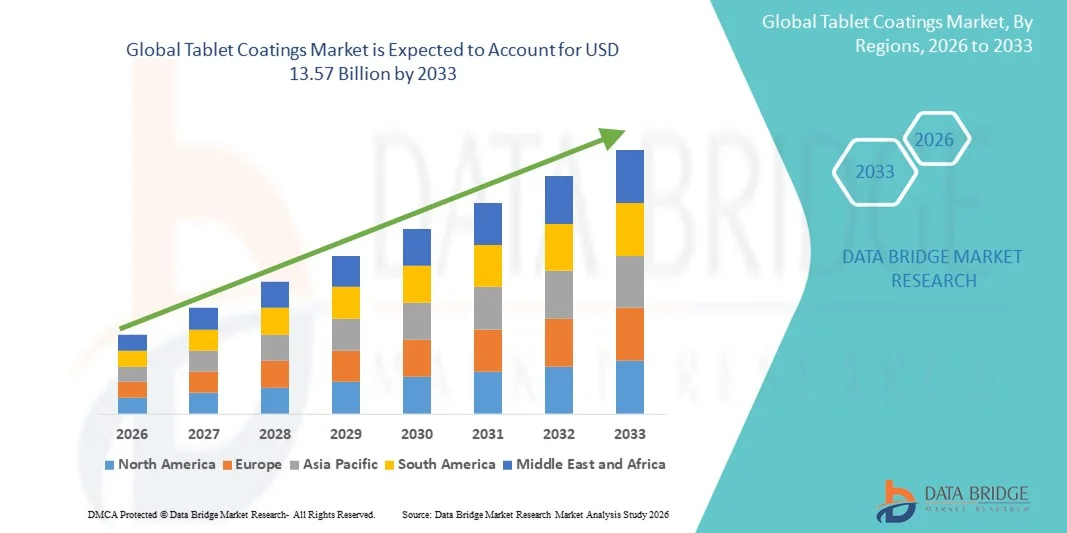
"Detailed Analysis of Executive Summary Tablet Coatings Market Size and Share CAGR Value The global tablet coatings market size was valued at USD 8.78 billion in 2025 and is expected to reach USD 13.57 billion by 2033, at a CAGR of 5.60% during the forecast period With this Tablet Coatings Market report, businesses can get details about market drivers...
"Gaming Consoles Market Summary According to the latest report published by Data Bridge Market Research, the Gaming Consoles Market Global gaming consoles market size was valued at USD 73.33 billion in 2024 and is projected to reach USD 151.56 billion by 2032, with a CAGR of 9.5% during the forecast period of 2025 to 2032. This world-wide Gaming Consoles Market report is generated by...

The global graphene market is entering a period of rapid expansion as research breakthroughs and commercialization efforts unlock the potential of this extraordinary two-dimensional carbon material. Known for its exceptional electrical conductivity, mechanical strength, flexibility, and thermal stability, graphene is transforming high-growth sectors such as electronics,...

How to Keep Your Corteiz Hoodie Clean and Wash It Properly Introduction A Corteiz hoodie is more than just a piece of clothing—it's a statement of modern streetwear style. Known for its oversized fit, premium fabrics, and stylish designs, a Ensemble Corteiz deserves proper care to maintain its appearance and comfort. Whether you wear your hoodie every day or save it for special occasions,...
