


What Is a D1 Minibus Licence and Who Needs One?

If you're planning to drive a minibus in the UK, understanding the D1 Minibus Licence is essential. Whether you're transporting school children, community groups, care home residents, or sports teams, the correct licence ensures you're legally qualified and prepared to drive safely.
This guide explains what a D1 Minibus Licence is, who needs one, and how you can obtain it.
What Is a D1 Minibus Licence?
A D1 Minibus Licence is a UK driving licence category that allows you to drive a minibus with 9 to 16 passenger seats (in addition to the driver's seat). It is designed for drivers who need to operate passenger-carrying vehicles that are larger than a standard car but smaller than a full-size bus.
If you passed your Category B (car) driving test after 1 January 1997, you'll generally need to obtain a D1 entitlement before driving a minibus for hire or reward.
Also Read : Everything You Need to Know About the D1 Minibus Licence
Who Needs a D1 Minibus Licence?
A D1 licence is commonly required for people who drive minibuses professionally or as part of an organisation. This includes:
- School and college minibus drivers
- Community transport drivers
- Charity and volunteer transport providers
- Care home and healthcare transport staff
- Sports club and youth group drivers
- Outdoor activity centre staff
- Private hire minibus drivers
If your role involves transporting passengers in a vehicle with 9–16 seats, you should check whether a D1 licence is required.
Also Read : D1 Minibus Licence Explained: Requirements, Training and Test
What Vehicles Can You Drive?
With a D1 licence, you can legally drive:
- Minibuses with 9–16 passenger seats
- Vehicles up to 8 metres long
- Certain minibuses with a small trailer if you hold the appropriate entitlement (such as D1+E where required)
How Do You Get a D1 Minibus Licence?
The process typically involves several steps:
1. Hold a Full UK Car Licence
You must already have a valid UK Category B driving licence.
2. Apply for Provisional D1 Entitlement
Complete the required DVLA application and obtain provisional D1 entitlement before starting practical training.
3. Complete a Medical Examination
You'll need a D4 medical examination to confirm you meet the medical standards for driving passenger-carrying vehicles.
4. Pass the Theory Test
Candidates must pass the required PCV theory and hazard perception tests before taking the practical driving test.
5. Complete Practical Training
Professional training helps you develop essential skills, including:
- Vehicle safety checks
- Passenger safety procedures
- Safe manoeuvring
- Hazard awareness
- Defensive driving
- Practical test preparation
Many training providers offer courses ranging from 8 to 16 hours, depending on your experience and chosen package.
6. Pass the Practical Driving Test
After completing your training, you'll take the DVSA practical tests to demonstrate that you can safely operate a minibus.
Benefits of Having a D1 Minibus Licence
Obtaining a D1 licence offers several advantages:
- More career opportunities
- Ability to drive 9–16 passenger minibuses legally
- Improved driving skills and confidence
- Better passenger safety knowledge
- Qualification for school, healthcare, charity, and community transport roles
- Increased employability in the transport industry
Why Professional Training Matters
Professional D1 training prepares you for both the theory and practical tests while teaching safe driving techniques specific to passenger vehicles. Experienced instructors help you understand:
- Passenger comfort and safety
- Vehicle control
- Emergency procedures
- Road awareness
- DVSA test requirements
Proper training increases your confidence and improves your chances of passing the test on the first attempt.
Why Choose GS Driver Training?
GS Driver Training offers comprehensive D1 Minibus training with:
- DVSA-approved instructors
- Modern training vehicles
- Flexible course schedules
- Practical test preparation
- Medical and theory support options
- High first-time pass rates
The courses are designed to help learners gain the knowledge and practical skills required to become safe and confident minibus drivers.
Conclusion
A D1 Minibus Licence is essential for anyone who wants to drive a minibus carrying 9 to 16 passengers, particularly for professional, community, or voluntary transport roles. By completing the required medical checks, theory tests, practical training, and driving assessment, you can obtain the qualification needed to drive legally and safely.
Whether you're planning a career in passenger transport or need a licence for your organisation, investing in professional D1 training is the first step toward becoming a skilled and responsible minibus driver.
Categorieën
Read More
Préparer ses bagages est souvent source de stress. Qui n'a jamais lutté pour refermer sa fermeture éclair ou désespérément cherché un t-shirt tout au fond du sac, provoquant une véritable "avalanche" de vêtements froissés ? Heureusement, voyager de manière fluide et ordonnée est à la portée de tous....

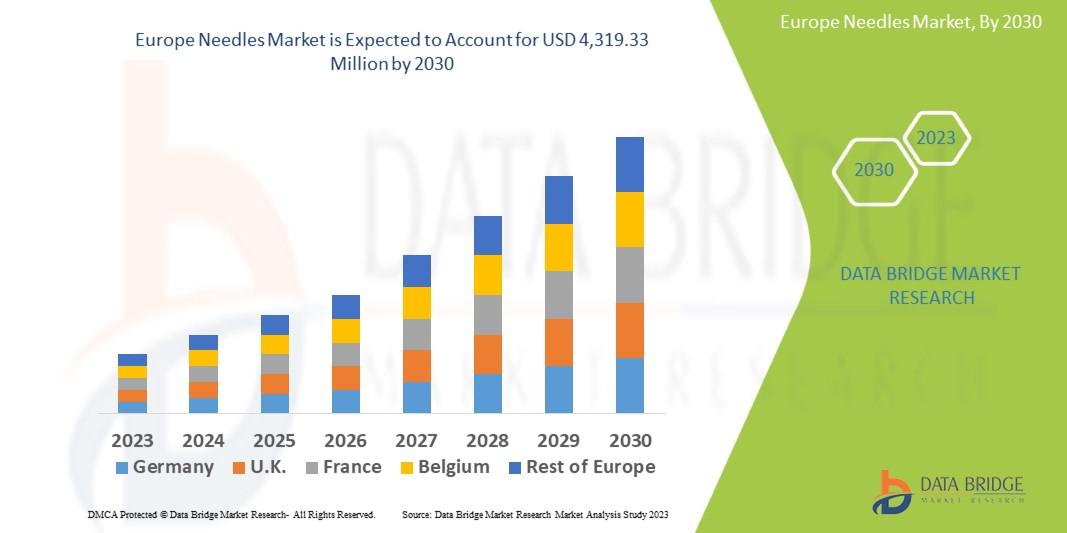
"Executive Summary Europe Needles Market Size and Share: Global Industry Snapshot Data Bridge Market Research analyses a growth rate in the needles market in the forecast period 2023-2030. The expected CAGR of the needles market tends to be around 7.50% in the mentioned forecast period. For the growth of any business, Europe Needles Marketresearch report plays a very important...
According to the latest report published by Data Bridge Market Research, the Natural Food Colors and Flavors Market CAGR Value Data Bridge Market Research analyses that the natural food colors and flavors market was valued at USD 1.54 billion in 2021 and is expected to reach the value of USD 2.53 billion by 2029, at a CAGR of 6.40% during the forecast period of...
Top Features That Make Mahadev Books a Preferred Gaming Platform in India Introduction The online gaming industry in India has experienced remarkable growth over the last few years. With faster internet, widespread smartphone usage, and increasing interest in digital entertainment, players now look for platforms that combine convenience, variety, and a smooth gaming experience. Among the names...
A new growth forecast report titled 3D Secure Payment Authentication Market Share, Size, Trends, Industry Analysis Report, By Component (Access Control Server, Merchant Plug-in, and Others); By Application; By Region; Segment Forecast, 2023 - 2032 introduced by Polaris Market Research represents conclusive data on the overall market. It majorly targets to provide a detailed analysis...