


New Softscaping Standards: Integrating Hydrozoning Technologies into Master-Planned Layouts
The landscape architecture industry is experiencing a significant shift as developers and urban planners prioritise environmental sustainability alongside visual appeal. In large-scale developments, traditional practices often lead to excessive water waste and high maintenance costs. To address these inefficiencies, modern design frameworks are establishing new softscaping standards that prioritise ecological balance and resource conservation. At the forefront of this movement is the integration of advanced hydrozoning technologies into master-planned communities. By utilising data-driven design and smart resource allocation, developers can create lush, vibrant environments that thrive while using significantly less water.
The Evolution of Softscaping in Master-Planned Communities
For decades, the living, organic components of a landscape collectively known as Modern Softscaping were arranged primarily for aesthetic balance, privacy, and architectural framing. Lawns, shrubbery, and ornamental trees were distributed based on visual symmetry rather than biological compatibility. This approach frequently paired high-water turfgrasses with drought-tolerant shrubs on the same irrigation line, resulting in a systemic cycle of overwatering and underwatering.
In modern master-planned layouts, this haphazard method is no longer viable. Today, softscaping must be engineered with the same precision as the surrounding hardscape and utility infrastructure. Modern master plans require living systems that naturally mitigate urban heat island effects, manage stormwater runoff, and minimise long-term operational expenditures. Achieving these benchmarks demands a fundamental shift toward hydrozoning—the practice of grouping plants with identical water, soil, and sunlight requirements into distinct irrigation sectors.
Understanding Hydrozoning Technologies
Hydrozoning is no longer just a manual plant-grouping technique; it has evolved into a highly technical discipline supported by specialised software and hardware. The process begins during the early site-analysis phase, where landscape architects utilise Geographic Information Systems (GIS) and microclimate mapping to analyse variables such as solar radiation, wind exposure, soil composition, and topography.
-
Once this data is collected, the master-planned layout is segmented into distinct hydrozones, typically categorised into four primary tiers:
-
High-Irrigation Zones: Areas requiring frequent watering, such as community recreational lawns, functional turf parks, and high-traffic entry monument displays.
-
Moderate-Irrigation Zones: Spaces featuring established ornamental shrubs, perennial flower beds, and transitional walkways that need occasional moisture.
-
Low-Irrigation Zones: Buffer zones, outer perimeters, and structural embankments populated by deeply rooted native plants that rely almost entirely on natural rainfall.
-
Zero-Irrigation Zones: Naturally preserved greenways, hardscaped plazas with containerised micro-drip systems, and fully adapted wilderness corridors.
The true technological breakthrough lies in how these zones are managed. Instead of using static, mechanical timers, modern systems employ smart controllers connected to cloud-based weather networks and on-site soil moisture sensors. These controllers automatically adjust irrigation schedules in real time based on evapotranspiration (ET) rates, local weather forecasts, and actual subsurface moisture levels, ensuring that no water is wasted.
Overcoming Commercial Challenges with Smart Design
Implementing these advanced methodologies allows developers to solve several critical structural and economic problems. In traditional large-scale projects, high water use drives up utility costs and places immense strain on municipal infrastructure. By embedding hydrozoning technologies into the initial design phase, master-planned developments can achieve massive outdoor water savings and drastically cut municipal supply reliance.
Furthermore, improper water distribution is a primary cause of premature plant death, root rot, and localised soil erosion. Integrating specialised organic elements ensures that deep-rooted native species are placed on slopes to stabilise the earth, while moisture-loving varieties are positioned in natural drainage swales to filter stormwater runoff. This targeted configuration reduces structural erosion, minimises pesticide and fertiliser runoff, and decreases long-term replacement costs by keeping vegetation in optimal health.
Designing the Modern Green Infrastructure
To build a truly resilient landscape, designers must ensure that the selection of horticultural features aligns perfectly with the underlying mechanical systems. For example, low-volume drip irrigation and subsurface emitters are mapped exclusively to shrub beds and tree wells to deliver water directly to the root zones, eliminating evaporation loss. Meanwhile, high-efficiency rotary nozzles with matched precipitation rates are reserved strictly for open turf areas.
This strategic integration ensures that the living components of the property remain sustainable throughout their lifecycle by choosing regional, climate-adapted flora and grouping them meticulously by moisture requirements. Master-planned communities create self-sustaining green infrastructure. This intentional balance between technology and nature creates community spaces that are both visually impressive and environmentally sound.
Conclusion
The integration of hydrozoning technologies represents a permanent evolution in how large-scale community spaces are conceived and maintained. As water scarcity continues to influence local zoning laws and building codes, the adoption of data-driven softscaping is no longer optional; it is a baseline requirement for sustainable development. By treating plant selection and irrigation infrastructure as a unified system, master planners can successfully deliver highly efficient, climate-resilient landscapes. Embracing these new standards protects our natural resources, lowers long-term operational costs, and ensures that the communities of tomorrow remain green, healthy, and vibrant for generations to come.
Kategoriler
Read More
Bookmarks are small. But they do a big job. Every time someone opens a book, they see your brand. That is why bookmark printing is one of the smartest ways to promote your business in the UK. At Sky Print and Enterprise, we print bookmarks that look great and last long. Whether you need 150 or 25,000 bookmarks, we have got you covered. You choose the size, material, and finish. We handle the...

Germany Combined Heat and Power Market Outlook Germany’s CHP market is poised for steady growth in the coming decade. According to industry projections, the Germany Combined Heat and Power market is expected to expand at a compound annual growth rate (CAGR) of 4.50% between 2026 and 2035, driven by rising demand for efficient energy systems that reduce waste and lower emissions. This...
Ready for the new football season? A major discount on EA Sports FC 26 pre-orders is already live. Currys is offering the best price ahead of the September 26 launch. Use the code 'EAFC2610' at checkout for an extra 10% off. The PlayStation 5 and Xbox Standard Edition drops to just £56.69. Nintendo players also benefit, with the Switch version at £44.99. The upcoming Switch 2...

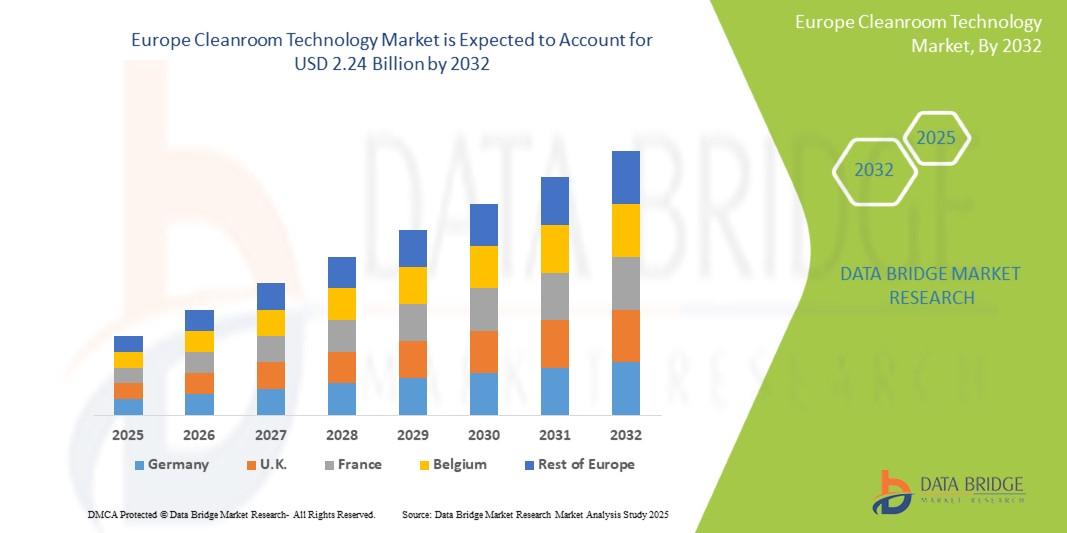
Europe Cleanroom Technology Market: Analysis, Trends & Future Outlook The Europe cleanroom technology market was valued at USD 1.30 billion in 2024 and is expected to reach USD 2.24 billion by 2032 During the forecast period of 2025 to 2032 the market is likely to grow at a CAGR of 7.1%, primarily driven by the rising demand for sterilized pharmaceutical...
Clair Obscur: Expedition 33 initially seemed destined to fly under the radar. Despite featuring a notable cast including Charlie Cox, Ben Starr, and Jennifer English, it faced stiff competition from the surprise release of Oblivion Remastered. Moreover, it was the first RPG from a relatively unknown studio, making its blockbuster potential uncertain. Although failure was unlikely, expectations...