Exosome Therapy: The Regenerative Signal Your Skin Has Been Waiting For

The skincare world moves in cycles. A new ingredient arrives, enjoys a season of breathless enthusiasm, and eventually settles into its rightful place—or fades quietly away. Every so often, however, something emerges that doesn’t just add to the conversation but shifts it. Exosome therapy feels like one of those shifts. It doesn’t exfoliate, resurface, or temporarily plump. Instead, it delivers a set of cellular instructions that tell your skin how to repair itself more effectively. At Enfield Royal Medspa, this breakthrough from regenerative medicine is being used to amplify skin rejuvenation in a way that feels both deeply scientific and remarkably gentle.
If you’ve followed advances in aesthetics, you’ve likely encountered platelet-rich plasma (PRP) facials, microneedling, and growth factor serums. Exosome therapy sits at the intersection of all three, but it offers something distinct: a standardized, potent blend of messenger signals harvested from mesenchymal stem cells. These signals don’t just encourage healing—they orchestrate it. And when they’re delivered into the skin at the right moment, through the right channels, the results can quietly outpace treatments that once seemed cutting-edge just a few years ago.
What Are Exosomes, Exactly?
Exosomes are tiny extracellular vesicles—think of them as microscopic delivery packages—released by nearly every cell in the body. They carry a cargo of proteins, lipids, messenger RNA, and growth factors that allow one cell to communicate with another. In aesthetic medicine, the exosomes used most often are derived from mesenchymal stem cells, which are cultured in a laboratory under rigorous conditions. The stem cells themselves are not injected; only the exosomes they secrete are collected, purified, and suspended into a sterile solution.
This matters because exosomes are not living cells, so there is no risk of rejection or unwanted differentiation. They are simply the informational blueprint that regenerative cells would normally release to orchestrate tissue repair. When applied to the skin, that blueprint gets delivered directly to your own fibroblasts and keratinocytes—the cells that build collagen, elastin, and healthy new skin. In essence, exosome therapy speaks your skin’s native language, giving it a clearer, louder, and more organized set of instructions to heal and renew.
How Exosome Therapy Works in the Skin
The skin already knows how to heal a wound. It coordinates inflammation, cell migration, matrix production, and remodeling in a precise sequence. What aging, sun damage, and environmental stress do is degrade the quality of that sequence—the signals become weaker, slower, or disorganized. Exosomes arrive like a skilled project manager stepping onto a chaotic job site. They don’t do the building themselves; they tell the workers where to go and what to do.
In practice, exosomes are typically delivered into the skin through micro-channels created by microneedling or fractional laser. These tiny openings serve as direct pathways to the dermis, bypassing the skin’s protective barrier that would otherwise block such large molecules. Once inside, the exosomes fuse with resident cells and release their payload. Almost immediately, a cascade of repair begins: fibroblasts ramp up collagen induction, new blood vessels form to improve microcirculation, and the extracellular matrix remodels with the kind of efficiency typically seen in much younger tissue.
This pairing of physical stimulation (microneedling) with biochemical signaling (exosomes) is where the treatment shines. Microneedling alone creates the controlled micro-injury that prompts healing; adding exosomes enriches that healing with a concentrated set of regenerative cues. It’s a collaboration between structure and signal, and patients often notice that recovery feels faster and results appear more luminous compared with microneedling alone.
Key Benefits: What Patients Notice
Because exosomes influence multiple repair pathways at once, the improvements tend to show up across several dimensions of skin health simultaneously, rather than targeting just one concern.
- Accelerated skin rejuvenation: The skin’s overall quality improves—tone, clarity, and elasticity—often more noticeably and in fewer sessions than with microneedling alone.
- Refined skin texture: Roughness, unevenness, and shallow atrophic scars soften as collagen and elastin production is boosted in a coordinated fashion.
- Diminished fine lines and wrinkles: A thicker, better-organized dermis leads to a visible softening of crow’s feet, perioral lines, and forehead creases over time.
- Reduction in hyperpigmentation: By normalizing cellular turnover and reducing chronic low-grade inflammation, exosomes can help fade sun spots and post-inflammatory marks.
- Calmer, more resilient skin: Exosomes have a potent anti-inflammatory effect, making them an intriguing option for patients with sensitive or redness-prone skin who might not tolerate aggressive resurfacing.
- Faster post-procedure recovery: When applied immediately after microneedling, the exosomes soothe the treated skin, shorten the window of redness, and let patients return to their normal routines more comfortably.
- Radiance that builds over weeks: The glow is not just superficial hydration; it’s light reflecting off smoother, denser, healthier tissue.
This isn’t a treatment that trades discomfort for drama. The changes unfold gradually, and they look like your own skin—only rested, even, and quietly lit from within.
The Treatment Experience
An exosome session usually begins the same way a microneedling appointment would. Your skin is cleansed, a topical numbing cream is applied, and you rest comfortably while it takes effect. The provider then performs microneedling across the treatment area, creating those controlled micro-channels. Immediately afterward, while the channels are still open, the exosome solution—typically a chilled, clear liquid—is massaged generously into the skin. Some formulations are also applied as a fine mist to ensure even coverage.
The sensation is mild. The microneedling portion produces a light prickling or vibrating sensation that most patients tolerate easily after numbing. The application of the exosome serum is cool and soothing, often described as a welcome relief after the needling. The entire process, including numbing time, usually takes 60 to 90 minutes depending on the area.
Immediately after, the skin looks and feels like a moderate sunburn—pink, warm, and slightly tight. Tiny pinpoint bleeding, a normal consequence of microneedling, resolves within minutes. Because exosomes accelerate the early repair phase, many patients find that redness fades significantly by the next morning, and by day two or three, they are left with only a soft, dewy pinkness that is easily concealed. Makeup can typically be reintroduced after 24 to 48 hours. The peeling or flaking sometimes seen after aggressive standalone microneedling is often markedly reduced.
Who Is an Ideal Candidate, and When Should Exosome Therapy Be Avoided?
One of the most appealing aspects of exosome therapy is its broad applicability. Because it works by signaling the body’s own cells, it is essentially skin-type and skin-tone agnostic. Patients seeking overall skin rejuvenation, improvement of fine lines, acne scar softening, or gentle management of hyperpigmentation are often suitable candidates. Those who have found other treatments too harsh or inflammatory—particularly individuals with sensitive skin, rosacea, or a tendency toward post-procedure hyperpigmentation—may find exosome therapy especially well-tolerated.
That said, exosome therapy is not for everyone at every moment. Active skin infections, open wounds, or an active cold sore outbreak require postponement. Those who are pregnant or breastfeeding are generally advised to wait, not because of a known harm but due to a lack of safety data in this population. A history of autoimmune conditions warrants a thorough consultation. And as always, anyone with a known allergy to any component of the exosome formulation should avoid it.
It is also worth noting that because exosome therapy is relatively new to the aesthetic space, outcomes can vary based on the quality and sourcing of the exosome product. Reputable medspas use products that have been manufactured under strict laboratory standards, with third-party testing for purity and potency. A conversation about sourcing is always a fair one to have with your provider.
Post-Treatment Care: Protecting Your Investment
The window immediately after an exosome session is precious. The micro-channels remain receptive for a few hours, and the skin’s barrier is temporarily more permeable. Keeping the skin calm, hydrated, and shielded from irritants allows the exosome signals to work uninterrupted.
A simple, gentle post-treatment skincare routine should include:
- Cleansing with a mild, pH-balanced, non-foaming cleanser and cool water only.
- Applying any soothing balm or hyaluronic acid serum recommended by your provider—avoid overloading with your own products.
- Avoiding all active ingredients—retinoids, acids, vitamin C, and exfoliants—for at least five to seven days.
- Refraining from makeup for at least 24 hours, or longer if the skin feels particularly sensitive.
- Using a mineral-based, broad-spectrum SPF 30 or higher every single day and reapplying faithfully, even if you’re indoors near windows.
- Skipping saunas, steam rooms, hot yoga, and strenuous exercise for the first 48 hours to minimize swelling and redness.
- Resisting the urge to touch, pick, or peel any dry areas. Let the skin shed naturally.
Your provider will customize these instructions based on how your skin responds, but the overarching principle is restraint. With exosomes doing the heavy lifting, the less you interfere, the better.
Frequency and Realistic Expectations
Exosome therapy is not an instant transformation, nor is it meant to be. The cellular remodeling it initiates continues for weeks after the session. Some patients notice a fresh, dewy quality within a week. Real, structural changes—smoother texture, softer lines, fading pigmentation—build over six to twelve weeks and continue to accumulate with subsequent treatments.
A typical initial series includes two to four sessions, spaced four to six weeks apart. This rhythm allows each wave of collagen induction and repair to fully develop before the next session builds on it. After this foundational series, many patients choose to return once or twice a year for maintenance, often aligned with seasonal transitions or before significant events.
It’s important to keep expectations grounded. Exosome therapy will not replace lost volume, lift sagging tissue, or stop the biological clock. What it offers is a genuine, biologically intelligent reset—a way to coax your skin into a more youthful pattern of repair without forcing it. When combined with consistent sun protection, a supportive skincare routine, and healthy lifestyle habits, the results can be both meaningful and lasting.
A New Kind of Skin Intelligence
There’s a quiet elegance to the way exosome therapy works. It doesn’t burn, freeze, or fill. It communicates. It hands your cells a detailed, well-written set of instructions and trusts them to do the rest. That level of biological respect is rare in aesthetics, and it may well represent the direction in which the entire field is moving.
If you’re curious about how this regenerative approach could fit into your own skin health journey—whether as a standalone treatment or paired with microneedling for amplified results—the team at Enfield Royal Medspa in Melbourne, FL, is available to guide you through the science, the sourcing, and the realistic outcomes with clarity and care.
Categories
Read More
Why InGaAs Area Arrays Are Becoming the Silent Infrastructure Behind the World's Next Generation of Vision Systems The biggest technology revolutions are rarely driven by what people can see. They are driven by what machines can see. As industries move beyond visible-light sensing, InGaAs Area Arrays are quietly becoming the imaging backbone for applications where conventional silicon...

Microsoft's recent security advisory addresses a newly disclosed vulnerability in the SMB 2.0 driver, which can cause an immediate system crash. ' This issue primarily impacts Windows Vista and Windows Server 2008, in both 32-bit and 64-bit iterations, regardless of service pack status. ' However, Windows 7 and Windows Server 2008 R2 are confirmed to be unaffected, as their updated kernels...

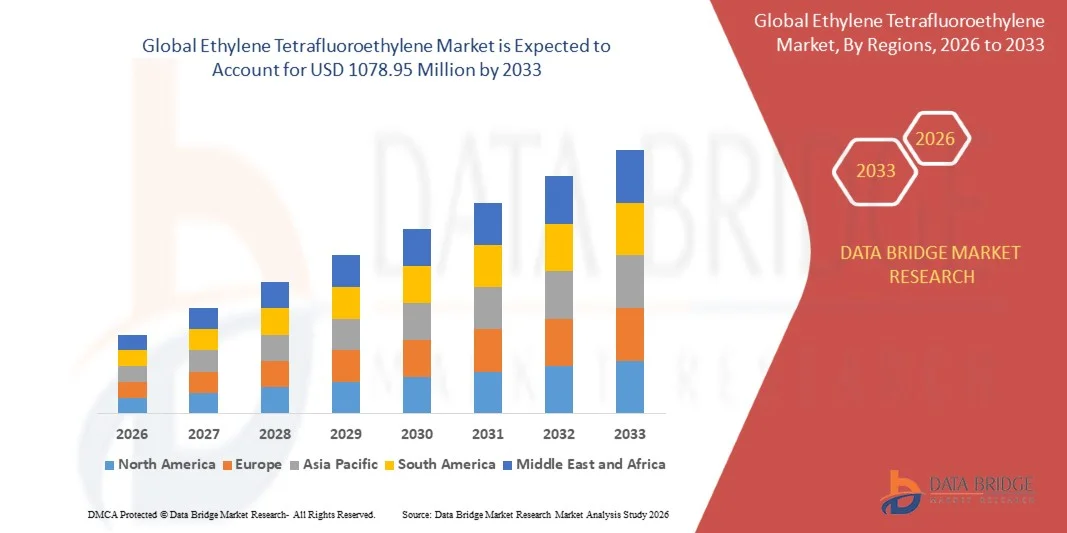
"Ethylene Tetrafluoroethylene Market Summary According to the latest report published by Data Bridge Market Research, the Ethylene Tetrafluoroethylene Market The global ethylene tetrafluoroethylene market size was valued at USD 545.48 million in 2025 and is expected to reach USD 1078.95 million by 2033, at a CAGR of 8.90% during the forecast period This...
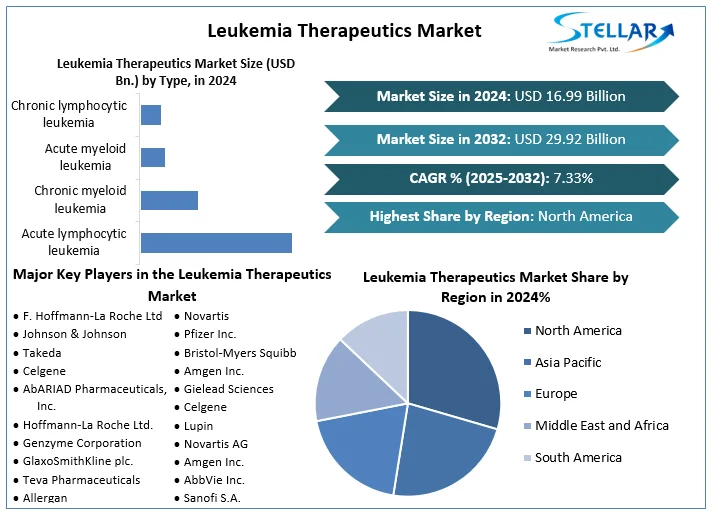
Leukemia Therapeutics Market Projected to Reach USD 29.92 Billion by 2032 Amid Rising Adoption of Targeted Cancer Treatments Market Estimation & Definition The global Leukemia Therapeutics Market is poised for substantial growth, driven by the increasing prevalence of blood cancers and continuous advancements in oncology treatment approaches. According to the latest analysis by Stellar...
Planning a India Golden Triangle tour can transform your first trip to India into an unforgettable adventure through Delhi, Agra, and Jaipur. With options like Golden Triangle tour 4 days or Golden Triangle tour 5 days, selecting the right package ensures you capture the essence of Mughal grandeur and Rajasthani vibrancy. Why the India Golden Triangle Tour Captivates Travelers The...