Sivi's Large Design Model (LDM) at AI Impact Summit 2026: Moving Beyond AI Image Generation

Artificial intelligence has reached a point where generating content is no longer the biggest challenge. Language models can write articles, coding assistants can generate software, and image generators can create impressive visuals from a few words. As these technologies mature, businesses are looking for something more practical. They need AI that fits into everyday workflows, supports collaboration, and produces results that can be refined instead of recreated.
This changing expectation is driving the growth of domain-specific AI, and graphic design is becoming one of its most exciting frontiers. At the India AI Impact Summit 2026, Sivi's Large Design Model (LDM) attracted attention for addressing this exact need. Rather than focusing on one-time image generation, the platform demonstrated how AI can create fully editable marketing designs that remain useful throughout the entire creative process.
The recognition reflects an important shift in the market. Organizations are no longer evaluating AI based only on how quickly it can generate content. They are measuring its ability to improve productivity, maintain brand consistency, and simplify complex creative operations.
AI Impact Summit 2026 Showcased Practical Innovation
The AI Impact Summit 2026 served as a meeting point for startups, enterprise leaders, researchers, investors, and policymakers exploring how artificial intelligence is transforming industries. From healthcare and finance to education and manufacturing, the event highlighted technologies capable of solving real business challenges rather than simply demonstrating technical capability.
Within the startup showcase, Sivi introduced a different vision for creative AI. While many generative AI products focus on producing images, videos, or text, the Large Design Model addressed a long-standing challenge faced by marketing teams: creating professional graphic designs that remain editable after they are generated.
This distinction positioned the platform as part of a growing movement toward specialized AI systems designed for professional use cases.
Why Businesses Need More Than AI Images
Image generation has become remarkably sophisticated. Modern AI models can create realistic photography, illustrations, concept art, and digital artwork with impressive speed.
However, marketing teams rarely need static images.
Every campaign continues to evolve after launch. Headlines are rewritten, promotional offers are updated, products change, seasonal campaigns replace previous messaging, and assets must be resized for dozens of digital platforms.
When every visual element is flattened into a single image, even a simple revision becomes time-consuming.
Businesses need AI that produces designs capable of evolving alongside their campaigns.
That is exactly where the Large Design Model (LDM) provides a different approach.
A Design-First AI Architecture
Instead of predicting pixels, the Large Design Model understands how professional graphic designs are constructed.
Each generated creative is assembled from independent visual elements, including:
- Headlines
- Supporting text
- Product images
- Logos
- Icons
- Background graphics
- Vector elements
- Call-to-action buttons
- Decorative shapes
Because these elements remain separate, users can update any part of the design without affecting the entire composition.
The result is a layered creative asset that functions much like a file created in professional design software, making it significantly more practical for production environments.
Helping Marketing Teams Scale Content
Modern marketing requires an enormous volume of visual content. A single campaign may include advertisements, landing page banners, social media posts, display ads, email graphics, ecommerce promotions, and regional language variations.
Producing every version manually increases costs and slows campaign execution.
The Large Design Model helps reduce repetitive production work by generating editable layouts that can quickly be adapted for different channels, formats, and audiences.
Instead of recreating graphics for every campaign variation, marketing teams can focus on testing messaging, improving creative performance, and delivering personalized experiences.
Maintaining Brand Consistency at Scale
Brand identity depends on consistency.
Typography, colors, logos, spacing, and layout all contribute to how customers recognize a business across different platforms.
Generic image generation models often produce inconsistent branding because they prioritize visual appearance over structured design.
The Large Design Model incorporates brand-aware design principles, helping organizations generate creatives that remain aligned with existing brand systems while still allowing marketers to make updates whenever needed.
This combination of automation and consistency is particularly valuable for growing enterprises managing large volumes of content.
Built for Developers as Well as Designers
One of the platform's strengths is its ability to integrate directly into software products.
Through APIs and embeddable SDKs, developers can incorporate AI-powered design generation into existing workflows without requiring users to switch applications.
Potential use cases include:
- Ecommerce stores automatically creating promotional banners.
- Marketing platforms generating campaign creatives.
- CRM systems producing personalized graphics.
- Content management systems designing visuals for newly published content.
- Enterprise software automating repetitive creative production.
This infrastructure approach extends AI design beyond standalone creative tools and into everyday business operations.
Recognition Reflects a Larger Industry Trend
The success of the Large Design Model at AI Impact Summit 2026 highlights a broader transformation taking place across artificial intelligence.
Rather than relying exclusively on general-purpose AI, organizations are increasingly adopting specialized foundation models tailored to individual domains.
Language models have transformed communication.
Coding models have accelerated software development.
Video models are reshaping content production.
Now, Large Design Models are emerging as the specialized AI category for professional graphic design.
This evolution enables AI systems to solve workflow-specific challenges with greater accuracy and efficiency.
Looking Toward the Future
The future of AI-powered design extends well beyond generating attractive graphics.
Businesses will increasingly require AI systems capable of understanding campaign objectives, brand guidelines, localization requirements, accessibility standards, responsive layouts, and marketing performance.
Editable, structured designs will become essential as organizations continue creating personalized content across websites, ecommerce platforms, mobile applications, advertising networks, and social media.
By combining intelligent layout generation with editable design layers, the Large Design Model offers a foundation for this next generation of creative automation.
Conclusion
Recognition at the AI Impact Summit 2026 marked an important milestone for Sivi's Large Design Model (LDM) and for the broader evolution of AI-powered design. It demonstrated that the future of generative AI is not limited to producing compelling visuals but includes creating structured, editable designs that support real business workflows.
By enabling marketers, designers, and developers to generate brand-aware, layered creative assets, the Large Design Model simplifies content production while preserving flexibility and creative control. As enterprises continue investing in scalable marketing operations, specialized AI systems like LDM are positioned to become an essential part of the modern creative technology ecosystem, helping organizations move from static image generation to intelligent, production-ready design.
Nach Verein filtern
Read More
Jalwa Tashan Win – Complete Guide to Features, Login & Gameplay What is Jalwa Tashan Win? Jalwa Tashan Win is an online gaming platform designed for users who enjoy digital entertainment through a variety of interactive games. The platform offers a simple interface, allowing players to register, log in, and explore different gaming categories with ease. Whether you're a first-time...

A child's earliest years shape the foundation for future learning, communication, and personal development, making qualified educators an essential part of every community. Many professionals choose this field because it offers meaningful opportunities to support children's growth while building a stable and rewarding career. This article explores the value of an early childhood course,...

The automotive industry is undergoing a monumental shift driven by technological innovations, stringent safety regulations, and an increasing consumer preference for intelligent vehicle systems. At the forefront of active vehicle safety is the Traction Control System (TCS). Designed to prevent wheel slip and maintain optimal traction between the vehicle's tires and the road surface...

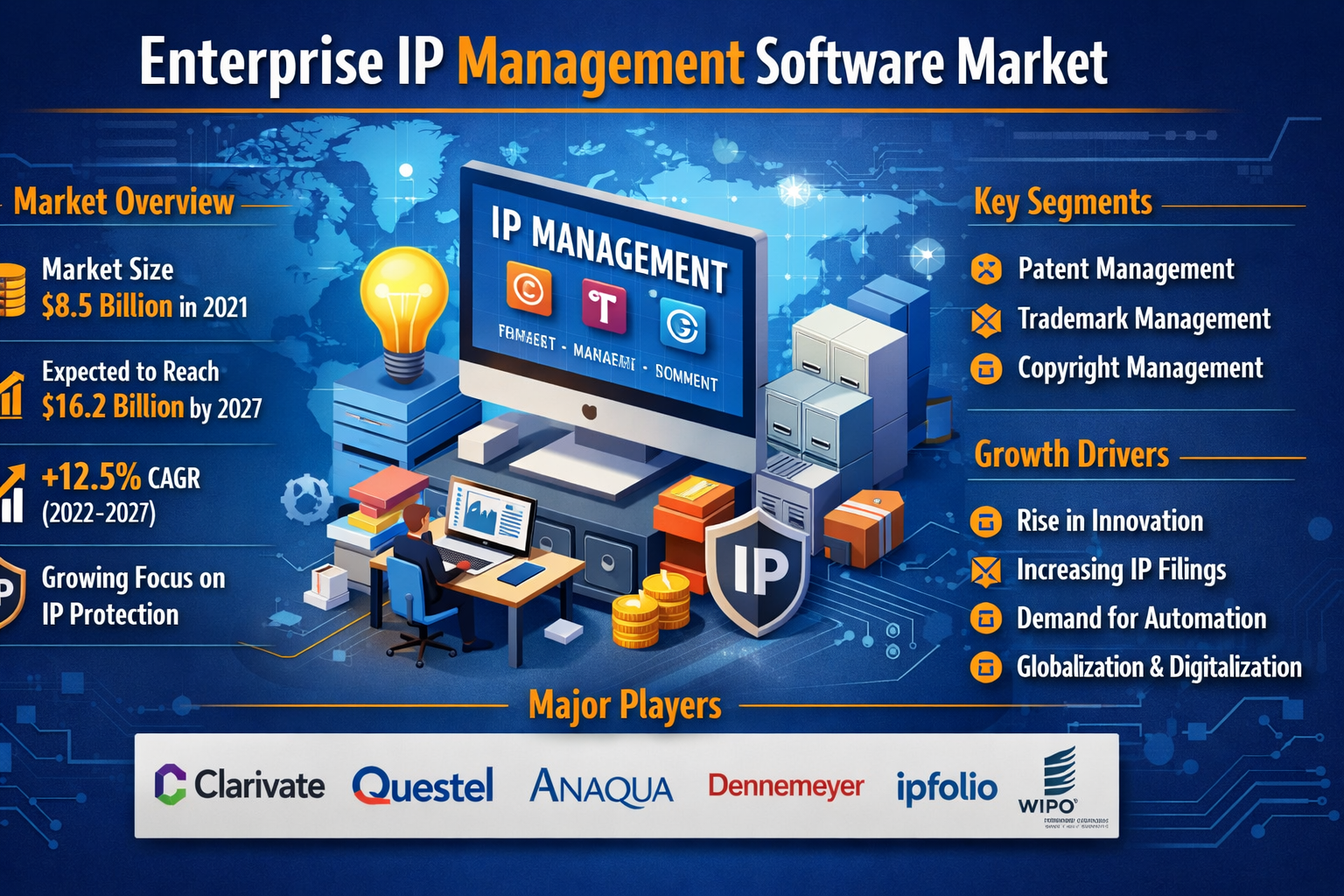
The Enterprise IP Management Software Market Opportunities is gaining substantial momentum as organizations globally recognize the strategic importance of protecting and maximizing the value of their intellectual property (IP) assets. With innovation cycles shortening and global competition intensifying, enterprises are increasingly adopting specialized software to manage patents,...
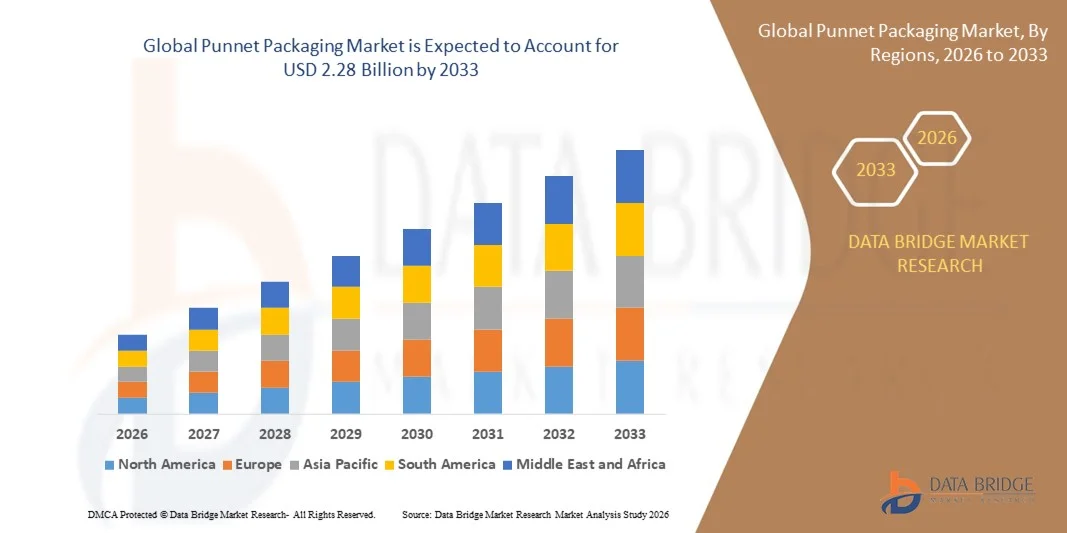
"Punnet Packaging Market Summary: According to the latest report published by Data Bridge Market Research, the Punnet Packaging Market The global punnet packaging market size was valued at USD 1.83 billion in 2025 and is expected to reach USD 2.28 billion by 2033, at a CAGR of 2.76% during the forecast period The market research data included in this...