


Building Permit Data: What It Tells You About a Land Market

Building permit data is filed weeks or months before construction begins. That timing makes it one of the earliest public signals of economic activity in a given area, earlier than MLS listings, earlier than census updates, and earlier than most buyers realize when researching a market. For land buyers, understanding what permit trends reveal is a meaningful addition to any market research process.
A building permit is a local government authorization for construction, renovation, or demolition activity. Every permit filed creates a public record that includes the permit type, project scope, estimated cost, contractor information, and location.
What Building Permit Data Covers
Permit records are issued by local municipalities and counties. A permit record typically includes permit type, project address and parcel identifier, estimated construction value, contractor name and license number, and application date, approval date, and inspection status.
What Building Permits Tell You About a Market
A rising count of new residential permits in a county or zip code suggests that builders are confident in local housing demand. Sharp increases in permit volume often precede corresponding increases in housing inventory and, in supply-constrained markets, upward pressure on land prices.
A sustained drop in permit volume signals a market where builders are pulling back. Pairing permit data with land values by state gives a more complete picture of whether price trends in a target county align with construction activity.
The type of permits being filed indicates what the market is building. Mapping permit activity over time reveals where growth is occurring within a market area.
How to Access Building Permit Data for Land Market Research
County and municipal portals publish permit records through a building department or online permit search. The U.S. Census Bureau's Building Permits Survey publishes monthly and annual permit data aggregated at the state, metro, and county level. For buyers entering a market as part of a structured acquisition process, reviewing how to buy land step by step provides a checklist of due diligence areas that permit research supports but does not replace.
Limitations of Permit Data for Land Buyers
Permits can expire or be cancelled. A filed permit does not confirm that construction will occur. Coverage gaps exist in smaller markets.
Treating permit trends as one input in a broader market analysis rather than as a standalone decision driver produces more reliable conclusions. For buyers evaluating whether a market's permit activity aligns with stated land pricing, checking zoning classification basics in the same county confirms whether the zoning in place supports the type of development the permit data implies.
Conclusion
Building permit data gives land buyers an earlier look at market direction than most other publicly available datasets. Volume trends indicate where builder confidence is concentrated. Permit type reveals the development mix. Geographic clustering shows where growth pressure is building before it registers in comparable sales or land listings.
Kategoriler
Read More
Electrical systems play a major role in supporting modern homes and businesses. From lighting and appliances to office equipment and security systems, reliable electricity is essential for daily operations and comfort. When electrical problems occur, they can create inconvenience, safety hazards, and unexpected repair expenses. Many property owners look for affordable electrical services that...

[Bangkok, Thailand – October 2025] — For decades, the Maldives has been the ultimate escape a constellation of coral islands scattered across the Indian Ocean where the world’s elite go to disconnect. But now, a quiet evolution is taking place. The same destination once known purely for barefoot luxury and overwater villas is emerging as one of the most desirable frontiers in...

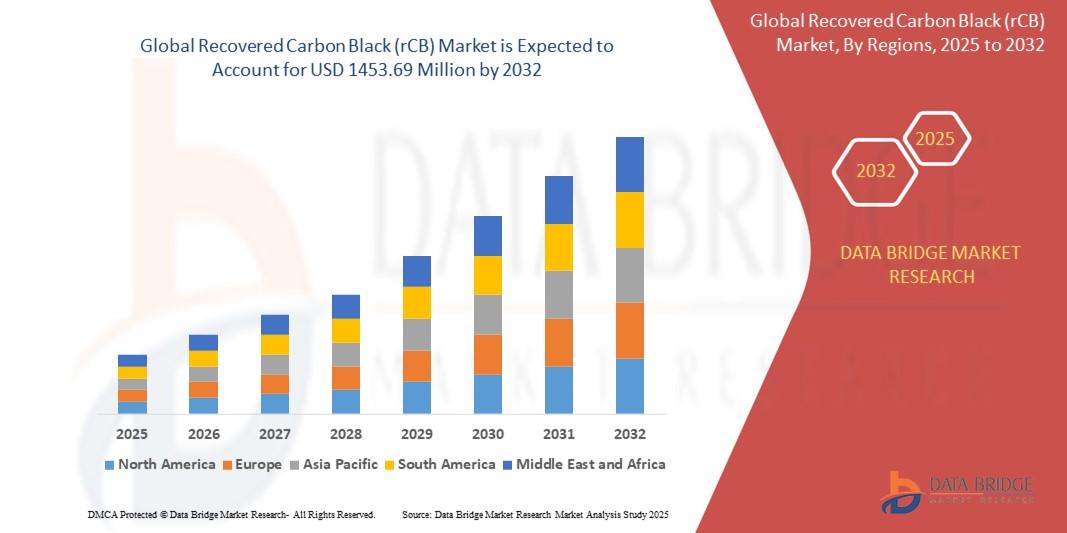
"Executive Summary Recovered Carbon Black (rCB) Market: Share, Size & Strategic Insights The global recovered carbon black (rCB) market size was valued at USD 243.10 million in 2024 and is expected to reach USD 1453.69 million by 2032, at a CAGR of 25.05% during the forecast period The Recovered Carbon Black (rCB) report makes available a thoughtful...
United States of America – The Insight Partners is proud to announce its newest market report, “Premium Chocolate Market: An In-depth Analysis and Forecast Period.” This comprehensive report provides a holistic view of the premium chocolate market, covering the current scenario, emerging trends, and growth projections during the forecast period. Overview The premium chocolate...

Are you running a prop trading business? Have you noticed that your business growth is slowing down? Many prop trading firms have either shut down or struggled to maintain their presence in the market. At the same time, many platform owners are still unsure how to position and manage their firms for long-term growth. If you are facing the same challenge, you are not alone. In this article, we...
