Corporate Podcast Recording Checklist Every Marketing Team Should Follow

Corporate podcasts have evolved from a branding experiment into a strategic marketing channel. Companies now use podcasts to educate customers, showcase industry expertise, introduce leadership teams, recruit talent, and strengthen relationships with clients and partners.
However, successful corporate podcasts aren't created through great conversations alone. Behind every polished episode is careful planning, clear communication, and a production workflow that ensures nothing is overlooked.
Marketing teams often spend weeks preparing campaigns but only a few hours preparing podcast recordings. The result can be missed talking points, inconsistent branding, unnecessary retakes, and production delays that increase costs while reducing content quality.
A structured recording checklist helps eliminate these problems. It keeps everyone aligned before, during, and after recording, allowing your team to focus on delivering valuable conversations rather than solving avoidable production issues.
This guide provides a practical corporate podcast recording checklist that marketing teams can use to produce professional, consistent, and business-focused podcast episodes in 2026.
Why Every Corporate Podcast Needs a Checklist
Unlike casual podcasts, corporate productions usually involve multiple stakeholders.
These may include:
-
Marketing managers
-
Company executives
-
Guest speakers
-
Content writers
-
Videographers
-
Editors
-
Social media teams
-
Brand managers
Without a standardized workflow, small oversights can affect the entire production schedule.
A checklist helps ensure that every episode meets the same quality standards regardless of who participates.
What Should a Corporate Podcast Achieve?
Before recording begins, define the purpose of the episode.
Common objectives include:
-
Building industry authority
-
Educating customers
-
Supporting product launches
-
Strengthening employer branding
-
Sharing executive insights
-
Answering customer questions
-
Generating leads
-
Creating long-form marketing content
Every decision—from guest selection to editing style—should support that primary objective.
Pre-Production: Plan Before You Record
The most efficient podcast sessions are planned well before the recording day.
Your preparation should include:
Define the Episode Topic
Choose a focused topic that solves one audience problem instead of covering multiple unrelated subjects.
Identify the Target Audience
Know whether you're speaking to:
-
Business owners
-
Existing customers
-
Potential clients
-
Industry professionals
-
Investors
-
Job candidates
Audience clarity improves the entire conversation.
Prepare an Episode Outline
Instead of scripting every sentence, prepare:
-
Opening remarks
-
Main discussion points
-
Questions
-
Supporting examples
-
Closing message
-
Call to action
This keeps conversations natural while ensuring important topics aren't missed.
Table 1: Corporate Podcast Pre-Recording Checklist
Before entering the studio, review every item below to avoid delays and unnecessary retakes.
|
Task |
Status |
|
Define episode objective |
✓ |
|
Confirm guest availability |
✓ |
|
Prepare discussion outline |
✓ |
|
Research guest background |
✓ |
|
Review brand messaging |
✓ |
|
Prepare call to action |
✓ |
|
Share agenda with participants |
✓ |
|
Confirm recording schedule |
✓ |
|
Gather presentation materials |
✓ |
|
Prepare backup discussion topics |
✓ |
Completing these tasks before recording allows the production team to focus on capturing high-quality content rather than resolving last-minute issues.

Prepare Your Guests
Guests often determine the quality of the discussion.
Before recording, send them:
-
Episode topic
-
Discussion outline
-
Recording schedule
-
Studio location
-
Parking information (if applicable)
-
Dress recommendations
-
Brand guidelines
-
Expected recording duration
Well-prepared guests usually feel more confident and contribute more naturally.
Confirm Branding Requirements
Corporate podcasts should remain visually and verbally consistent with the company's identity.
Review:
-
Logo placement
-
Brand colors
-
Intro graphics
-
Lower-third titles
-
Presentation style
-
Messaging guidelines
Consistency strengthens brand recognition across every episode.
Studio Setup Checklist
Once everyone arrives, verify the recording environment before cameras begin rolling.
Check:
Audio
-
Microphones positioned correctly
-
Headphones working
-
Audio levels balanced
-
Background noise eliminated
Video
-
Camera framing
-
White balance
-
Lighting consistency
-
Focus accuracy
-
Battery and storage capacity
Set Design
Ensure the background reflects your company's professional image without unnecessary distractions.
Professional podcast studios simplify this process because lighting, acoustics, and equipment are already optimized.
During the Recording
A successful recording session requires more than pressing the record button.
Begin With a Sound Check
Ask every participant to speak naturally for a few minutes.
This allows the production team to adjust microphone levels before the actual conversation begins.
Record a Brief Introduction Twice
Recording an alternative introduction provides flexibility during editing.
Leave Short Pauses
If someone makes a mistake, pause briefly before continuing.
These pauses make editing much easier.
Focus on the Conversation
Encourage speakers to engage naturally instead of reading directly from notes.
Authentic discussions create stronger audience engagement.
Content Opportunities During Recording
Every corporate podcast should generate more than one video.
Capture additional content such as:
-
Behind-the-scenes footage
-
Guest arrival photos
-
Team collaboration images
-
Short promotional clips
-
Individual introductions
-
Quote-worthy moments
These assets support future marketing campaigns.
Post-Recording Checklist
Production doesn't end when recording finishes.
Immediately after the session:
-
Back up all files
-
Label recordings clearly
-
Save project folders
-
Review audio quality
-
Confirm editing priorities
-
Select thumbnail images
-
Schedule editing deadlines
Organized file management prevents unnecessary production delays.
Table 2: Post-Production Workflow Checklist
A structured post-production process keeps every episode moving toward publication without confusion.
|
Stage |
Responsibility |
|
Backup footage |
Production Team |
|
Edit audio and video |
Editor |
|
Add graphics and branding |
Design Team |
|
Review final edit |
Marketing Manager |
|
Optimize title and description |
YouTube SEO Specialist |
|
Design thumbnail |
Graphic Designer |
|
Schedule publishing |
Channel Manager |
|
Monitor performance |
Marketing Team |
Assigning ownership to every task reduces bottlenecks and keeps production on schedule.

Repurpose Every Podcast Episode
One corporate podcast should become an entire content campaign.
Repurpose it into:
-
YouTube Shorts
-
LinkedIn videos
-
Facebook clips
-
Blog articles
-
Email newsletters
-
Quote graphics
-
Website resources
Planning these assets before recording ensures the production team captures everything needed during the session.
Common Corporate Podcast Mistakes
Even experienced marketing teams make avoidable mistakes.
Watch out for:
Recording Without a Goal
Every episode should support a measurable business objective.
Too Many Speakers
Large groups often create overlapping conversations that are difficult to edit.
Ignoring Time Limits
Long, unfocused discussions reduce audience retention.
Skipping Technical Checks
Minor audio or camera problems become expensive once recording begins.
Forgetting Marketing Assets
Many teams finish recording without capturing photos or short promotional videos for social media.
Should You Record In-House or Use a Professional Studio?
In-house recording works well for internal updates or occasional podcasts.
However, businesses producing regular content often benefit from a professional recording environment that provides:
-
Broadcast-quality microphones
-
Professional lighting
-
Multi-camera recording
-
Acoustic treatment
-
Technical support
-
Efficient production workflows
Using a Professional Podcast Studio in Lahore also reduces setup time and allows marketing teams to focus on messaging instead of equipment.
Expert Recommendations for Marketing Teams
A checklist is only effective if it becomes part of your standard workflow.
Create a Repeatable Production Process
Use the same preparation documents, approval stages, and production checklists for every episode to improve efficiency over time.
Record Multiple Episodes Per Session
Batch recording reduces setup costs and provides enough content for several weeks of publishing.
Involve Marketing Early
Marketing teams should contribute during topic planning—not just after recording—so every episode supports broader campaign objectives.
Plan Distribution Before Recording
Decide where the content will be published before filming begins. This influences framing, graphics, calls to action, and additional footage requirements.
Work With a Professional Production Partner
Businesses producing regular podcasts often save time by working with a Reliable Studio for Podcasters, YouTubers, Influencers, and Businesses. A Professional Content Creation Studio in Lahore such as Delenzo Studio provides podcast recording, video production, photography services, and YouTube Automation and Channel Management Support, creating a streamlined workflow from recording through publication.
Frequently Asked Questions
What should marketing teams prepare before recording a corporate podcast?
Prepare the episode objective, discussion outline, guest information, brand messaging, recording schedule, and a clear call to action before arriving at the studio.
How long should a corporate podcast recording session last?
While the ideal recording length depends on the topic, scheduling additional time for equipment setup, sound checks, and retakes helps avoid unnecessary pressure during the session.
Why is a podcast recording checklist important?
A checklist keeps the production organized, reduces mistakes, improves communication between teams, and helps ensure every episode meets consistent quality standards.
Should businesses record multiple podcast episodes in one day?
Yes. Batch recording is an efficient way to maximize studio time, reduce production costs, and maintain a consistent publishing schedule.
Where can businesses in Lahore record professional corporate podcasts?
Companies looking for a Professional Podcast Studio in Lahore can work with Delenzo Studio, which offers a professional recording environment, video production, photography services, podcast production, and creator-focused content support for businesses and marketing teams.
Conclusion
A successful corporate podcast is the result of preparation, collaboration, and a well-organized production process. While engaging conversations are essential, the quality of each episode often depends on the work completed before the microphones are switched on and after the cameras stop recording.
By following a structured checklist, marketing teams can reduce production delays, maintain consistent branding, improve recording efficiency, and create content that supports broader business goals. From planning topics and preparing guests to optimizing the final upload, every stage contributes to a smoother workflow and a stronger finished product.
For businesses producing podcasts regularly, working with a Professional Content Creation Studio in Lahore can simplify the entire process. Delenzo Studio provides a Professional Recording and Production Environment, along with podcast recording, video production, photography services, and YouTube Automation and Channel Management Support, helping marketing teams create high-quality corporate podcasts that are ready for publication across multiple platforms.
Categorias
Leia mais
Making Salesforce Service-Con-201 Exam Study Simple and Stress-Free Preparing for the Salesforce Service-Con-201 exam does not have to feel stressful or confusing. Many students struggle because they study too much without a clear plan. They read many resources but still feel unsure about what really matters for the exam. Choosing clear and trusted Salesforce Service-Con-201 study material...

As we navigate the fiscal quarter of 2026, the United Kingdom's digital landscape has undergone a seismic shift. The traditional barriers between "Advertising" and "Reputation" have dissolved. For the 5.6 million SMEs currently driving the UK economy, visibility is no longer a matter of keyword density alone; it is a matter of verified authority. This guide serves as a strategic blueprint for...

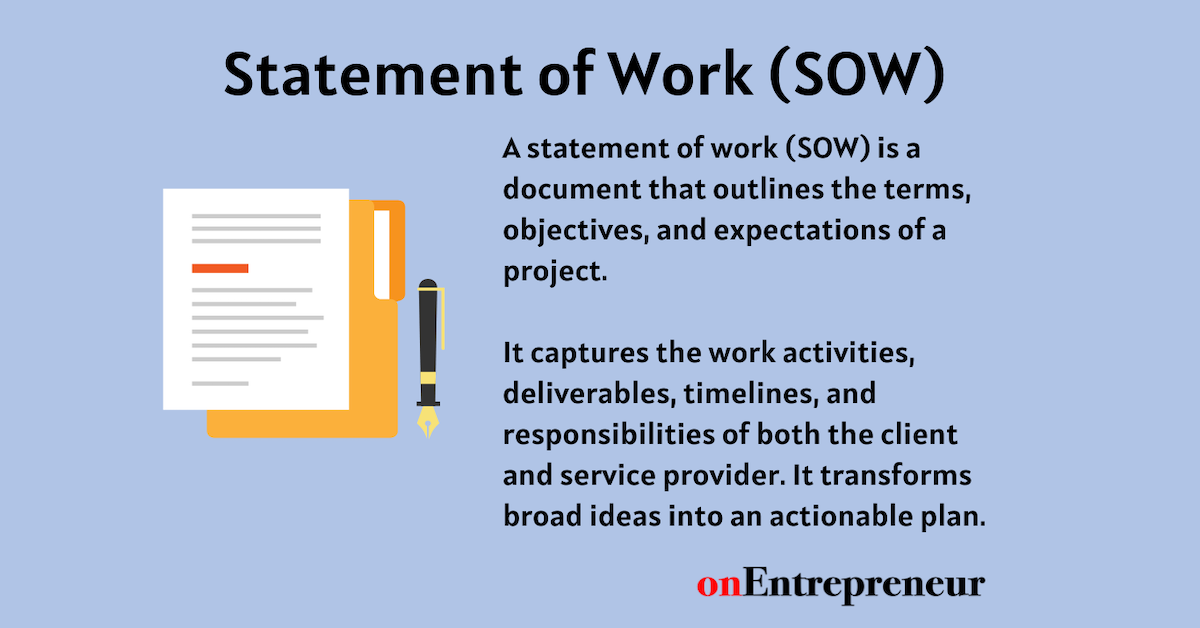
A Statement of Work( SOW) is a critical document in software development systems that fluently defines the compass, objects, deliverables, timelines, and arrears of all parties involved. It serves as a formal agreement between a customer and a development platoon, icing clarity, responsibility, and alignment throughout the design lifecycle. A well- structured SOW helps minimize...
In today's rapidly evolving IT environment Automation, programmability, and software-defined networking are transforming how networks are constructed and operated. Cisco's CCIE DevNet Training allows professionals to overcome the divide between the traditional network and development of software. This course is perfect for IT engineers as well as network architects and developers who want to be...
The market research for the global Dunnage Air Bags market is an accumulation of first-hand facts and quantitative and qualitative evaluation and analysis for the forecast period (2024-2032). The report offers a comprehensive assessment of macro-economic indicators, parent market trends, and several factors influencing the market dynamics. In addition, it also assesses the latest...