


GMP Certification: Ensuring Quality and Safety in Manufacturing Processes
GMP Certification: Ensuring Quality and Safety in Manufacturing Processes
GMP certification demonstrates that an organization follows Good Manufacturing Practices (GMP) to produce safe, consistent, and high-quality products that meet regulatory and industry requirements. It is widely applied in pharmaceutical, food, cosmetics, medical device, and healthcare industries. GMP certification helps organizations establish effective quality control systems, reduce manufacturing risks, maintain product consistency, and strengthen customer confidence while ensuring compliance with national and international standards.
What is GMP Certification?
GMP certification verifies that an organization's manufacturing processes comply with Good Manufacturing Practice requirements. It focuses on maintaining proper facilities, trained personnel, controlled production processes, equipment management, documentation, quality assurance, and product traceability.
The certification process includes implementing GMP procedures, maintaining records, conducting internal audits, reviewing quality systems, and completing an assessment by an accredited certification body or regulatory authority.
Key Requirements
To achieve GMP certification, organizations must maintain hygienic production facilities, train employees, validate manufacturing processes, control raw materials, maintain equipment, establish quality control procedures, manage deviations, ensure product traceability, conduct inspections, and implement corrective and preventive actions.
These requirements help ensure product safety, reliability, and consistent quality.
Benefits of Certification
GMP certification improves manufacturing quality, strengthens regulatory compliance, reduces production errors, and increases customer trust. It helps organizations improve operational efficiency, minimize contamination risks, reduce product recalls, enhance brand reputation, and gain access to new domestic and international markets.
The certification also supports a strong culture of quality and continual improvement.
Continual Improvement
Continual improvement is an important part of GMP practices. Organizations should regularly review manufacturing processes, monitor quality performance, conduct internal audits, implement corrective actions, and update procedures to meet changing regulations, technologies, and customer expectations.
Conclusion
GMP certification provides organizations with a recognized framework for maintaining high manufacturing standards. By implementing Good Manufacturing Practices effectively, businesses can improve product quality, achieve regulatory compliance, strengthen customer confidence, and support long-term success through safe and reliable manufacturing operations.
Категории
Больше
In today’s cloud-driven world, security is more than a necessity—it is a responsibility. The AWS Certified Security Specialty (SCS-C03) certification validates advanced expertise in securing applications and workloads on Amazon Web Services (AWS). Designed for professionals with deep knowledge of cloud security, this certification demonstrates the ability to implement robust...

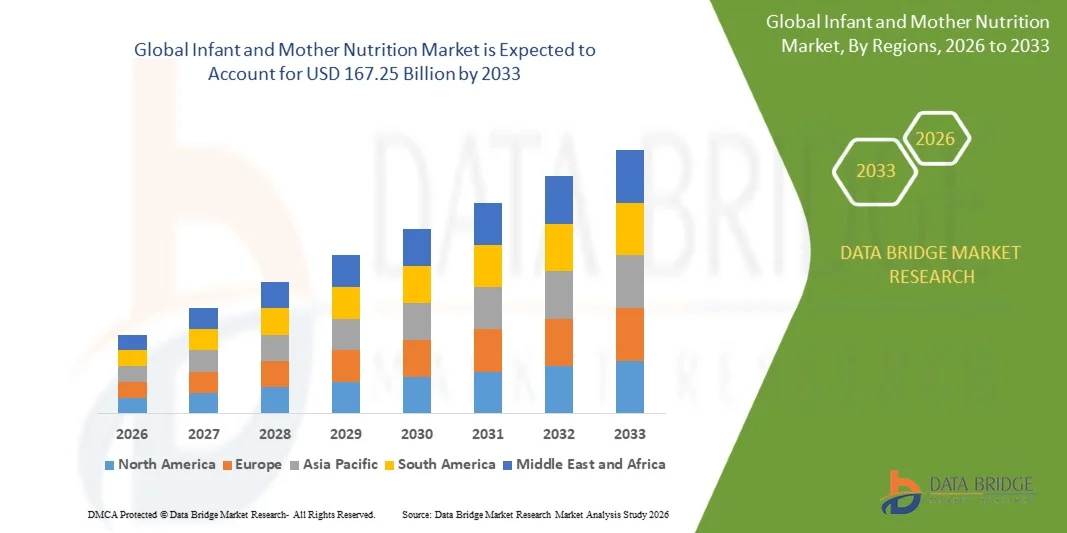
According to the latest report published by Data Bridge Market Research, the Infant and Mother Nutrition Market The global infant and mother nutrition market size was valued at USD 87.08 billion in 2025 and is expected to reach USD 167.25 billion by 2033, at a CAGR of 8.50% during the forecast period The market growth is largely fuelled by rising...
"Smart Home Water Sensor and Controller Market Summary: According to the latest report published by Data Bridge Market Research, the Smart Home Water Sensor and Controller Market The global smart home water sensor and controller market size was valued at USD 712.48 million in 2025 and is expected to reach USD 1013.22 million by 2033, at a CAGR of 4.50% during the forecast period Smart...

The rapid expansion of the global industrial landscape is a direct result of the accelerating Supply Chain Management Erp System Market Growth observed across various technology sectors. One of the primary catalysts is the increasing complexity of modern global networks, ranging from multi-country sourcing to complex last-mile delivery requirements. Companies find it increasingly difficult to...

Buying a motorcycle is more than just choosing a mode of transportation it's about selecting a machine that matches your personality and riding style. For Indian riders, the ₹3 lakh budget segment offers some of the most exciting motorcycles that perfectly balance premium design, performance, comfort, and affordability. If you're searching for the Top 5 Bikes Under 3 Lakhs or looking for the...
