High-Power Azimuth Thrusters Advance Modern Marine Propulsion

High-power azimuth thrusters are transforming vessel propulsion by combining thrust generation and steering within a single rotating unit. Unlike conventional arrangements that use fixed propellers and separate rudders, these systems can rotate through 360 degrees to direct thrust precisely. Their maneuverability, compact integration, and compatibility with diesel-electric and hybrid power systems make them valuable for offshore support vessels, cruise ships, ferries, icebreakers, naval vessels, tugboats, and specialized commercial ships.
According to MarkNtel Advisors, the global high-power azimuth thruster industry was valued at approximately USD 342 million in 2025 and is projected to increase from USD 363.75 million in 2026 to USD 495 million by 2032. This marine propulsion trajectory represents an estimated CAGR of 6.36% during 2026–2032, supported by offshore development, fleet modernization, dynamic-positioning requirements, and the adoption of more efficient electric propulsion architectures.
Integrated Steering Improves Vessel Maneuverability
An azimuth thruster typically consists of an electric or mechanical drive connected to a submerged propeller unit that can rotate horizontally. By changing the direction of thrust, a vessel can turn, move sideways, hold position, or operate in confined waters with greater precision.
This capability is particularly important for vessels operating near offshore platforms, ports, subsea infrastructure, wind farms, or other ships. Better maneuverability can reduce dependence on tug assistance and improve operational control during docking and low-speed movement.
The technology may also simplify vessel design by replacing traditional shaft lines, rudders, and steering gear. However, system selection must consider hull form, vessel duty, redundancy, hydrodynamic performance, and maintenance access.
Offshore Operations Create Sustained Demand
Offshore support and construction vessels rely heavily on azimuth propulsion because they must maintain accurate positions while transporting equipment, supporting drilling, laying cables, or servicing offshore installations.
Dynamic-positioning systems combine thrusters with sensors and automated controls to counteract wind, waves, and currents. The International Maritime Organization provides guidance for dynamically positioned vessels, including recommendations covering equipment classes, redundancy, testing, and operational procedures.
Thruster availability is critical in these applications. A propulsion failure can interrupt subsea work, create safety risks, or force a vessel to abandon its position. Operators therefore prioritize dependable components, backup power, condition monitoring, and rapid maintenance support.
The 3.1–5 MW Segment Holds a Major Share
Thrusters rated between 3.1 and 5 megawatts represented approximately 38% of global demand in 2026. This range provides sufficient power for medium-to-large offshore vessels, ferries, cruise ships, and specialized commercial vessels while supporting flexible propulsion layouts.
Higher output enables ships to maintain speed and maneuverability under challenging sea conditions. Multiple units may also be installed to provide redundancy and distribute propulsion loads more effectively.
The choice of rating depends on vessel displacement, expected speed, operating environment, bollard-pull requirements, and onboard power-generation capacity. Oversized units may increase capital costs and operate inefficiently under light loads, while undersized equipment can limit performance.
Electric Propulsion Supports Flexible Power Management
Many high-power azimuth thrusters are integrated into diesel-electric or hybrid propulsion systems. Instead of mechanically connecting the engine directly to the propeller, onboard generators produce electricity that can be distributed among propulsion units, hotel loads, pumps, and other systems.
This arrangement allows engines to operate closer to efficient load ranges and enables operators to shut down unnecessary generating sets when power demand is low. Batteries can also respond to short-term load changes and support quieter, lower-emission port operations.
The International Energy Agency notes that energy-efficiency improvements are among the most immediate ways for shipping companies to lower fuel consumption and operating expenses. Efficient thruster design, optimized vessel speed, improved hull performance, and digital power management can contribute to these savings.
Europe Maintains Regional Leadership
Europe held approximately 32% of global demand in 2026. The region has established shipbuilding, offshore energy, marine engineering, cruise, ferry, and equipment-manufacturing industries.
North Sea offshore oil, gas, and wind operations require vessels capable of maintaining position in demanding weather conditions. European ferry operators are also adopting electric and hybrid propulsion as governments and port authorities pursue lower-emission transport.
The European Union’s FuelEU Maritime regulation introduces progressively stricter limits on the greenhouse-gas intensity of energy used aboard applicable ships. Such requirements encourage investment in efficient propulsion, alternative fuels, shore power, and onboard energy-management technologies.
Regulation Is Adapting to Modern Propulsion
Traditional maritime safety rules were primarily written for vessels using fixed propellers and rudders. Modern combined steering and propulsion arrangements require updated technical standards addressing control, redundancy, emergency response, and failure scenarios.
The International Association of Classification Societies develops unified requirements and recommendations that support ship safety and consistent technical evaluation. Classification societies also assess thruster machinery, electrical systems, structural integration, and control architecture during vessel approval.
The IMO’s 2023 greenhouse-gas strategy calls for international shipping’s carbon intensity to decline by at least 40% by 2030 compared with 2008. Achieving this objective will require cleaner fuels alongside efficient hulls and propulsion technologies.
High-power azimuth thrusters will remain central to vessels requiring precise movement, redundancy, and flexible power distribution. Future development will increasingly emphasize electric drives, advanced controls, predictive maintenance, lower underwater noise, and integration with batteries and alternative-fuel power systems.
Categorias
Leia mais
Polaris Market Research has introduced the latest market research report titled Generative AI in Animation Market Size, Share, Trends, & Industry Analysis Report By Component (Services, Solutions), By Type, By End-Use, and By Region, Segment Forecast, 2025 - 2034 that highlights the major revenue stream for the forecast period. The report contains clear, reliable, and...

Holiday decoration has increasingly shifted toward creativity, personalization, and emotional expression. People are no longer satisfied with standard seasonal setups; instead, they seek lighting designs that reflect individuality and create immersive festive experiences. Within this trend, LED Copper Wire Christmas Lights have become a popular choice for transforming ordinary spaces into warm,...

Research suggests that the automobile front caliper piston is the component that converts hydraulic pressure into the mechanical force required to apply the brakes. This precision-engineered part, typically made of steel, aluminum, or phenolic resin, is housed within the caliper and is directly acted upon by the brake fluid. When the brake pedal is depressed, hydraulic pressure from...

PHÂN TÍCH TÍNH NĂNG "LỊCH SỬ NỔ HŨ" – DẤU HIỆU CỦA JACKPOT Tính năng "Lịch sử nổ hũ" trên trang chủ nohuwin com không chỉ để xem cho vui, mà nó ẩn chứa các quy luật mà máy Slot vận hành. Đây là dữ liệu thực tế giúp bạn phán đoán thời điểm hũ sắp nổ. 1. Quan sát...

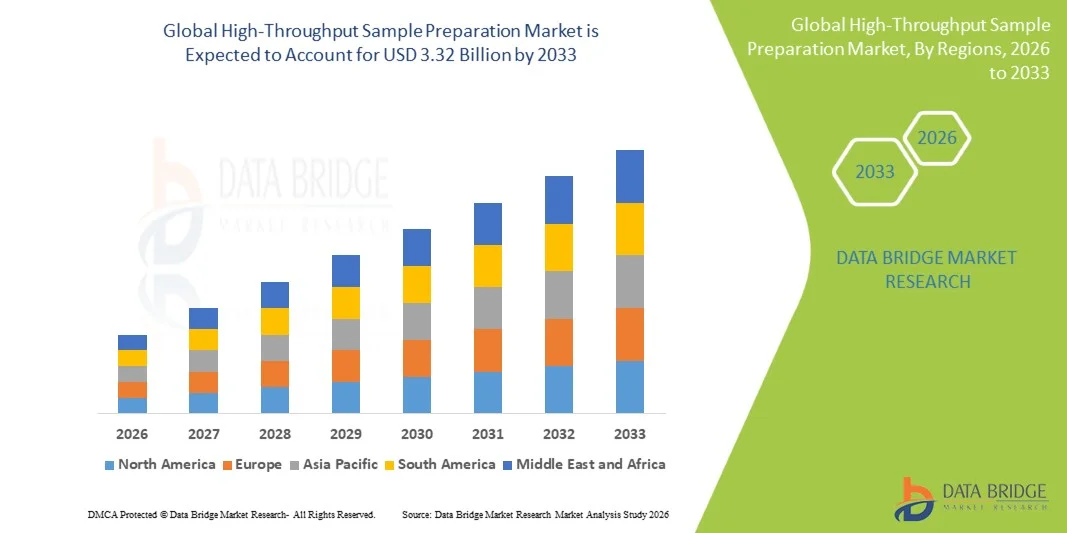
According to the latest report published by Data Bridge Market Research, the High-Throughput Sample Preparation Market The High-Throughput Sample Preparation Market size was valued at USD 1.33 billion in 2025 and is projected to reach USD 3.32 billion by 2033, growing at a CAGR of 12.10% during the forecast period. The market expansion is primarily driven by...