


How High Flow Filters Help Improve Water Quality and System Reliability

Most people don't think about filtration until the water pressure drops or something starts tasting off. That's usually the moment a high flow filter gets mentioned, and for good reason. These things move a lot more volume than your standard cartridge without sacrificing the filtration quality, which matters a ton in facilities where downtime isn't really an option. I've seen plants swap over and immediately notice fewer pressure complaints. It's not flashy engineering, just smarter capacity.
What Makes a High Flow Filter Different
A regular filter cartridge chokes when you push high volume through it, pressure drops, flow slows, and eventually somebody's calling maintenance. High flow filtration systems solve this with a bigger surface area packed into roughly the same housing footprint. More pleats, more media, same or smaller shell. That means water moves through faster without straining the system, and you're not stuck swapping filters every other week just because volume outpaced capacity. It's really just smart geometry doing the heavy lifting here, honestly.
Water Quality Benefits Worth Knowing
Here's the thing people miss: high flow filters aren't just about speed, they actually hold up filtration quality while doing it. Because the media area is so much larger, particulate gets captured efficiently even at higher flow rates, which keeps water clean without the pressure drop you'd expect. Municipal systems, industrial process water, even large commercial buildings use these to keep contaminants out while still meeting demand. Less particulate, cleaner output, and honestly, fewer complaints from whoever's downstream drinking or using that water.
System Reliability and Fewer Shutdowns
Reliability is where high flow filtration really earns its keep. Facilities running continuous operations can't afford constant filter changes, that's lost time and lost money. A properly sized high flow filter extends the interval between changeouts significantly, sometimes doubling or tripling what a standard cartridge would give you. Fewer changeouts mean fewer chances for contamination during the swap, less labor cost, and honestly just less stuff for the maintenance team to worry about on a Friday afternoon.
Industrial Applications Driving Demand
Industries dealing with large water volumes, think power plants, food and beverage processing, chemical manufacturing, lean heavily on high flow filtration because standard cartridges just can't keep pace. These setups often run alongside other filtration needs too. A dust collector filter, for instance, handles airborne particulate in the same facility while high flow filters handle the water or process fluid side. Different problem, similar philosophy: bigger capacity, less frequent maintenance, steadier output across the board.
Where Dust Collector Filters Fit Into the Conversation
It might seem odd to bring up a dust collector filter in an article about water filtration, but a lot of industrial facilities are managing both systems side by side. Plants that invest in high flow filtration for their water lines are usually just as serious about air quality, running dust collection cartridge filters to capture particulate before it becomes a compliance headache. The two systems don't overlap technically, but the mindset behind choosing them is identical, capacity that matches actual demand instead of guessing and hoping.

Cost Savings Over Time
Nobody loves the upfront cost of upgrading filtration, I get it. But high flow filters tend to pay for themselves through reduced replacement frequency and lower labor costs tied to maintenance. Facilities that made the switch often report meaningfully lower annual filtration spend within the first year or two, even after accounting for the higher initial investment. Add in fewer unplanned shutdowns from clogged filters, and the math starts looking pretty favorable pretty fast, especially at scale.
Choosing the Right High Flow Filtration System
Not every application needs the biggest filter on the shelf, that's a mistake I see a lot. Matching micron rating, flow rate, and housing compatibility to your actual system demand matters way more than just buying the highest capacity option available. Undersizing wastes the investment, oversizing wastes money you didn't need to spend. Talking to a filtration specialist before committing to a system saves headaches later, and most suppliers will actually walk you through sizing instead of just pushing a sale.
Maintenance Considerations for Long-Term Performance
Even high flow filters need attention eventually, they're not maintenance-free forever. Monitoring pressure differential is the easiest way to know when a changeout is actually due instead of guessing on a calendar schedule. Facilities that track this data tend to squeeze more life out of each filter cycle, which stacks the savings even further. It's a small habit, checking pressure gauges regularly, but it makes a real difference in how long these systems perform reliably before needing service.
Environmental and Operational Advantages
Longer filter life doesn't just save money, it reduces waste too. Fewer cartridges going into landfills, less packaging, less shipping, it adds up more than people expect. Facilities focused on sustainability goals are increasingly looking at high flow filtration and dust collector filter upgrades together as part of a broader push toward operational efficiency. It's not the flashiest sustainability initiative a company can announce, but it's one of the more practical ones that actually moves the needle.
Real-World Impact on Facility Operations
I've talked to plant operators who switched to high flow filtration purely to solve a pressure problem, and ended up staying because the reliability improvements were bigger than expected. Fewer emergency filter changes, steadier water quality, less strain on downstream equipment. It's the kind of upgrade that doesn't get much attention until it's not there anymore, and then everyone notices immediately. That alone tells you something about how much these systems quietly do behind the scenes.
Conclusion
High flow filters solve a problem a lot of facilities don't realize they have until pressure drops or maintenance costs creep up. Better water quality, longer intervals between changeouts, and steadier system reliability all come from the same basic idea, more filtration capacity without more hassle. Pair that with dust collector filter systems running on similar logic elsewhere in the facility, and you've got a filtration strategy built around actual demand instead of guesswork. If your system's been fighting pressure issues or eating through filters too fast, it's probably worth a second look.
Categories
Read More
HydraFacial Benefits for Acne-Prone Skin Explained begins by highlighting how advanced skincare solutions have gained attention for supporting clearer and healthier-looking skin. Among these approaches, HydraFacial in Dubai is often discussed as a modern skin-refreshing method that focuses on deep cleansing and hydration without harsh irritation. This treatment concept is widely...

How Sky Exchange Combines Convenience, Speed, and Entertainment in One Platform In today's fast-moving digital world, online users expect more than just basic functionality from a gaming platform. They want quick access, smooth performance, exciting features, and an overall enjoyable experience. This is where Sky Exchange has managed to build a strong reputation among gaming...

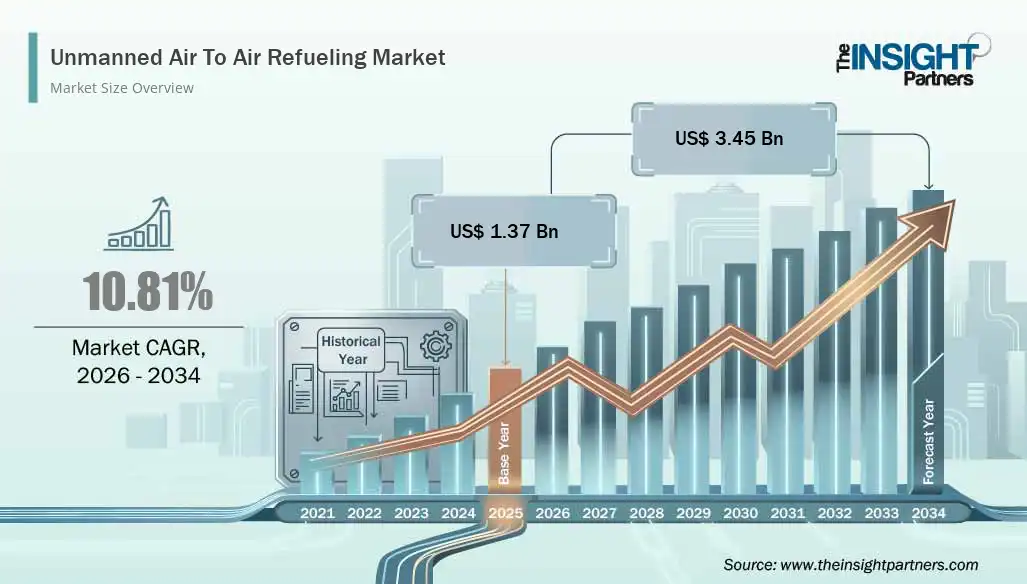
The Unmanned Air To Air Refueling Market is witnessing remarkable growth as defense organizations increasingly invest in autonomous technologies to enhance aerial mission capabilities and operational efficiency. Unmanned air to air refueling systems enable drones and other unmanned aerial vehicles to extend flight duration, increase mission range, and improve operational flexibility without...
Step-by-Step Guide to Fast Deposits and Withdrawals on Sky Exchange Online betting and live casino platforms are growing rapidly in India, and users now expect quick and secure payment systems. One of the biggest reasons why players prefer Sky Exchange is its smooth deposit and withdrawal process. Whether you are a beginner or a regular player, understanding how to transfer funds safely can...
According to the latest report published by Data Bridge Market Research, the Pumps and Trigger Spray Market The global pumps and trigger spray market size was valued at USD 7.71 billion in 2025 and is expected to reach USD 12.71 billion by 2033, at a CAGR of 6.45% during the forecast period Pumps and Trigger Spray Market report contains...