


Analyzing the Players Defining the Global Brain-Computer Interface Market Share

The global competition for Brain-Computer Interface Market Share is a fascinating spectacle, featuring a diverse cast of players ranging from university spin-offs and established medical device firms to some of the most ambitious and well-funded tech startups in the world. Market share in this nascent industry is not yet consolidated; instead, it is fragmented across different technological approaches and application verticals. The leaders in one segment, such as invasive clinical systems, are often completely different from the leaders in another, such as consumer-grade EEG headsets. Understanding the strategies and competitive positioning of these key players is essential to grasping the current state and future direction of the BCI market. The landscape is currently being defined by the interplay between the slow, rigorous, and evidence-based approach of the medical device world and the fast-moving, disruptive ethos of Silicon Valley.
In the high-stakes arena of invasive, medical-grade BCIs, a few key players hold a significant portion of the mindshare and research-based market share. Blackrock Neurotech is a long-standing leader, whose neuro-port arrays have been used in a majority of the human BCI research studies over the past two decades, enabling paralyzed individuals to control robotic arms and communicate. Their market share is built on a foundation of proven technology, extensive clinical validation, and deep relationships with the academic research community. Challenging the status quo are highly publicized newcomers. Neuralink, backed by Elon Musk, aims to leapfrog existing technology with a much higher-channel, "sewing machine"-implanted system, targeting both medical and eventually transhumanist goals. Synchron has carved out a unique niche with its endovascular "Stentrode," a less invasive approach that avoids open-brain surgery and has shown promising early results. The market share in this segment will be determined by which company can most successfully navigate the complex triangle of technological performance, long-term safety, and regulatory approval from bodies like the FDA.
The non-invasive BCI segment presents a completely different competitive dynamic, with a larger number of players and a greater focus on volume and accessibility. In the research and prosumer market, companies like Emotiv and g.tec have established a strong presence by offering multi-channel EEG systems that provide a balance of performance and usability for academic researchers and developers. In the pure consumer space, NeuroSky has been a pioneer, developing low-cost, single-channel EEG chipsets that have been integrated into a wide range of toys, games, and wellness devices. More recently, companies like Kernel have entered the high-end non-invasive market with sophisticated systems (like its fNIRS-based "Kernel Flow") aimed at creating a new platform for "Neuroscience as a Service." The market share in the non-invasive space is won through a combination of hardware comfort and usability, software and app ecosystem development, and hitting the right price point for the target market, whether it be researchers, gamers, or wellness enthusiasts.
A third and potentially decisive group of players entering the BCI market are the big tech giants. While most are still in the research and development phase, their potential to dominate the market share is immense. Meta (formerly Facebook) made a significant move by acquiring CTRL-labs, a company developing a wristband that can interpret neural signals sent from the brain to the hand, effectively creating a non-invasive BCI for controlling virtual and augmented reality. Apple is notoriously secretive but is widely believed to be exploring BCI and other neuro-technologies for future human-computer interfaces. Google's life sciences division, Verily, is also actively involved in neuroscience research. The strategy for these tech giants is not necessarily to become medical device companies, but to develop BCI as a next-generation input modality for their own ecosystems (VR/AR, smart devices). Their vast resources, AI expertise, and direct access to billions of consumers could allow them to rapidly capture a commanding market share once they decide to enter the market in earnest.
Explore More Like This in Our Reports:
Consumer Asset Tracking Market
Categorieën
Read More
Introduction Saurabh Bike Rental is a trusted and reliable choice for customers searching for “bike rental near me”in Varanasi. services. Whether you are a tourist exploring the city, a student needing daily transportation, or a professional looking for a convenient ride, renting a bike or scooty is one of the smartest solutions. Instead of depending on public transportation or...

The WB is making a major push into theatrical films, committing to a multimillion-dollar package for New Line’s Lord of the Rings trilogy in a shared, decade-long network window with Turner’s TBS and TNT. The minimum fee for the three films is about $75 million, but the overall price could climb to roughly $160 million or more depending on the sequels’ box-office returns;...

" According to the latest report published by Data Bridge Market Research, the Vascular Endothelial Growth Factor (VEGF) Inhibitor Market Data Bridge Market Research analyses a growth rate in the vascular endothelial growth factor (VEGF) inhibitor market in the forecast period 2023-2030. The expected CAGR of vascular endothelial growth factor (VEGF) inhibitor market is tend to be...

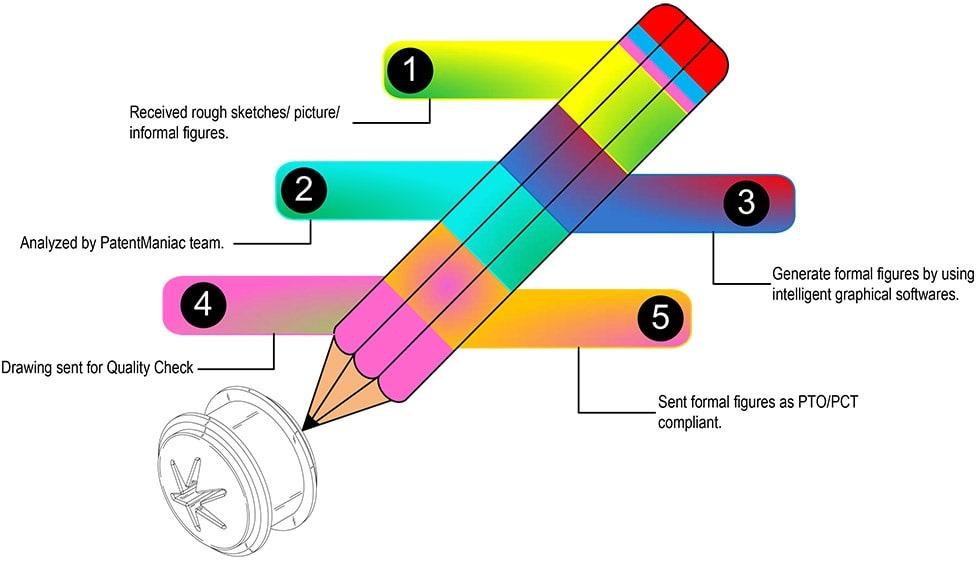
In the fiercely competitive world of innovation, your idea isn’t just competing—it’s fighting for survival. A single misstep in your patent application can cost you everything. That’s where choosing the right patent drawing company becomes not just important, but absolutely critical. Enter PatentManiac, the powerhouse redefining excellence with its cutting-edge patent...
Corporate meetings become more efficient and engaging with Hire iPad Pro, offering powerful performance, sleek design, and seamless app integration for presentations, registrations, and team collaboration. For reliable ipad pro services and fast delivery, contact Techno Edge Systems LLC at +971-54-4653108. Visit Us: https://www.ipadrentaldubai.com/