Navigating F1 Visa Transitions: Your Guide to Academic Success

Relocating to the United States to pursue higher education is an exciting milestone, but navigating the administrative requirements can feel overwhelming. International students entering the country on nonimmigrant visas often decide to shift their path toward full-time academic study. Changing your status while remaining in the United States requires careful planning, strict adherence to deadlines, and precise documentation. Understanding how the process works ensures you can transition smoothly into your chosen academic program without interrupting your legal stay.
When transitioning from another nonimmigrant category—such as a tourist, visitor, or temporary worker status—to an academic student classification, timing is everything. You must maintain lawful status throughout the entire application window until your new status receives official approval. Filing too early or too late can jeopardize your permission to stay in the country. Working with experienced advisors who provide specialized student visa assistance USA makes a crucial difference in organizing your paperwork correctly and preventing administrative delays.
Understanding the Criteria for Status Adjustment
Before submitting your paperwork to government authorities, you must verify that you meet all eligibility criteria for an academic status change. First, you need an official acceptance letter from a Designated School Official (DSO) at a Student and Exchange Visitor Program (SEVP)-certified institution. Once accepted, the institution issues Form I-20, which outlines your program details, start date, and estimated expenses.
In addition to academic acceptance, applicants must prove financial capability. You must demonstrate sufficient funds to cover tuition, living expenses, and health insurance for at least your first academic year. Providing detailed financial statements, sponsorship letters, or bank documentation shows immigration officials that you can support yourself without engaging in unauthorized employment.
Step-by-Step Overview of the Filing Process
The process of updating your nonimmigrant status involves several distinct administrative steps that must be completed in order:
-
Obtain Form I-20: Receive your official document from your SEVP-approved school's international student office.
-
Pay the SEVIS Fee: Pay the required SEVIS I-901 fee online and retain your official receipt for submission.
-
Prepare Form I-539: Complete the application to extend or change nonimmigrant status accurately.
-
Compile Supporting Documentation: Gather passport copies, current visa pages, I-94 arrival records, and financial proofs.
-
Submit to USCIS: File your complete packet with the appropriate processing center along with the required filing fee.
Avoiding Common Pitfalls During Processing
One of the most frequent mistakes applicants make is attempting to begin full-time studies before receiving formal approval. Unless explicitly permitted by your current nonimmigrant category, engaging in full-time academic coursework prior to approval can result in a status violation. Maintaining clear communication with your school's international advisor helps ensure you follow all regulations while your case remains pending.
Another common issue involves gaps in status. If your current nonimmigrant status expires more than 30 days before your academic program start date, you may need to file a bridge application to maintain continuous lawful stay. Careful oversight of your timeline prevents unexpected status gaps that could derail your educational plans.
Conclusion
Successfully transitioning to an F-1 academic classification requires attention to detail, timely filing, and accurate documentation. By understanding the core requirements and preparing your submission thoroughly, you can secure your educational status and focus on achieving your academic goals in the United States.
Κατηγορίες
Διαβάζω περισσότερα
Subscribe for Gaming Updates Share this page via a direct link, Facebook, X, WhatsApp, Reddit, Pinterest, Flipboard, or email. Start the conversation with other readers. Follow our channels to stay updated. Add PC Gamer as a preferred source in Google for quicker access. Subscribe to our newsletter for the latest gaming news, reviews, and hardware deals. Receive handpicked top stories and the...

Find out the entire story of BCCI T20 World Cup 2026 and India's journey to victory important players, as well as the ways that gold365, gold365site the gold365login and gold365id as well as gold365win improve the experience of cricket. The BCCI T20 World Cup 2026 proved to be an event that was among the most entertaining cricket events in recent times. The tournament was co-hosted by India and...
" Surgical Equipment Market Summary: According to the latest report published by Data Bridge Market Research, the Surgical Equipment Market Data Bridge Market Research analyses that the surgical equipment market which was USD 16.14 billion in 2021, is expected to reach USD 31.46 billion by 2029, at a CAGR of 8.7% during the forecast period 2022 to 2029. The Surgical...
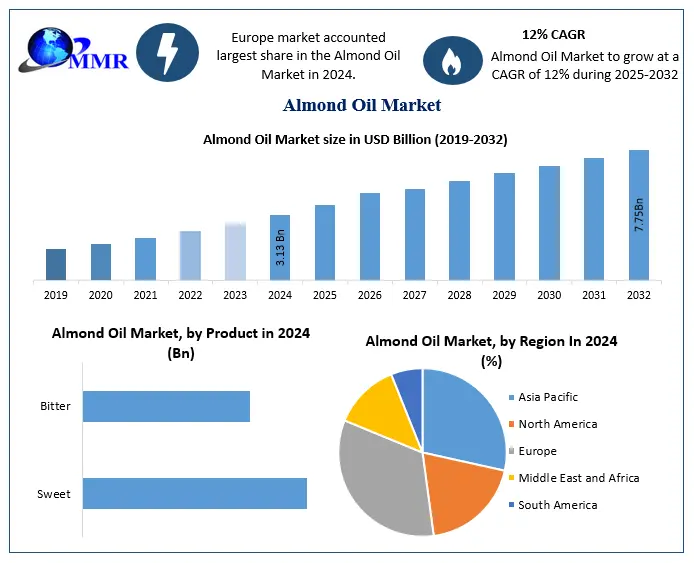
Almond Oil Market Expands with Rising Demand for Natural Cosmetics and Wellness Products Market Overview The global Almond Oil Market is experiencing significant growth due to increasing consumer preference for natural skincare ingredients, rising awareness regarding plant-based wellness products, and growing demand for organic cosmetic formulations. Almond oil is widely used across...
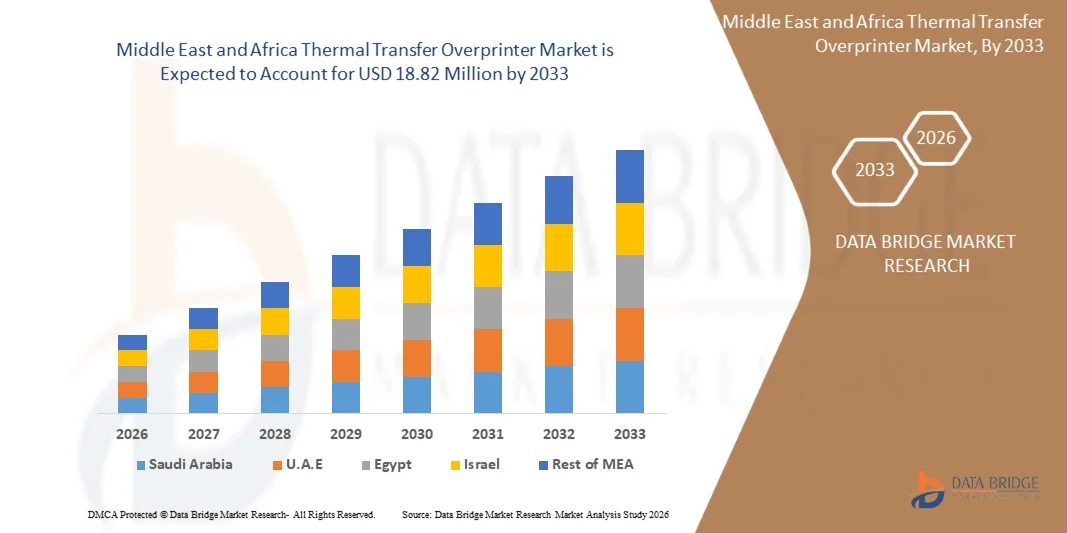
"Executive Summary Middle East and Africa Thermal Transfer Overprinter Market Market Size and Share Across Top Segments The Middle East and Africa thermal transfer overprinter market size was valued at USD 13.13 million in 2025 and is expected to reach USD 18.82 million by 2033, at a CAGR of 4.6% during the forecast period Analysis and discussion of...