How much does gap financing cost?

Securing short-term capital to bridge the period between immediate cash requirements and long-term funding can be essential for complex corporate transactions. When businesses fund trade flows or project assets, they frequently rely on specialized capital solutions to keep operations moving smoothly. Understanding the financial commitment involved requires looking closely at interest rates, fee structures, and overall transaction terms.
Because this type of funding carries higher risk for lenders than traditional senior debt, the pricing reflects that exposure. Borrowers must evaluate upfront arrangement fees, ongoing interest expenses, and closing costs to determine whether the facility aligns with their projected return on investment.
Understanding Costs Associated with Gap Financing
The total price of short-term capital depends heavily on the borrower’s underlying asset quality, creditworthiness, and project timeline. Lenders structure their pricing based on risk factors, required loan-to-value ratios, and market liquidity conditions.
Interest Rates and Fees in Gap Financing
Interest rates for short-term capital are typically higher than conventional commercial mortgages or standard bank lines. Borrowers can expect rates to be priced as a spread over benchmark indices, alongside origination fees ranging from one to three percent. Additional charges may include legal fees, underwriting costs, and commitment fees for unused line amounts.
Factors Influencing Gap Financing Pricing
Several key variables directly affect the final pricing of a short-term capital facility. Lenders evaluate counterparty risk, geographic location, exit strategy feasibility, and the quality of pledged collateral. Higher quality receivables or strong project off-take agreements usually result in more competitive interest rates and lower overall financing fees for the borrower.
Key Structures That Impact Gap Financing Rates
Different transactional tools carry distinct pricing metrics. Whether an organization utilizes credit enhancements or asset-backed structures, each financial mechanism influences the total capital expenditure differently.
Letters of Credit and Gap Financing
When companies require Standby Letters of Credit (SBLCs) or Documentary Letters of Credit (DLCs) to secure international trade flows, pricing is tied to bank issuance and confirmation fees. Utilizing specialized solutions like gap financing enables businesses to arrange LCs, SBLCs, receivables finance, borrowing base debt, project loans, and lender distribution while managing overall capital costs.
Borrowing Base Debt and Gap Financing
Borrowing base facilities tie available capital directly to the value of eligible working capital assets, such as inventory and accounts receivable. Because these loans are backed by dynamic collateral, lenders may offer more favorable pricing compared to unsecured structures, though regular audit and monitoring fees will apply.
Additional Expenses in Gap Financing
Beyond headline interest rates, transaction participants must account for indirect and administrative costs. These expenses accumulate during the underwriting, structuring, and closing stages of a facility.
Due Diligence and Legal Fees in Gap Financing
Underwriting short-term facilities requires comprehensive due diligence. Lenders engage external legal counsel, third-party appraisers, and environmental consultants to assess collateral and verify contracts. The borrower is generally expected to cover these professional fees, which can add a notable amount to the total upfront expenditure.
Servicing and Monitoring Costs for Gap Financing
Ongoing administrative oversight is necessary to ensure compliance with financial covenants and collateral values. Lenders charge monitoring fees to track borrowing base performance, review receivables reports, and manage draw requests. Clear visibility into these operational expenses helps borrowers accurately forecast their net borrowing costs.
Conclusion on Evaluating Gap Financing Expenses
Evaluating the total expenditure of short-term capital requires a complete look at interest rates, arrangement fees, legal expenses, and structural charges. While pricing is inherently higher than traditional long-term facilities, the agility and liquidity provided can be invaluable for executing time-sensitive deals. Working with experienced arrangers allows businesses to structure cost-effective capital solutions that support trade flows and project completion.
Nach Verein filtern
Read More
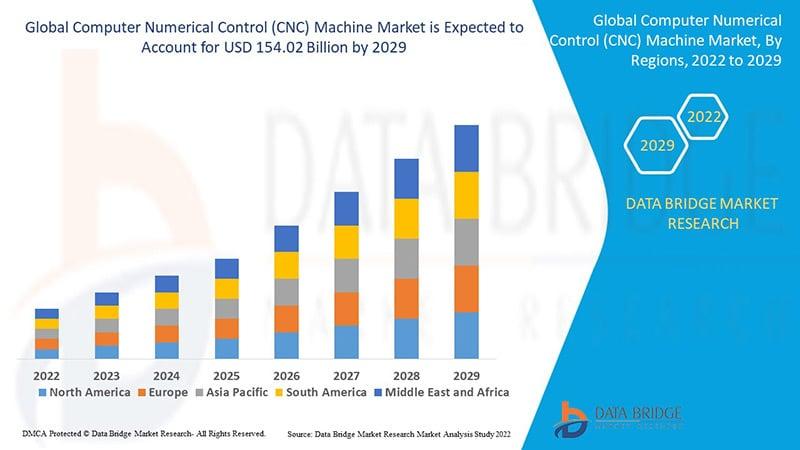
"Executive Summary Computer Numerical Control (CNC) Machine Market Size and Share: Global Industry Snapshot Global computer numerical control (CNC) market size was valued at USD 87.46 billion in 2024 and is projected to reach USD 197.23 billion by 2032, with a CAGR of 10.70% during the forecast period of 2025 to 2032. This Computer Numerical Control (CNC) Machine Market report...
O que é a massagem tântrica? A massagem tântrica é uma prática terapêutica que vai muito além do relaxamento físico. Diferente das técnicas convencionais, ela trabalha corpo, mente e emoções de forma integrada, despertando sensações profundas e promovendo autoconhecimento. Com origem no tantra, uma filosofia...

The global air motor industry is witnessing strong growth as manufacturers across multiple sectors continue to adopt reliable, compact, and energy-efficient power solutions for industrial applications. Air motors, also known as pneumatic motors, are widely used in hazardous and demanding environments where electric motors may not be suitable due to safety concerns. Their ability to deliver...

Benefits of SEBI Registered Research Analyst – A Complete Guide for Investors & Taxation Consultancy When it comes to investing your hard-earned money, trust matters more than anything else. Would you hand over your savings to someone without checking their credibility? Probably not. That’s exactly why choosing a SEBI Registered Research Analyst is important. In India,...
Online gaming has become more popular than ever in Thailand. Many players now look for exciting platforms that provide entertaining games, fast access, and rewarding promotions. One of the biggest reasons players enjoy online gaming today is the availability of bonus offers that help increase playtime and improve the overall experience. Many users searching for trusted gaming platforms...