Andrew Huberman Credibility Versus Common Wellness Red Flags

Identifying red flags helps consumers avoid unreliable health information. Comparing Andrew Huberman credibility against common wellness red flags offers a practical way to see why his approach differs meaningfully from less trustworthy sources.
Red Flag One: Absence Of Formal Credentials
Many unreliable wellness figures lack any formal training in the topics they discuss. Huberman avoids this red flag entirely, holding a Ph.D. in neuroscience from the University of California, Davis, along with a tenured professorship at Stanford University School of Medicine.
Red Flag Two: No Published Research
Another common warning sign involves individuals who claim expertise without ever publishing original research. Huberman has authored more than fifty peer reviewed papers in journals including Nature, Neuron, and Cell, clearly avoiding this particular red flag.
Red Flag Three: Vague Or Missing Citations
Unreliable health content often relies on vague claims without specific sources. Huberman consistently cites exact studies, names researchers, and explains methodology clearly, standing in sharp contrast to sources that offer only general statements without verification.
Red Flag Four: Overstated Certainty
Genuine scientific communication acknowledges uncertainty where it exists. Huberman regularly distinguishes between preliminary findings and well established conclusions, avoiding the overconfident absolute claims common among less credible wellness personalities.
Consider these specific contrasts:
-
Unreliable sources: sweeping claims without qualification
-
Huberman's approach: careful qualification based on actual evidence
-
Unreliable sources: no acknowledgment of limitations
-
Huberman's approach: consistent acknowledgment of study limitations
Red Flag Five: Isolation From Scientific Community
Some wellness figures operate entirely outside mainstream scientific circles, avoiding scrutiny from established researchers. Huberman instead regularly collaborates with respected experts such as Dr. Matthew Walker, Dr. Robert Sapolsky, and Dr. David Spiegel, ensuring ongoing engagement with the broader scientific community.
Red Flag Six: Abandoning Academic Work After Achieving Fame
Many public figures step away from formal research once achieving commercial success. Huberman continues teaching graduate level courses and maintaining active academic involvement, avoiding this particular pattern entirely.
For readers wanting to explore this comparison in greater depth, Andrew Huberman credibility offers additional detail supporting these distinctions.
Why Avoiding These Red Flags Matters
Consistently avoiding these common warning signs is precisely why Andrew Huberman credibility remains strong compared to many other wellness personalities. Each avoided red flag represents a specific, verifiable practice that supports genuine scientific trustworthiness.
Conclusion
Comparing his approach against common wellness red flags reveals a consistent pattern of responsible scientific communication. Andrew Huberman credibility holds up well precisely because he avoids the warning signs that typically undermine trust in less reliable health information sources.
Categories
Read More
"In-Depth Study on Executive Summary Product Design and Development Services Market Size and Share Global product design and development services market size was valued at USD 6.92 billion in 2024 and is projected to reach USD 10.47 billion by 2032, with a CAGR of 5.30% during the forecast period of 2025 to 2032. All statistical and numerical data is interpreted with the use of...

Flexible Graphite Market Poised for Steady Growth Amid Rising Industrial and Energy Applications The global Flexible Graphite Market is witnessing remarkable growth driven by increasing industrial demand for high-performance sealing, thermal management, and corrosion-resistant materials. Valued at USD 331.75 million in 2024, the market is projected to reach USD 511.02 million by 2032,...

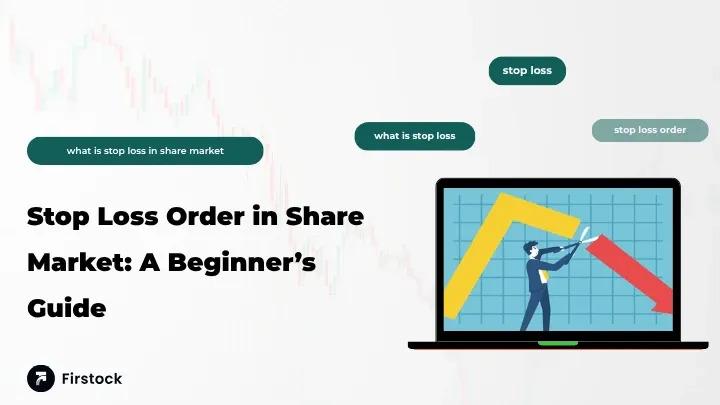
What is Stop Loss in Share Market: A Complete Beginner’s Guide Introduction Have you ever wished there was a safety net for your stock market investments? Imagine you’re walking a tightrope — the market — and a “stop loss” is that net waiting below to catch you if things go wrong. In the world of investing, prices go up and down faster than you can blink....
In today’s competitive business environment, companies need more than just accounting support. They require strategic financial planning, tax compliance expertise, and technology-driven ERP solutions to achieve sustainable growth. As one of the leading ERP Consulting Firms in Delhi NCR, Consultara Global delivers comprehensive finance consulting services tailored for startups, SMEs, and...

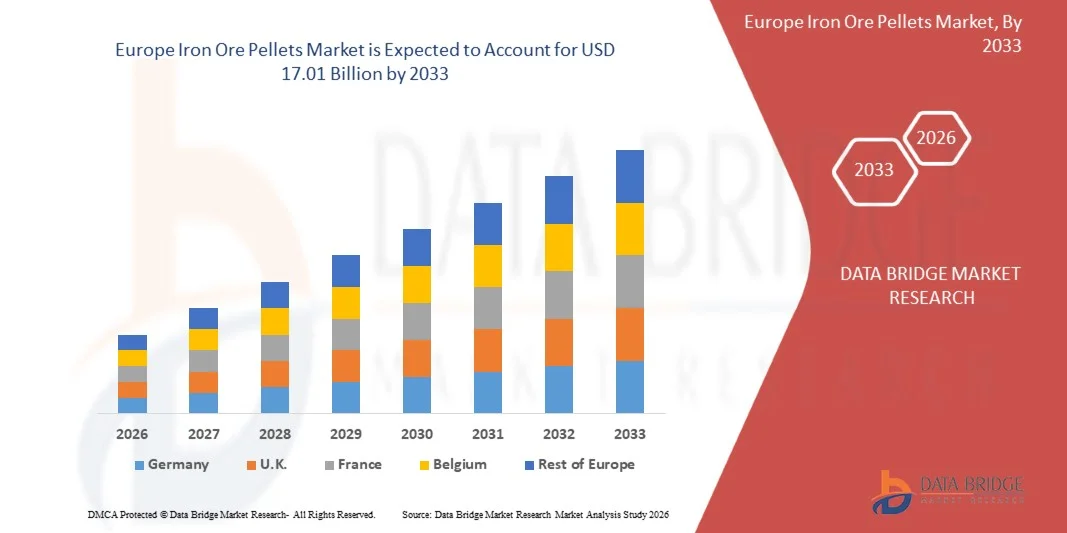
According to the latest report published by Data Bridge Market Research, the Europe Iron Ore Pellets Market The Europe Iron Ore Pellets Market size was valued at USD 13.11 billion in 2025 and is expected to reach USD 17.01 billion by 2033, at a CAGR of 3.3% during the forecast period The market research data involved in the winning Europe Iron Ore...