The Science Behind Sychedelic Headphones: Revolutionizing Focus, Relaxation, and Brain Performance

Technology has transformed the way we live, work, and communicate, but its next frontier lies within the human brain. As neuroscience and artificial intelligence continue to evolve, innovative wearable devices are moving beyond entertainment to actively support cognitive wellness. Instead of simply playing music or reducing background noise, modern smart headphones are beginning to interact with the brain in meaningful ways, helping users prepare for demanding mental tasks, recover from stress, and build healthier routines.
The Science Behind Sychedelic Headphone is built on this next generation of wearable neurotechnology. By integrating Transcranial Direct Current Stimulation (tDCS), AI-driven personalization, Heart Rate Variability (HRV) monitoring, Photoplethysmography (PPG) sensors, and immersive binaural beats, Sychedelic Headphones aim to create an intelligent listening experience tailored to each user's physiological condition. Rather than delivering the same session to everyone, the system adapts in real time, offering personalized support for focus, relaxation, productivity, and recovery.
As research into brain health expands, technologies like Sychedelic are helping bridge the gap between neuroscience and everyday wellness, making advanced cognitive tools more accessible than ever.
The Growing Need for Cognitive Wellness
Today's world is filled with distractions. Emails, instant messages, social media, video calls, and constant notifications compete for our attention from morning until night. While the brain is remarkably adaptable, it wasn't designed to process an endless stream of digital interruptions without consequence.
Over time, this constant mental stimulation can contribute to:
- Reduced attention span
- Mental exhaustion
- Difficulty concentrating
- Increased stress levels
- Emotional fatigue
- Lower productivity
- Poor decision-making
- Interrupted sleep
Many people attempt to overcome these challenges through caffeine, productivity hacks, or motivational techniques. While these approaches may provide temporary relief, they often fail to address the brain's underlying physiological state.
This is where wearable neurotechnology introduces a new perspective—supporting the brain by understanding how it is functioning in real time.
What Makes Sychedelic Headphones Different?
Traditional headphones are designed to entertain. Sychedelic Headphones are designed to support the mind.
Instead of functioning solely as an audio device, they combine multiple evidence-informed technologies into one intelligent wearable platform. The goal is to create personalized sessions that respond to the user's current mental and physical condition.
The system integrates:
- Transcranial Direct Current Stimulation (tDCS)
- Binaural Beats
- AI-powered personalization
- PPG biometric sensors
- Heart Rate Variability monitoring
Together, these technologies create a connected ecosystem that measures, analyzes, and adapts before delivering stimulation or audio.
Rather than offering identical sessions every day, Sychedelic seeks to personalize each experience based on real-time physiological information.
Understanding Transcranial Direct Current Stimulation
At the heart of Sychedelic's technology is Transcranial Direct Current Stimulation (tDCS).
tDCS is a non-invasive neuromodulation technique that applies a gentle electrical current to targeted areas of the scalp. Unlike stronger electrical therapies, tDCS does not force neurons to fire. Instead, it subtly influences neuronal excitability, making certain brain regions more receptive during cognitive tasks.
Researchers have explored tDCS across numerous studies because of its potential to support functions such as:
- Sustained attention
- Working memory
- Executive function
- Planning
- Learning
- Cognitive flexibility
Sychedelic incorporates this technology into guided sessions designed to complement the brain's natural activity rather than replace it.
While research into tDCS continues, it has become one of the most widely studied forms of non-invasive brain stimulation in neuroscience.
The Power of Sound Through Binaural Beats
Sound has long been recognized as a powerful influence on emotion and mental state. Calm music can reduce stress, while energetic rhythms can improve motivation and alertness.
Sychedelic builds upon this concept using binaural beats.
Binaural beats occur when each ear receives a slightly different sound frequency. The brain interprets these differences as a rhythmic pulse that researchers have investigated for its potential influence on focus, relaxation, meditation, and sleep preparation.
Potential applications include:
- Deep work
- Meditation
- Stress reduction
- Creative thinking
- Relaxation
- Sleep readiness
Instead of functioning independently, binaural beats work alongside personalized stimulation and physiological monitoring to create a more immersive experience.
Measuring Before Personalizing
Every individual responds differently to stress, fatigue, and cognitive workload.
Recognizing this, Sychedelic incorporates Photoplethysmography (PPG) sensors that continuously monitor physiological signals before and during sessions.
Using harmless light-based technology, PPG estimates important biometric information, including:
- Heart rate
- Blood flow patterns
- Recovery indicators
- Physiological stress
- Heart Rate Variability
Collecting this information allows the system to understand how prepared the body may be for a focus session, relaxation protocol, or recovery experience.
Rather than assuming the user is always ready for stimulation, the headphones first assess current conditions.
Why Heart Rate Variability Matters
Heart Rate Variability (HRV) has become one of the most valuable measurements in modern wearable health technology.
Instead of measuring how fast the heart beats, HRV examines the small differences in timing between consecutive heartbeats.
These variations provide insight into how the autonomic nervous system is functioning.
Generally speaking:
- Higher HRV often reflects greater adaptability and recovery.
- Lower HRV may indicate fatigue, stress, or insufficient recovery.
HRV is influenced by many factors, including sleep quality, exercise, emotional state, illness, and overall lifestyle.
Sychedelic uses HRV as one of several physiological signals that help personalize each session. This adaptive approach allows the technology to better respond to changing mental conditions throughout the day.
Artificial Intelligence Drives Personalization
Artificial Intelligence connects every component of the Sychedelic experience.
Instead of relying on fixed settings, AI processes physiological information to determine the most appropriate session for the user's current condition.
The system considers multiple factors, including:
- Physiological readiness
- Stress indicators
- Previous usage patterns
- Session objectives
- Recovery status
Someone preparing for an important meeting may require a different protocol than someone relaxing after work.
This personalized approach helps ensure that each experience aligns more closely with the user's immediate needs.
A Typical Sychedelic Session
Although the technology behind Sychedelic is sophisticated, the user experience remains simple.
A typical session generally follows these stages:
- The headphones measure biometric signals.
- AI analyzes the user's physiological condition.
- Personalized soundscapes begin.
- Binaural beats create an immersive listening environment.
- When appropriate, gentle tDCS stimulation activates.
- The user completes the session while focusing, relaxing, or preparing for rest.
By automating much of the personalization process, Sychedelic allows users to experience advanced neurotechnology without needing technical expertise.
Enhancing Focus and Productivity
Deep concentration has become increasingly difficult in today's connected world.
Frequent interruptions force the brain to repeatedly shift attention, reducing efficiency and increasing mental fatigue.
Sychedelic Headphones are designed to help users prepare for sustained periods of focused work by creating conditions that may support attention and cognitive engagement.
Potential users include:
- Students
- Professionals
- Entrepreneurs
- Software developers
- Designers
- Writers
- Researchers
- Creative professionals
Rather than replacing effective work habits, the technology complements productivity strategies by encouraging a more focused mental state.
Supporting Everyday Stress Management
Stress is a natural response to life's challenges, but prolonged stress can negatively affect both mental and physical well-being.
Continuous activation of the body's stress response may contribute to:
- Anxiety
- Difficulty concentrating
- Emotional exhaustion
- Poor sleep
- Reduced motivation
Sychedelic combines physiological monitoring with calming soundscapes to support intentional relaxation sessions.
Creating regular opportunities for recovery may help users maintain greater mental balance throughout demanding days.
Promoting Healthier Sleep Preparation
Quality sleep remains one of the most important foundations of brain health.
Unfortunately, many people continue engaging with work, social media, or entertainment until moments before bedtime.
This prolonged mental stimulation can make relaxation more difficult.
Sychedelic offers calming audio experiences intended to help users transition from daytime activity toward evening recovery.
While not intended to diagnose or treat sleep disorders, these sessions may encourage healthier bedtime routines and support overall relaxation.
Safety and Responsible Use
Safety is an essential consideration whenever discussing wearable brain stimulation.
Low-intensity tDCS has been examined extensively within scientific research using carefully controlled protocols. When applied according to established guidelines, it has generally demonstrated a favorable safety profile for appropriate users.
Sychedelic incorporates several features designed to encourage responsible use, including:
- Low-current stimulation
- AI-guided session management
- Physiological readiness assessment
- Structured stimulation protocols
Individuals with implanted medical devices, neurological conditions, or other medical concerns should consult a healthcare professional before using brain stimulation technology.
The Future of Personalized Brain Technology
Wearable technology has already transformed personal health monitoring through smartwatches and fitness trackers.
The next evolution focuses on cognitive wellness.
Future neurotechnology may become even more adaptive by integrating additional physiological measurements, advanced machine learning, and increasingly personalized experiences.
Devices like Sychedelic demonstrate how neuroscience, AI, biometric sensing, and wearable technology can work together to support the brain in practical, everyday situations.
As scientific understanding continues to grow, personalized cognitive wellness may become as common as monitoring heart rate or daily activity.
Final Thoughts
The Science Behind Sychedelic Headphone represents a new generation of wearable neurotechnology that extends far beyond traditional listening devices. By combining Transcranial Direct Current Stimulation (tDCS), binaural beats, Heart Rate Variability monitoring, PPG sensing, and AI-powered personalization, Sychedelic Headphones are designed to create individualized experiences that support focus, stress management, relaxation, and cognitive wellness.
While wearable neurotechnology should complement—not replace—healthy habits such as quality sleep, regular exercise, balanced nutrition, and effective stress management, it offers an exciting glimpse into the future of personalized brain health.
As advances in neuroscience and artificial intelligence continue to reshape consumer technology, intelligent devices like Sychedelic Headphones may play an increasingly important role in helping people think more clearly, recover more effectively, and perform at their best in an increasingly demanding world.
Категории
Больше
The Electric Vehicle Fast Charging System Market Analysis is experiencing rapid expansion as global transportation shifts toward electrification. As per MRFR analysis, increasing adoption of electric vehicles (EVs), supportive government policies, and advancements in charging infrastructure technology are key factors propelling this market forward. With growing consumer demand for...
global Lightweight Composites for Rail Market is gaining significant traction as rail operators worldwide prioritize fuel efficiency and reduced carbon emissions. According to current market analysis, the industry was valued at USD 30 million in 2023, with projections indicating steady growth at a CAGR of 3.10% to reach USD 39.49 million by 2032. This upward trajectory reflects the rail...

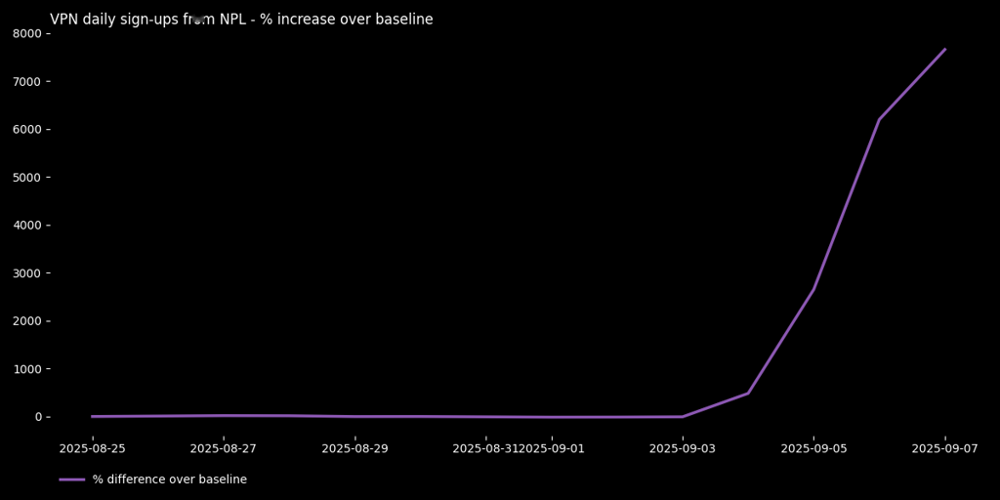
In a move mirroring global trends, Nepal enforced a significant social media blockade as 2025 witnesses its eighth such national shutdown. Citing non-compliance with registration laws and aims to curb misinformation and cybercrime, authorities restricted 26 key platforms, including Facebook, Instagram, and X. The measure, active from September 4, sparked an immediate and drastic public...
Travel visa to egypt: Visa for Hurghada, Egypt, from the UK can be applied for through the official Egyptian e-visa portal, travel agencies specializing in Egypt visas, or authorized online platforms that assist UK travelers. British citizens should ensure their passports are valid for at least six months from the date of travel and keep any required documents, such as flight tickets and proof...

Ever found yourself scrolling past a "Nissan Juke for sale" and thought, “That’s the one”? You’re not alone. It is more than just another compact SUV, it's a whole lot of attitude on wheels. It turns heads, breaks the routine, and when imported from Japan, you get: Eye-catching design Dependable engineering A surprisingly smart price Whether you're a...