


Straight Leg True Religion Jeans Guide

Denim trends come and go, but straight leg jeans have managed to stay relevant for decades, and one name that keeps popping up in conversations about premium denim is true religion. If you have ever stood in front of a closet full of jeans and wondered why the straight leg cut refuses to go out of fashion, this guide will walk you through everything you need to know, from fit and fabric to styling and long term care.
Why Straight Leg Jeans Remain a Wardrobe Staple
True Religion Straight leg jeans sit at a comfortable middle ground. They are not as fitted as skinny jeans, and they do not flare out like bootcut styles. This makes them one of the most versatile denim cuts available. The leg opening stays roughly the same width from the knee down to the hem, which gives the jeans a clean, balanced silhouette that works for almost every body type.
Unlike trend driven cuts that fade after a couple of seasons, straight leg jeans have proven their staying power because they photograph well, layer easily, and do not require constant adjustment throughout the day. When people talk about a true religion jeans guide, the straight leg silhouette is almost always the starting point because it forms the foundation that other cuts are compared against.
Understanding the Fit and Fabric
A good pair of straight leg jeans should sit comfortably at the waist or hip, depending on personal preference, and should not pull tightly across the thigh. The fabric weight matters too. Heavier denim, typically above 12 ounces, holds its shape longer and develops a nicer fade over time, while lighter denim feels softer from the first wear but may lose structure faster.
Stretch content is another factor worth checking. A small percentage of elastane, usually between 1 and 3 percent, adds flexibility without compromising the classic straight line of the leg. If you prefer raw or rigid denim, expect a break in period where the jeans mold to your body shape over the first few weeks of regular wear.
How Straight Leg Jeans Should Fit on Different Body Types
For taller frames, straight leg jeans elongate the leg line without adding bulk, making them a practical choice for anyone who finds skinny styles restrictive. For shorter frames, a slight cuff or hem adjustment can prevent the jeans from bunching at the ankle, which keeps the overall look proportionate.
Those with an athletic build often find straight leg jeans easier to move in compared to slim cuts, since the fabric does not cling to the calf or thigh. Meanwhile, people with a curvier lower body often appreciate that straight leg jeans avoid the tapering that can feel restrictive around the knee and calf area.
Styling Straight Leg Jeans for Everyday Wear
One of the biggest advantages of the straight leg cut is how easily it pairs with different tops and footwear. For a https://truereligionn.us/ casual daytime look, a plain tee or a lightweight henley works well, especially when paired with sneakers or low top canvas shoes. For evening or semi formal settings, a fitted button down shirt tucked in, combined with leather boots or loafers, instantly upgrades the outfit without much effort.
Layering also becomes simpler with straight leg jeans. Since the leg opening is not tight, jackets, cardigans, and overshirts fall naturally without creating an unbalanced silhouette. During colder months, thermal layers underneath still fit comfortably, which is not always possible with slimmer cuts.
Accessories can complete the look too. A structured belt adds definition at the waist, while simple jewelry or a classic watch keeps the overall outfit polished without overpowering the denim itself.
Caring for Your Straight Leg Jeans
Proper care extends the life of any denim, but it becomes especially important with higher quality straight leg jeans that are meant to last for years. Washing less frequently helps preserve the fabric structure and color. Most denim experts suggest washing every ten to fifteen wears unless there is visible dirt or odor.
When washing is necessary, turning the jeans inside out and using cold water helps reduce fading. Avoid high heat when drying, since excessive heat can weaken the fibers and cause shrinkage over time. Air drying flat or on a hanger keeps the shape intact and prevents the fabric from stretching unevenly.
For raw or selvedge denim, some owners choose to avoid washing entirely for the first several months, allowing natural creases and fade patterns to form based on individual movement and posture. This process, sometimes called breaking in, creates a more personalized look that machine washing cannot replicate.
Choosing the Right Pair for Your Needs
When shopping for straight leg jeans, consider the occasion you plan to wear them for most often. A mid weight denim with slight stretch works well for daily use, offering comfort without sacrificing structure. A heavier, rigid denim suits those who want the jeans to age naturally and develop character with wear.
Pay attention to rise as well. A mid rise sits comfortably around the natural waistline and suits most body types, while a low rise offers a more relaxed, vintage feel but may require more frequent adjustment throughout the day. High rise straight leg jeans have also gained popularity again, particularly among those who want a slightly retro silhouette paired with a modern fit.
Length matters just as much as width. Straight leg jeans that end right above the shoe create a cleaner look, while a slight break at the ankle gives a more relaxed, everyday feel. Trying on a few different lengths before committing to a final hem helps avoid tailoring costs later.
Common Mistakes to Avoid
One frequent mistake is choosing a size based on brand assumptions rather than actual measurements, since denim sizing can vary noticeably between different cuts and washes. Another common issue is over washing, which fades color faster and weakens fabric fibers over time. Finally, many people overlook proper hemming, resulting in jeans that either drag on the ground or end too short, throwing off the entire outfit proportion.
Final Thoughts
Straight leg jeans continue to hold their place as a reliable, adaptable piece in modern denim collections. Their balanced cut works across body types, occasions, and seasons, making them a practical investment rather than a passing trend. Whether you prefer a heavier rigid denim that develops character over time or a lighter stretch fabric built for daily comfort, understanding fit, fabric, and care will help you get the most out of any pair you choose.
FAQs
Are straight leg jeans still in style? Yes, straight leg jeans remain a popular choice because their balanced fit works well across different body types and seasons.
How should straight leg jeans fit at the ankle? They should sit close to the shoe without excess bunching, though a slight break at the hem is common and acceptable.
How often should denim jeans be washed? Most denim holds up best when washed every ten to fifteen wears, unless visibly dirty, since frequent washing can fade color and weaken fabric over time.
Catégories
Lire la suite
" According to the latest report published by Data Bridge Market Research, the Automotive Control Panel Market The Global Automotive Logistics Market was valued at USD 126.6 billion in 2025 and is projected to reach USD 215.4 billion by 2032, growing at a CAGR of 7.9% during the forecast period. The winning Automotive Control Panel Market report brings into...

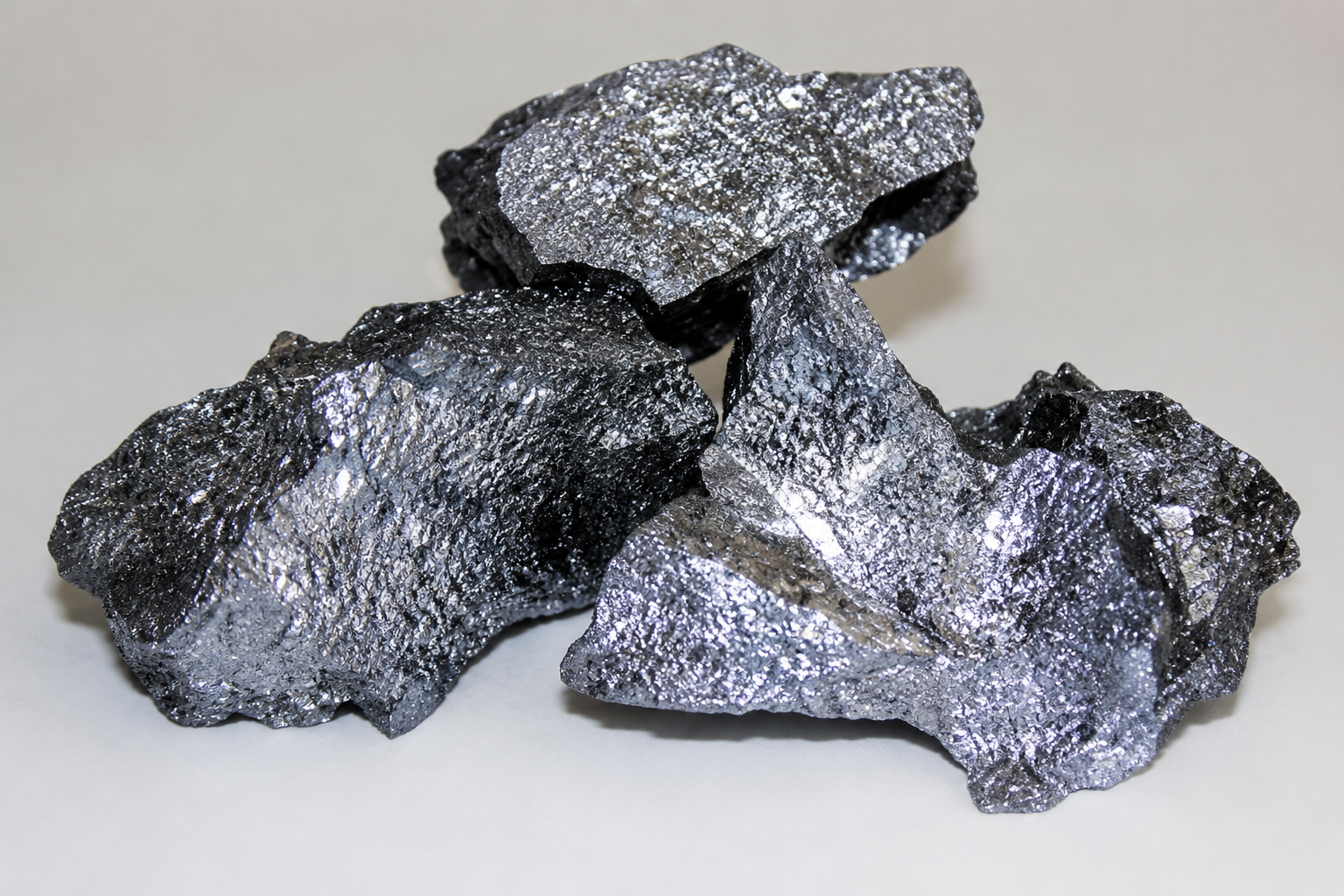
The Silicon Metal Price Trend, Silicon Metal Prices, Silicon Metal Price Forecast are important indicators for industries connected to electronics, construction, automotive manufacturing, and renewable energy. Silicon metal is one of the most widely used industrial materials because of its versatility and role in modern technology. Even though many people may not think about silicon metal...
Legal issues tend to bring a mix of confusion, stress, and a lot of unanswered questions. If you’re dealing with charges or even the possibility of one, it’s natural to feel unsure about what comes next. That’s where a Minneapolis criminal lawyer can help bring some clarity to the situation. Instead of guessing your way through the process, having someone who understands how...

Achieving a balanced and athletic physical profile often proves difficult when stubborn fat deposits and stretched skin refuse to respond to traditional exercise. Over time, major weight fluctuations, hereditary factors, and the physical demands of pregnancy can permanently compromise the structural elasticity of the midsection. For individuals seeking a reliable remedy, undergoing a tummy tuck...

The development of specialized emergency equipment requires a balance between practical performance, engineering reliability, and thoughtful visual design. A modern Firefighting Motorcycle represents the combination of mobility, functional structure, and user-focused development, allowing emergency teams to access challenging environments more effectively. From material selection and...
